In brief
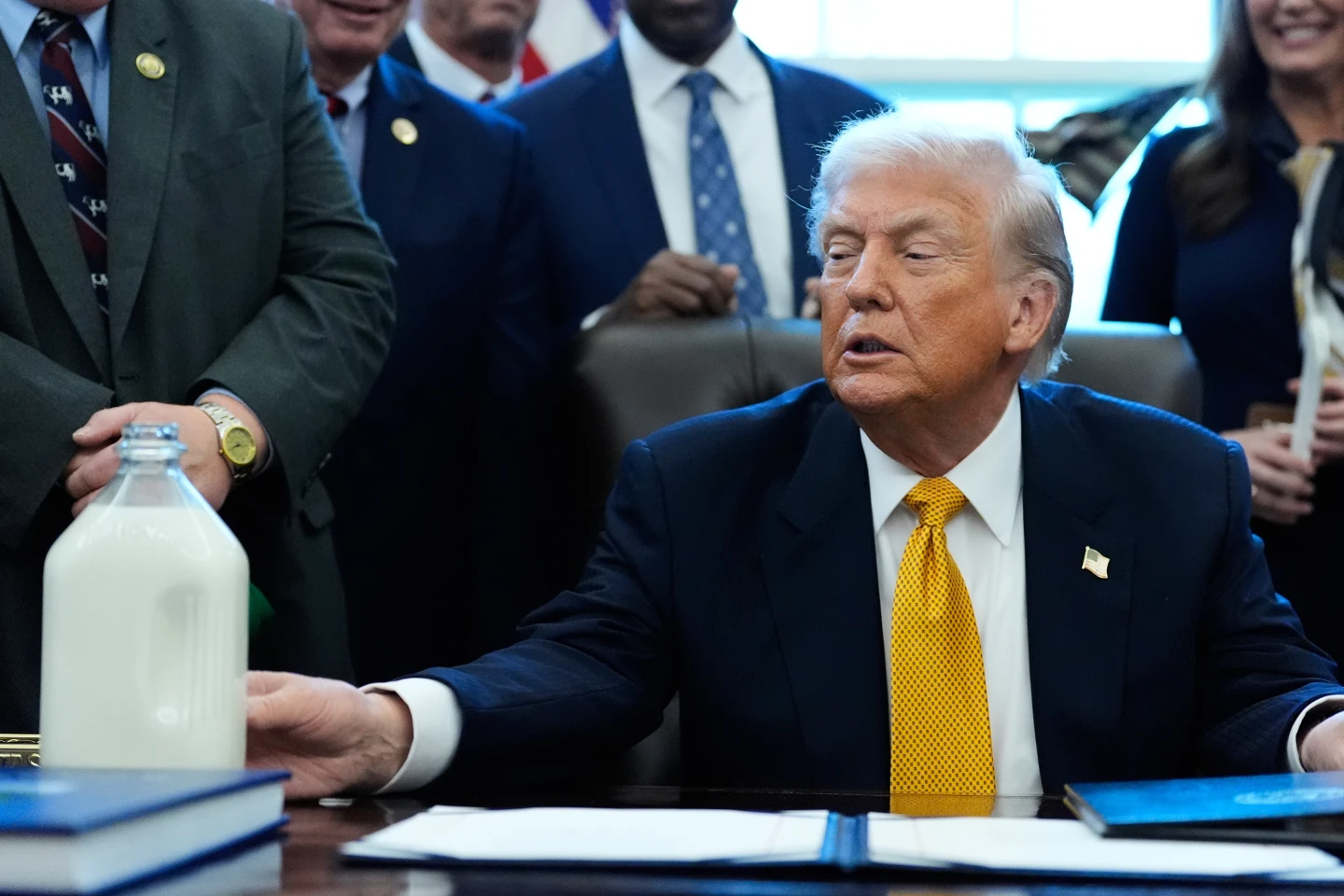
President Trump signed the Whole Milk for Healthy Kids Act, allowing school cafeterias to serve whole milk again, reversing Obama-era restrictions. The new law aligns with newly released Dietary Guidelines for Americans which advocate for the inclusion of full-fat dairy in children's diets. This decision impacts around 30 million students and aims to address nutrition preferences and health concerns regarding obesity in children.
The legislation to reinstate whole milk in schools was celebrated by lawmakers and dairy producers after it was signed by President Trump. The Whole Milk for Healthy Kids Act, allowing both whole and 2% milk, comes after days following the new Dietary Guidelines which advocate for the consumption of full-fat dairy.
The move is designed to benefit roughly 30 million children enrolled in the National School Lunch Program, offering them a wider variety of milk options compared to the limitations of past policies initiated during the Obama administration.
Trump, speaking at the signing ceremony, declared, 'Whether you’re a Democrat or a Republican, whole milk is a great thing.' Nutrition experts have stated that the inclusion of whole milk may have potential benefits in combating childhood obesity, as some studies indicate children who consume whole milk are less likely to develop weight problems.
Schools will now be required to provide a variety of milk alternatives to meet dietary needs, ensuring children receive nutritional options that align with health guidelines. This includes flavored and unflavored options, accommodating children with dietary restrictions under relaxed rules about parental notes.
As schools begin the transition, nutrition and dairy industry representatives have indicated that it may take time to adjust to the new supply needs. Advocates argue that whole milk provides essential nutrients and is more favored by children, addressing concerns over food waste associated with lower-fat options.
The initiative aims not only to satisfy dietary preferences but also support the dairy industry struggling under prior regulations. Health officials are optimistic this change will enhance children’s dietary habits while keeping in line with the latest health recommendations.