WASHINGTON (AP) — The White House said Monday that a Navy admiral acted “within his authority and the law” when he ordered a second, follow-up strike on an alleged drug boat in the Caribbean Sea during a September U.S. military operation that has come under bipartisan scrutiny.
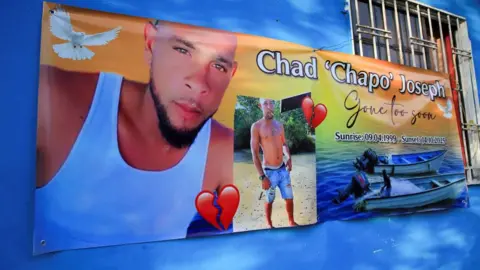
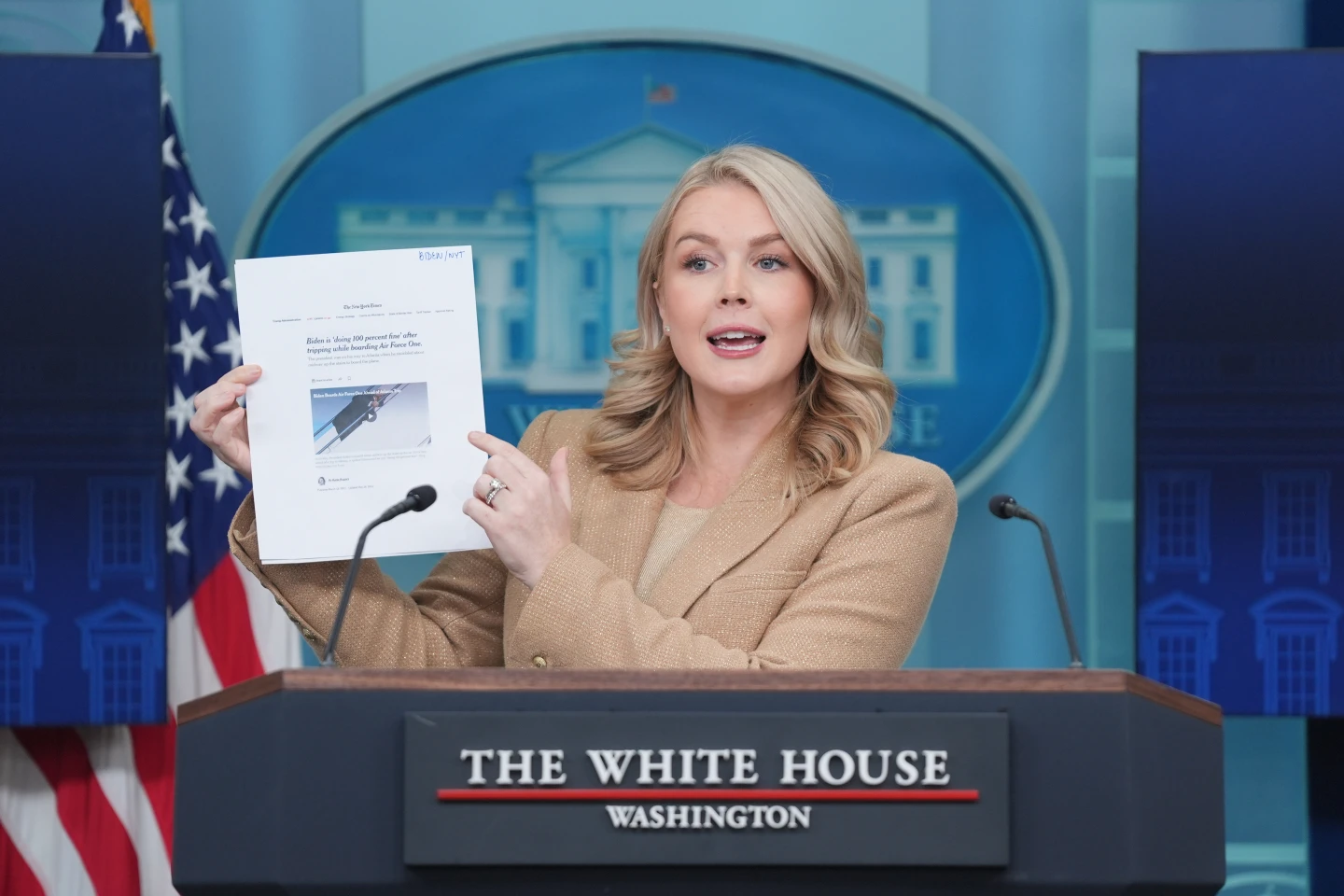
White House press secretary Karoline Leavitt provided justification for the September 2 strike after bipartisan lawmakers expressed support for congressional reviews surrounding U.S. military strikes against vessels suspected of smuggling drugs, following a report that Defense Secretary Pete Hegseth verbally ordered a second strike that resulted in the deaths of survivors onboard.
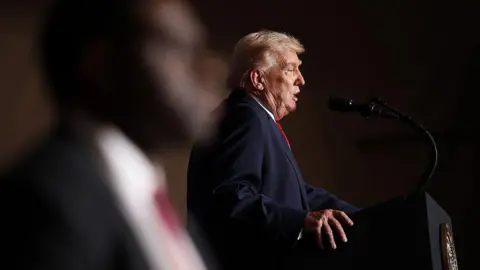
Leavitt did not dispute a Washington Post report stating there were survivors after the initial strike. Her defense followed remarks from former President Donald Trump, who stated he “wouldn’t have wanted that — not a second strike” when asked about the incident.
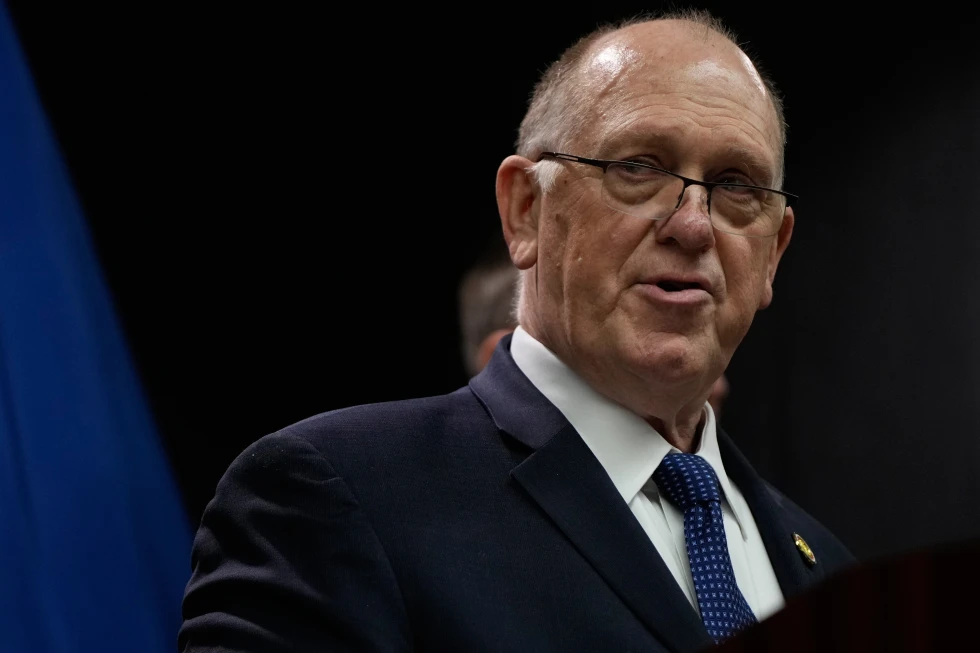
“Secretary Hegseth authorized Admiral Bradley to conduct these kinetic strikes,” explained Leavitt, noting that Admiral Frank Bradley was the commander of Joint Special Operations Command at the time. “Admiral Bradley acted well within his authority and directed the engagement to ensure the boat was destroyed and the threat to the United States eliminated.”
Lawmakers raised concerns about the legality of the action, with Senator Tim Kaine suggesting it could rise to the level of a war crime if true. Rep. Mike Turner echoed the uncertainty regarding what occurred during the follow-up strike and emphasized that if such incidents happen, they warrant serious consequences.
In defense of Hegseth, Trump stated he believed the defense secretary when he claimed he had not ordered the deaths of those survivors. After the report came out, Hegseth took to social media to denounce it as “fake news,” asserting that U.S. operations in the Caribbean comply with both U.S. law and international law.
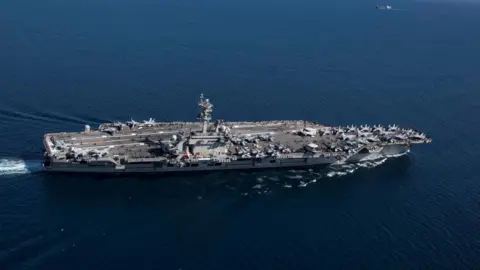
Leavitt also indicated that President Trump would convene his national security team to discuss ongoing operations in the Caribbean and potential steps against Venezuela, as the administration claims the strikes target drug cartels associated with Venezuelan President Nicolás Maduro.
Furthermore, the Venezuelan National Assembly announced its own investigation into the U.S. military's conduct in the region, marking the first acknowledgment from a Maduro government official of Venezuelans being killed in these operations.