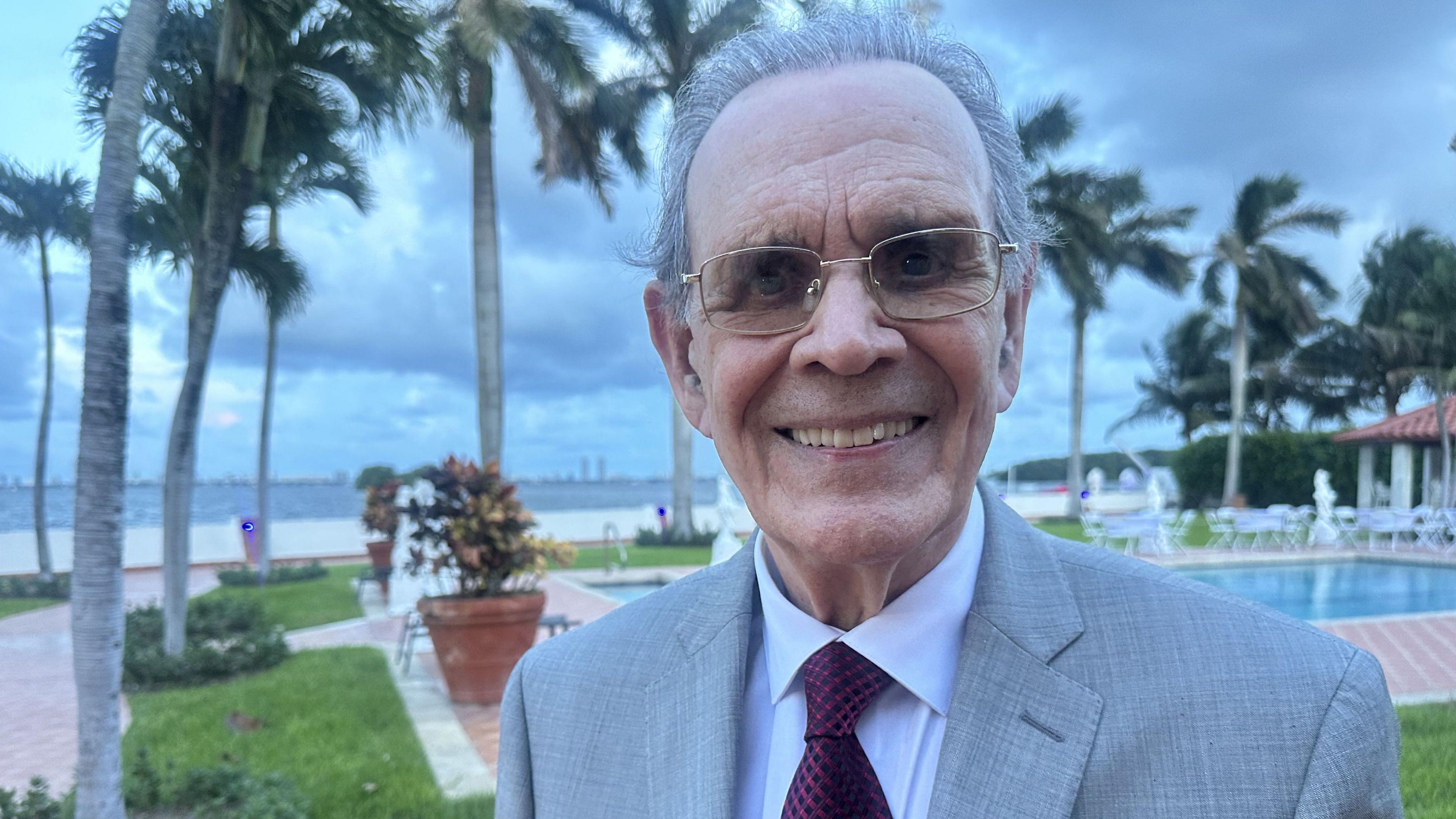
On a twinkling Miami night, a group of high‑profile Cuban‑American families gathered at a designer home overlooking Biscayne Bay to outline a vision for a Cuba after the Castro regime collapses.
Led by CANCC president Juan Omar Sixto, the Dallasers drafted a blueprint called the "day after," including plans for a Cuban stock exchange, the reopening of energy infrastructure and a new food‑security grid.
Sixto’s glittering circle believes that the moment of political upheaval is close, and they would step into Havana once the regime falls, bringing capital, technology and expertise.
Washington has long supported the exile community’s pressure on the island, with recent accusations that the 19‑year‑old US embargo and fuel blockade are paving the way for a new capitalist reinvention.
Critics say the plans are premature and unrealistic; none can foresee whether the fall will be military, negotiated or politically negotiated or whether the exiles will be welcomed into a country bracing for massive humanitarian disruption.
In the meantime, Cuba’s leadership has declared 176 liberalisation measures, but officials say they are aimed at defending socialism, not inviting foreign investors.
Experts highlight that the exiles’ focus on land titles and compensation sets up a complex snare; Cuba’s revolutionary reforms do not recognise private ownership of large fields or compare them favourably with the private sector.
While the Cuban government rejects the exile narrative, the community insists that the failure and eventual fall of the regime will allow them to regroup and potentially resurrect Cuba’s once‑thriving agricultural and industrial sectors.
Whether the exiles’ plans can be translated into actionable policy on the island remains uncertain as Cuban‑American hopes clash with economic realities and the uncertainties of political change.”