In brief
In a year marked by bold moves and increasingly authoritarian rhetoric, Donald Trump's presidency is perceived as a pivotal force in reshaping global order, reminiscent of no other leader since WWII. His claims over strategic territories like Greenland have raised alarms among allies and raised questions about the future of international law and alliances.
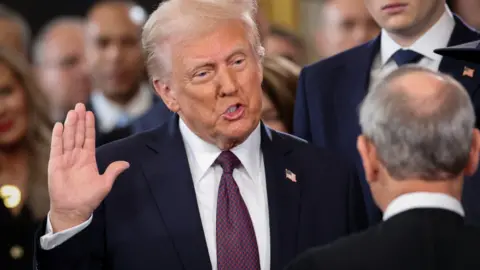
Nothing will stand in our way, President Donald Trump declared, to thunderous applause, during his inauguration speech last year, signaling a new era in U.S. foreign policy.
With bold references to concepts like manifest destiny, Trump is now focusing on Greenland as part of a controversial agenda that many believe threatens the longstanding global order established post-World War II.
Historically, U.S. involvement in overseas affairs may have been questionable, yet no president has so directly threatened the territory of a long-time ally, raising tensions and fears of possible aggression.
As notable figures like French President Emmanuel Macron voice concerns over a world “without rules,” there is escalating anxiety about the implications of Trump's actions not only for American allies but for global stability as a whole.
In Europe, leaders grapple with how to respond—attempting a balancing act between addressing Trump's unpredictable maneuvers and preserving diplomatic relations.
This dynamic represents a significant shift in international diplomacy, where traditional alliances are tested by aggressive unilateral declarations and a focus on transactional politics over cooperative approaches.
As Trump embraces an America-first approach, the world watches closely, aware that the implications of his presidency may resonate for years to come.