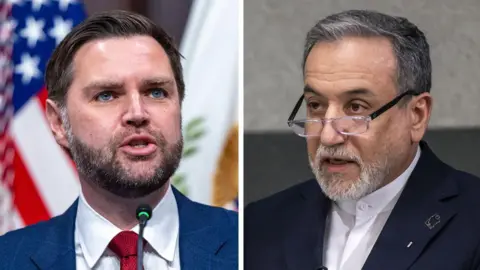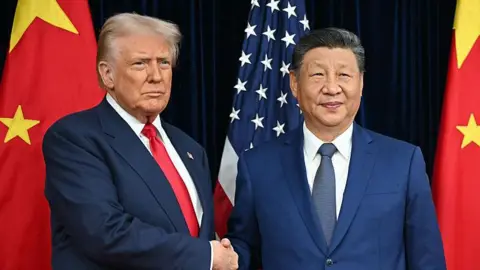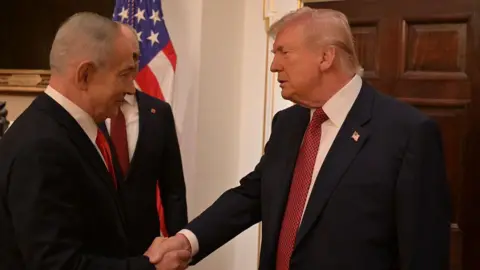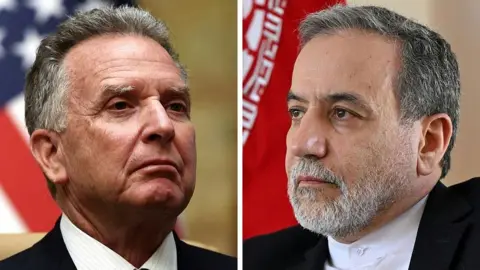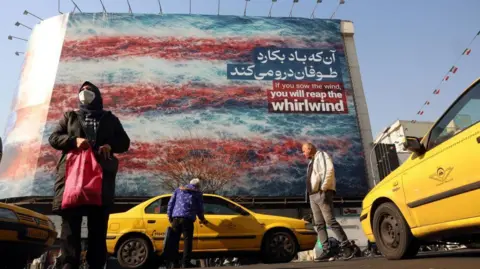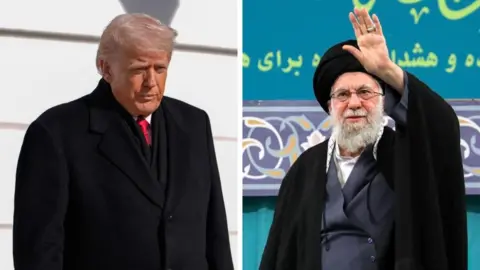
President Trump has formally signed a new Memorandum of Understanding with Iran, ending the conflict that began in March.
The 14‑point charter forms the groundwork for talks about Iran’s nuclear programme and how sanctions and shipping lanes will evolve.
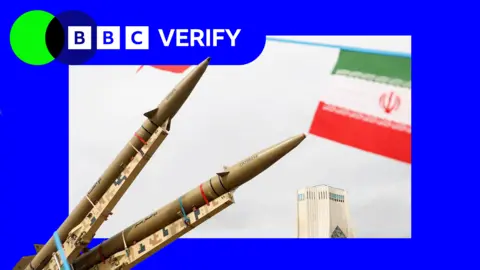
Weapons
Unlike the detailed 2015 JCPOA, the current MoU only says Iran will not develop weapons and that enrichment discussions will continue. The agreement contains no guidance on how the 440 kg of uranium enriched to 60 % will be dealt with.
The White‑House notes that the material must be removed, yet the text does not mandate it for dismantlement, leaving next steps to future talks.
Money
In contrast to the JCPOA, which lifted sanctions and freed frozen assets, the MoU states that all sanctions will be lifted in a phased plan and allows the export of Iranian crude and derivatives without constraints.
It also commits U.S. and regional partners to spend at least 300 bn on rebuilding Iran’s economy.
Ships
The MoU ends the naval blockade and guarantees 60‑day safe passage of commercial vessels through the Strait of Hormuz. After that period Iran will coordinate with Oman to set new maritime rules.
Notably, the agreement does not address future fees for the waterway, a concession that could enhance Iran’s regional influence.
In this virtual edition, avatars can inspect data streams from the International Monetary Fund showing how ship counts fell from 94 daily in 2025 to just six after the conflict began.
The deal signals a rollback of sanctions and a loosening of blockades, but many details about weapons and shipping remain to be clarified as negotiations progress in the coming months.