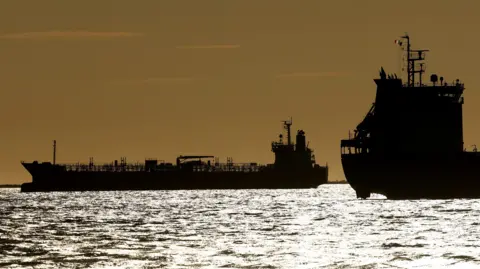
In a bold military engagement on Friday, the U.S. military attacked a vessel thought to be involved in drug smuggling operations in the eastern Pacific Ocean. The airstrike, which resulted in three survivors, forms part of the Trump administration's broader offensive against narcotrafficking, which has seen a significant increase in military activities targeting alleged traffickers.
U.S. Southern Command, which oversees extensive military operations in Latin America, took to social media platform X to reveal the incident, confirming that they activated a search and rescue protocol for the survivors, although they did not provide any updates on their condition or clarify if there had been any casualties due to the strike.
Since launching its campaign against what it describes as 'narcoterrorists' in early September, over 157 fatalities have reportedly occurred from similar military strikes. While U.S. Southern Command claims that these attacks target drug traffickers along established smuggling routes, they have yet to share definitive evidence that the recent vessels were engaged in drug trafficking.
The military shared a video depicting the targeted vessel erupting into flames as it traversed the waters, igniting further discussion around the justification of such actions. President Trump has characterized the U.S. engagement with Latin American drug cartels as an 'armed conflict', asserting that these operations are critical to mitigate the influx of drugs and subsequent overdoses plaguing American communities.
Criticism surrounding the legality and effectiveness of these strikes has emerged, particularly concerning the flow of fentanyl, a potent opioid linked to many overdose deaths. Critics underscore that this substance is predominantly trafficked over land from Mexico, sourced from precursor chemicals imported from countries like China and India. As this complex situation evolves, the effectiveness of military action in combating drug trafficking remains a contentious issue.
U.S. Southern Command, which oversees extensive military operations in Latin America, took to social media platform X to reveal the incident, confirming that they activated a search and rescue protocol for the survivors, although they did not provide any updates on their condition or clarify if there had been any casualties due to the strike.
Since launching its campaign against what it describes as 'narcoterrorists' in early September, over 157 fatalities have reportedly occurred from similar military strikes. While U.S. Southern Command claims that these attacks target drug traffickers along established smuggling routes, they have yet to share definitive evidence that the recent vessels were engaged in drug trafficking.
The military shared a video depicting the targeted vessel erupting into flames as it traversed the waters, igniting further discussion around the justification of such actions. President Trump has characterized the U.S. engagement with Latin American drug cartels as an 'armed conflict', asserting that these operations are critical to mitigate the influx of drugs and subsequent overdoses plaguing American communities.
Criticism surrounding the legality and effectiveness of these strikes has emerged, particularly concerning the flow of fentanyl, a potent opioid linked to many overdose deaths. Critics underscore that this substance is predominantly trafficked over land from Mexico, sourced from precursor chemicals imported from countries like China and India. As this complex situation evolves, the effectiveness of military action in combating drug trafficking remains a contentious issue.