NEW YORK — The Trump administration's immigration enforcement campaign, which began a year ago, has significantly impacted pro-Palestinian activists at U.S. colleges. The campaign swept up many individuals, with varying outcomes in their fights against deportation.
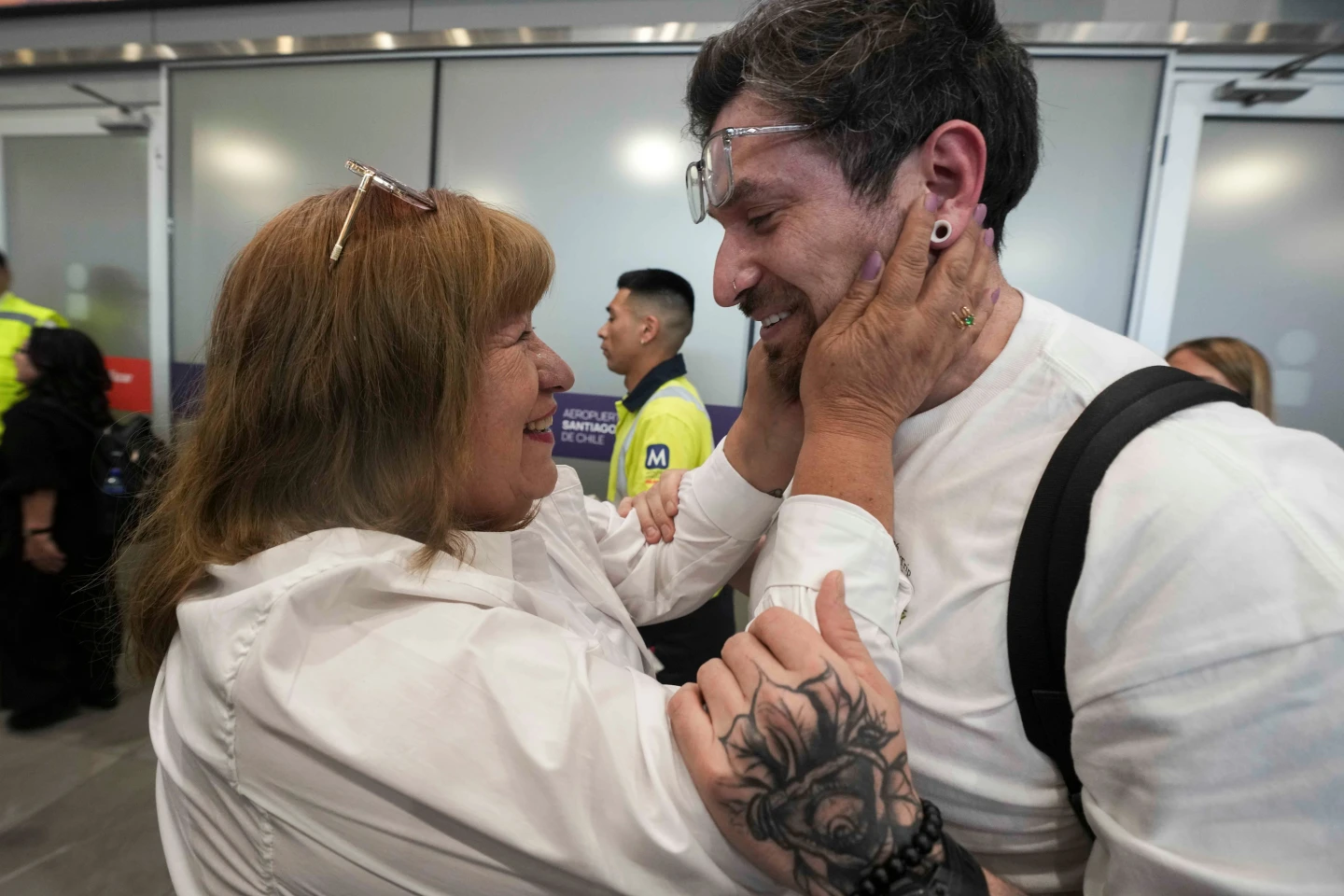
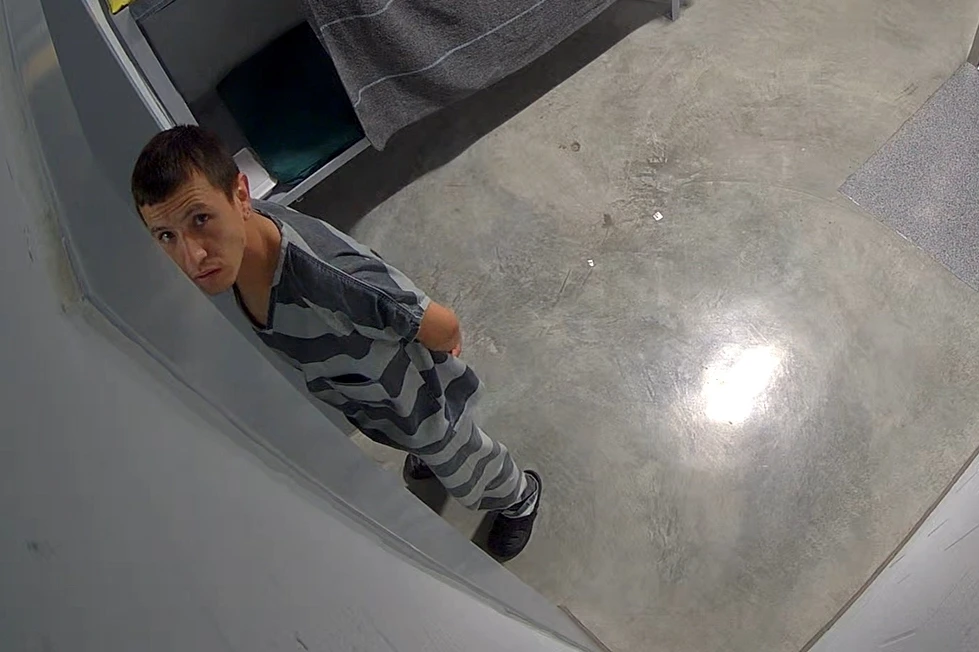
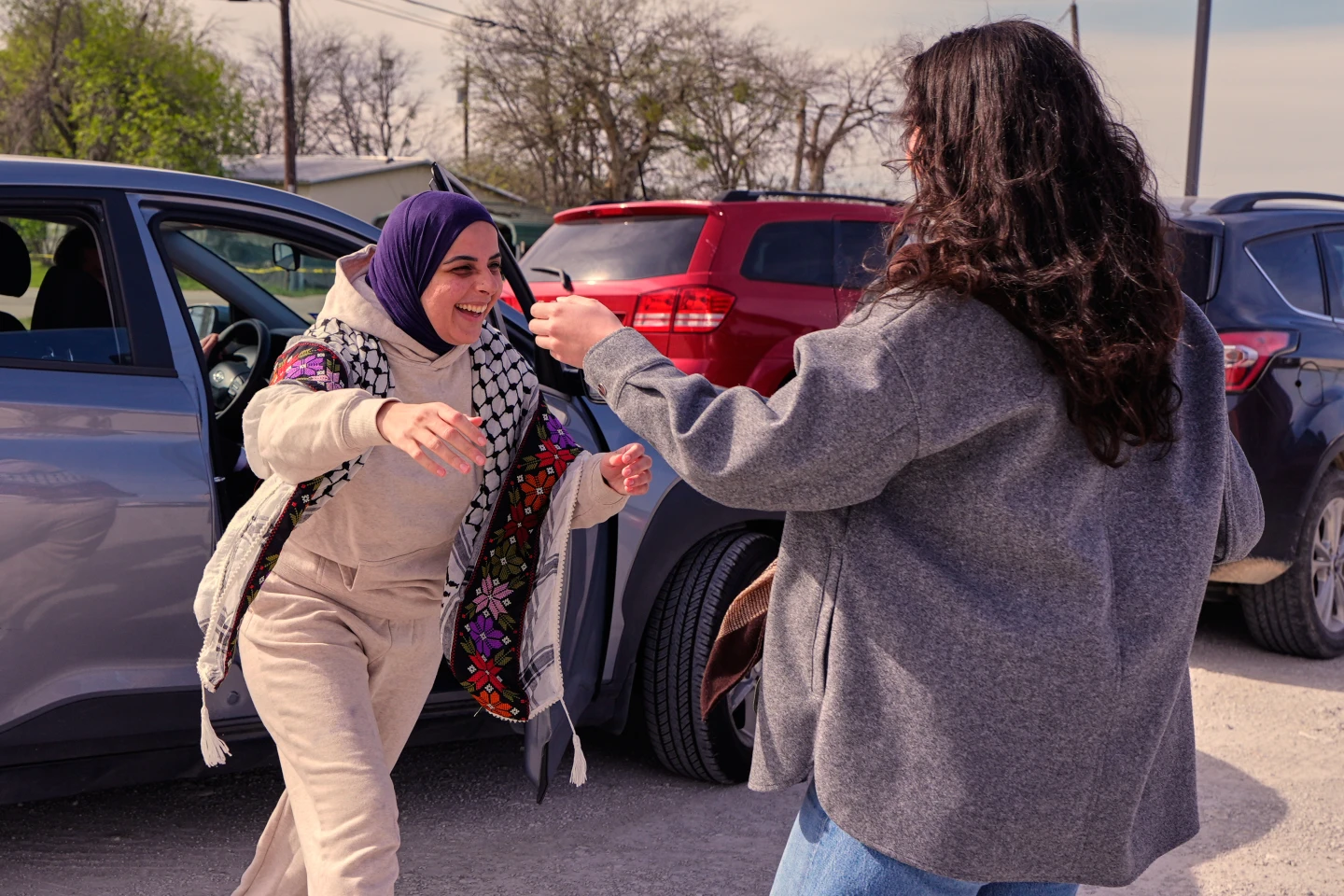
Leqaa Kordia, a 33-year-old Palestinian and daughter of an American citizen, is one of the latest to be released after a prolonged battle that included detainment since her arrest during a check-in in March 2025. Government officials had scrutinized her participation in protests they labeled as 'pro-Hamas.' Her case remains unresolved, with claims of an overstayed visa still hanging over her head.
Mahmoud Khalil, another notable activist who was detained, spent 104 days in custody, missing the birth of his child before being released on June 2025. The U.S. government is still pursuing his deportation, arguing that his involvement in protests fundamentally undermined his legal presence in the country.
Federal authorities have similarly targeted Badar Khan Suri, a Georgetown scholar arrested at home shortly after teaching a class on minority rights. His connections to Gaza and alleged propagation of Hamas ideologies contribute to persistent legal challenges despite being released on bond.
Rümeysa Öztürk, a Tufts University student, was taken into custody for her outspoken criticism of the university’s policies related to Palestine and was recently able to return to her studies after a legal ruling.
As more individuals emerge from these tumultuous legal journeys, the implications continue to unfold, raising questions about the limits of free speech rights in academia and the broader political motivations behind these detentions.