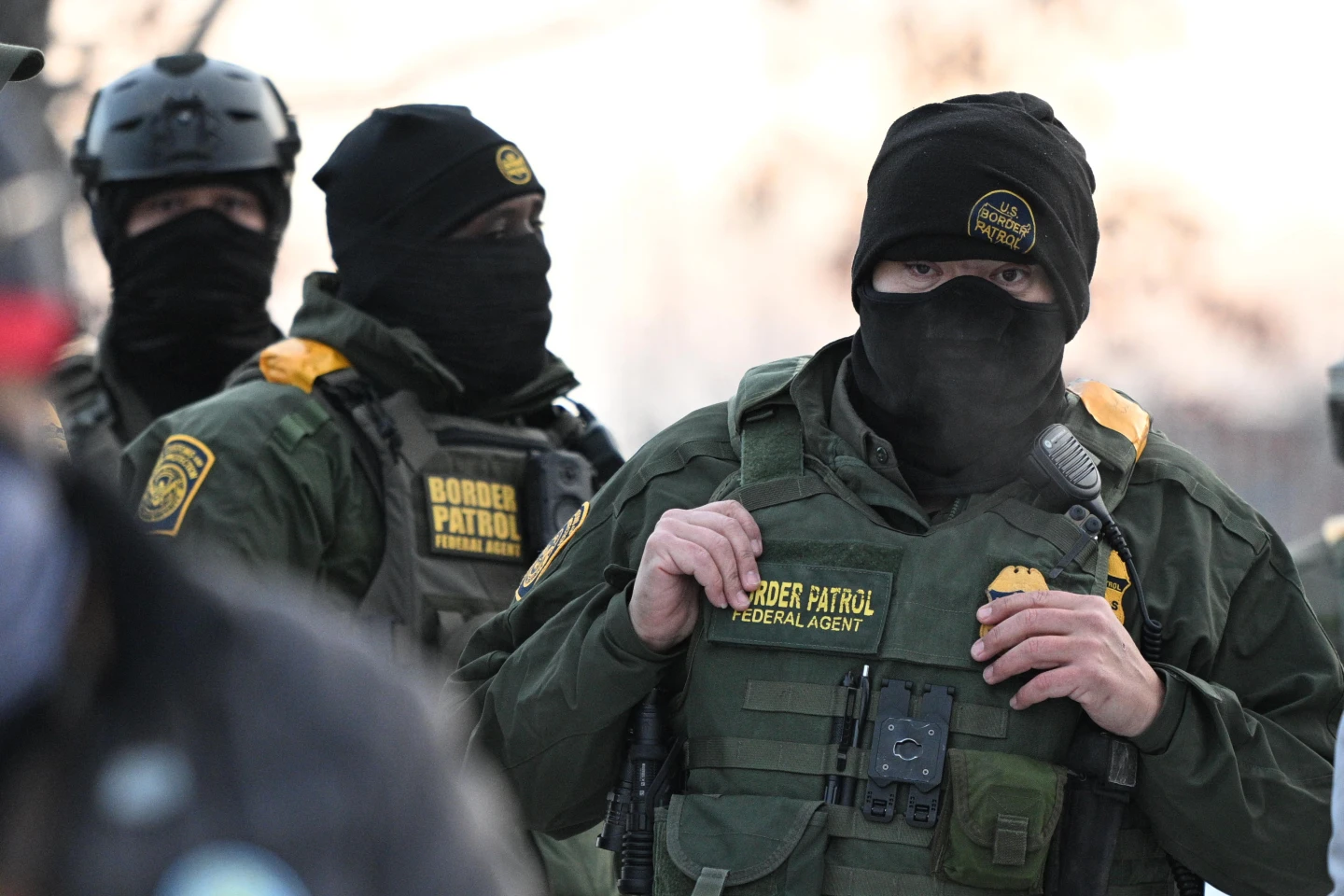
Proposals to prohibit federal immigration agents from masking their faces have gained new life in several states — largely spurred by a recent court ruling that paused California’s pioneering legislation.
A month after California's law was halted, Washington state’s Democratic governor Bob Ferguson is poised to enact a measure on Thursday that restricts facial coverings for law enforcement personnel, possibly setting a trend for others to follow.
Similar anti-masking initiatives have been approved in Oregon and Virginia, with additional proposals moving through chambers in Hawaii, Maryland, and Vermont. These laws oppose tactics utilized by former President Trump’s administration, where some federal agents wore masks during large deportation sweeps, which has drawn criticism for encouraging aggressive actions.
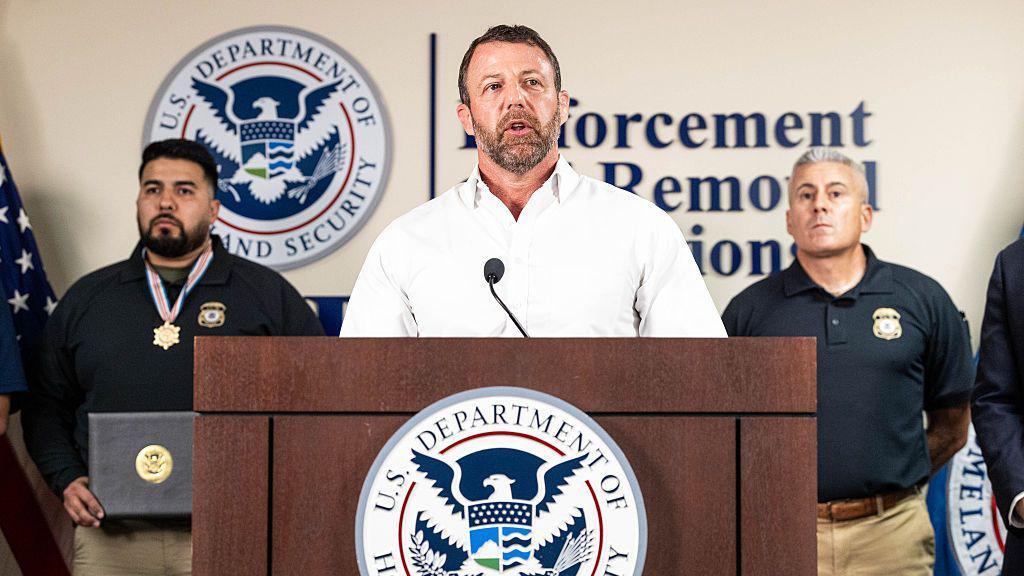
The Department of Homeland Security blasted the new Washington state measure as irresponsible, reckless and dangerous, asserting that they will not comply with what they view as an unconstitutional ban.
The legal implications surrounding masking laws have become a focal point. A federal judge had previously ruled that California's ban discriminated against federal agents while excluding state law enforcement, favoring Trump's administration. This ruling, however, has paved the way for further attempts from other states.
The proposed new legislation in Washington includes coverings bans for all law enforcement agencies — ensuring compliance from both federal and local officials. This strategic move seeks to eliminate claims of discrimination against specific government employees.
“This California ruling, in many respects, acted as a green light for states contemplating similar actions,” stated Bridget Lavender, an attorney at the University of Wisconsin Law School.
The push against masking comes on the heels of public concerns about transparency and accountability in police actions. Despite being infrequently used in law enforcement, individual officers have been given the discretion to wear masks under the previous administration citing threats against their safety.
Law enforcement officials in California began pursuing restrictions after witnessing federal agents in masks during immigration raids in Los Angeles. Governor Gavin Newsom's established ban in September 2021 became the first of its kind, highlighting considerable concerns about identity obscured actions.
As of now, more than thirty states are examining similar measures, including another attempt from California lawmakers to reintroduce restrictions specifically aimed at state law enforcement.
Enforcement of these new laws varies, as Washington's approach entails the restriction of face-covering during public interactions while exempting undercover operations and medical purposes.
Republican lawmakers challenge the ban, questioning its fairness when protesters often remain masked without repercussions. They argue that imposing such limits solely on police could lead to dangerous encounters, especially if violent demonstrations arise.
As discussions linger, the debate over who is allowed to mask up remains heated, prompting lawmakers and citizens alike to rethink the balance between public safety and individual rights.