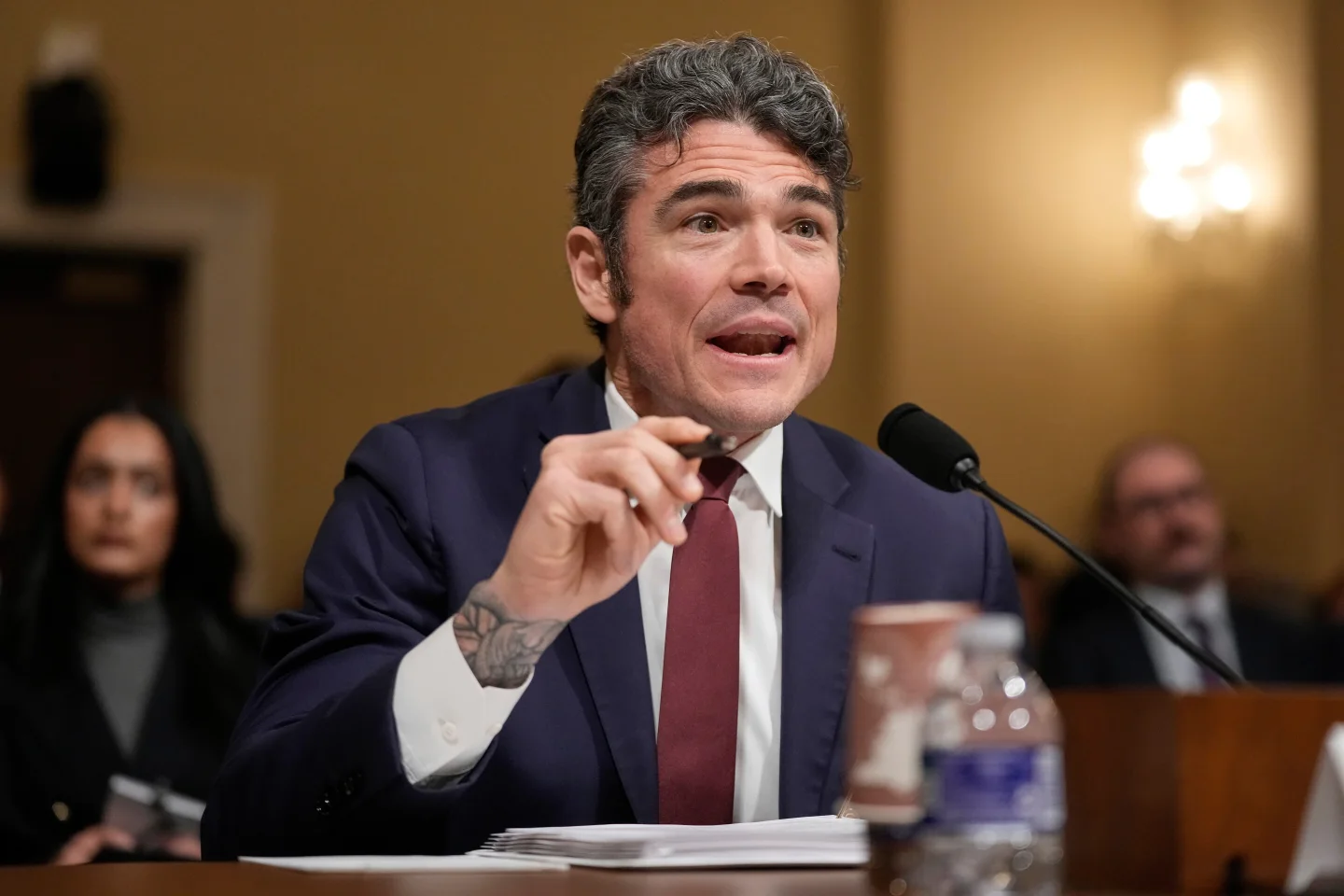
Joe Kent's recent resignation from the Trump administration's counterterrorism role has ignited significant discussion around the intersection of U.S. foreign policy and right-wing media narratives. Appearing on Tucker Carlson's podcast shortly after his resignation, Kent voiced his concerns about the influence of Israeli officials on U.S. military actions, particularly regarding Iran.
During the interview, Kent questioned the motivations behind U.S. intervention in conflicts, suggesting that Israel's lobbying played a detrimental role. This sentiment underscores a broader and growing schism among Republicans, as traditional support for Israel faces scrutiny and pushback from newer, more skeptical factions within the party.
The Fallout of Kent's Claims
Kent insinuated that pro-Israel influences were behind various national security actions, even going so far as to reference the assassination of conservative activist Charlie Kirk, further complicating the GOP's foreign policy stance. His comments prompted sharp rebukes from more established Republican leaders, who condemned the drift towards conspiracy theories and antisemitic tropes within the party.
Media Dynamics and Republican Fractures
As the GOP navigates these treacherous waters, influential media personalities like Tucker Carlson continue to shape narratives that may not align with historical Republican platforms. Critics such as Matt Brooks from the Republican Jewish Coalition have decried the normalization of antisemitism within right-wing discourse.
This fracture highlights deepening divisions not only regarding foreign policy towards Israel and Iran but also concerning the moral compass of the Republican Party. As more figures emerge from the fringes to the forefront, the future of GOP solidarity on foreign policy remains in flux, navigating the stormy seas of evolving beliefs and media influences.