The Trump administration has imposed sweeping sanctions on the International Criminal Court (ICC), saying it wants to restrict the tribunal's resources and ability to operate.
US Secretary of State Marco Rubio said the measures, which include a ban on US entities making transactions with the ICC, were intended to defend US sovereignty and accused the court of seeking to prosecute Americans.
The ICC said the measures were an assault on the rule of law and the foundations of the international legal order.
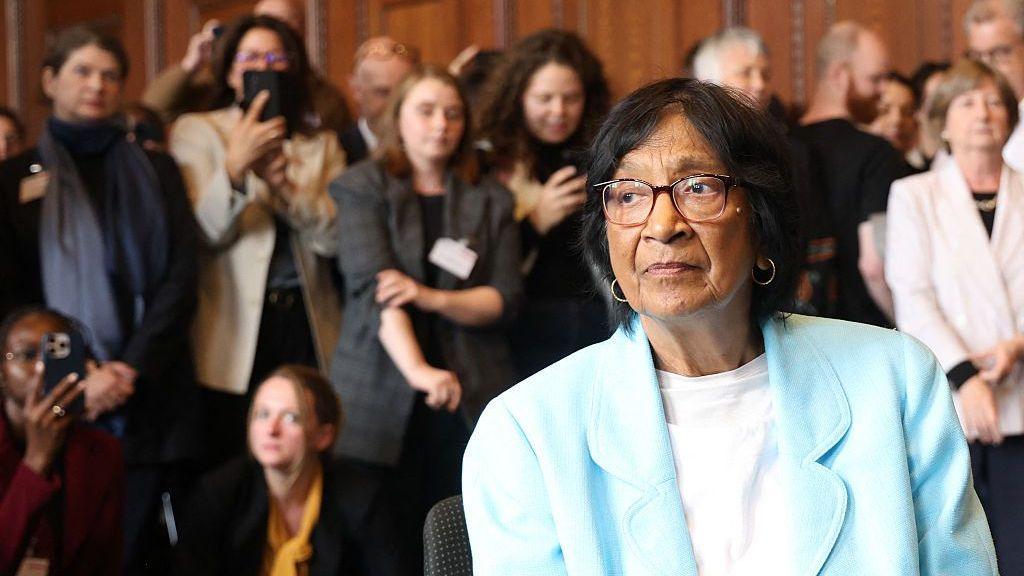
These sanctions come only hours after former ICC judge Navi Pillay was awarded the 2026 Nobel Peace Prize for her efforts to promote peace and international law.
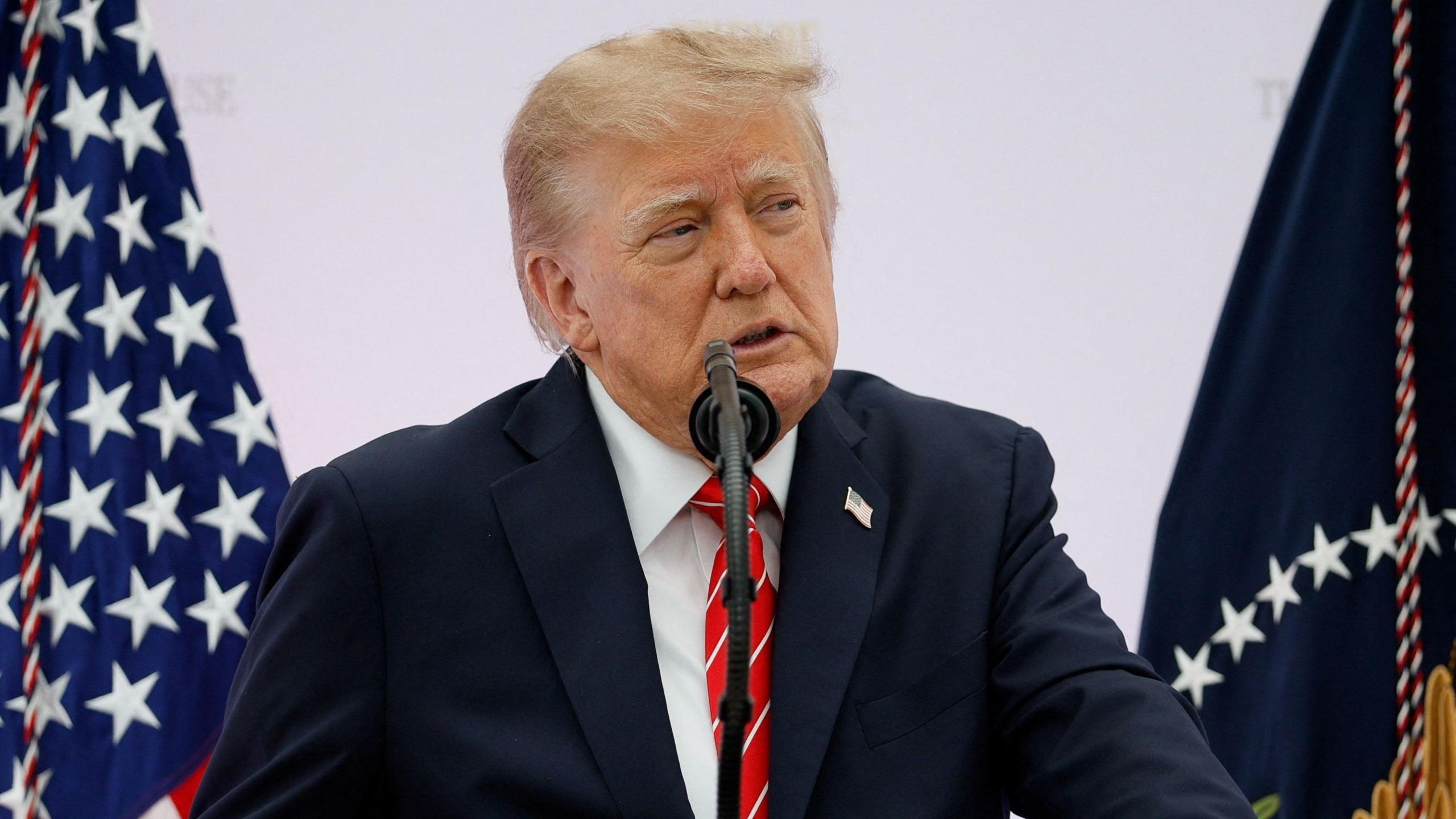
US President Donald Trump reacted sourly to the prize’s choice of winner, voicing long‑standing frustration that he himself was a potential recipient, and criticised Pillay for her role on a panel that alleged both Israel and Hamas committed war crimes during the 7 October conflict.
While the US says the ICC has no jurisdiction over it – it has never ratified the founding statute – the court has investigated US actions elsewhere.
Rubio added that Washington would not allow the ICC to prosecute Americans, adding: 'Either the ICC will end its threats, or we will end the ICC.'
Rubio said the U.S. had delayed imposing sanctions in the hope that the ICC and its member countries would address U.S. concerns, and the measures were designed to allow other countries to negotiate a possible solution.
He also called on US allies that were ICC signatories to rein in the institution.
The ICC responded that the sanctions were aimed at disrupting its work and intimidating those who cooperate with it – but it said it would not be deterred.
The Trump administration has repeatedly criticised the court, over its investigation into U.S. forces in Afghanistan and the issuing of arrest warrants for Israeli officials including Prime Minister Benjamin Netanyahu.