
In brief
President Donald Trump wants his Florida golf club to serve as a new presidential retreat akin to Camp David, a move he calls a "gift" for Americans. The club would cover construction costs and provide free memberships to future presidents and visiting heads of state. Trump highlighted the site's security and accessibility, noting its proximity to the airport. Critics question the private‑public nature of the project and its broader implications for presidential privilege.
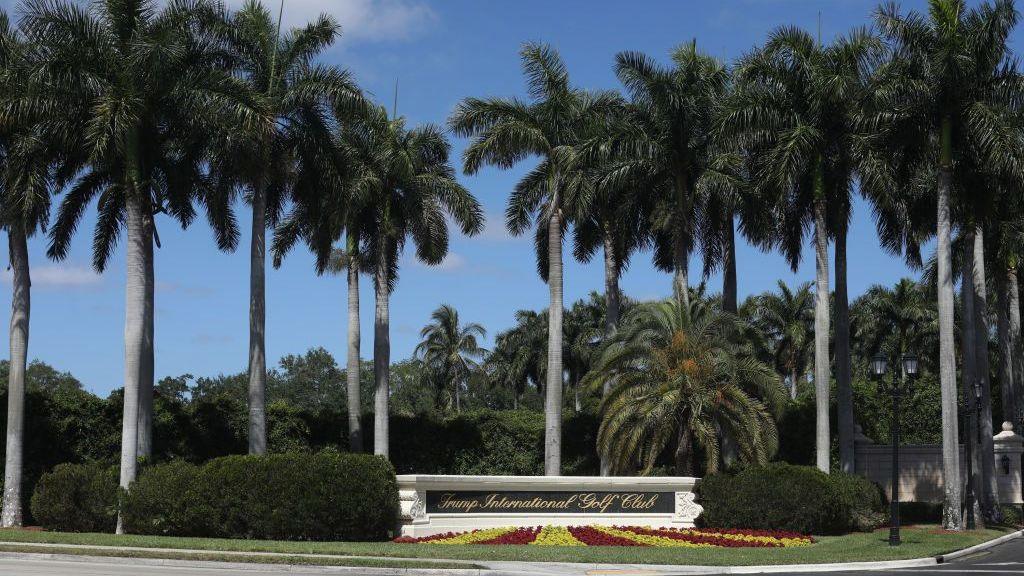
President Donald Trump has announced plans to transform his Florida golf club into a new presidential retreat, mirroring the historic Camp David. The proposal, described by the former president as a "gift" to Americans, would see the golf club shoulder construction costs and offer free memberships to future presidents and visiting heads of state.
Trump emphasized the site’s strategic advantages: it sits just a two‑minute drive from the Palm Beach airport and features ample security, a point he believes provides "maximum safety." He added that the absence of high‑rise buildings around the area means there are no windows overlooking the club from neighboring homes, further enhancing security.
The idea marks another shift in presidential tradition. While Camp David remains a pastoral, Republican‑era retreat deep in Maryland’s hills, Trump’s Florida club would be a modern, golf‑course setting with high‑end amenities and a thriving social scene, frequented by his political allies.
Critics raise questions about the blurring of public and private interests. The club’s attorney letter released by the Palm Beach Post claims the club will be operating as a "U.S. Presidential Golf Course," with all facilities open to future presidents at no cost. Some observers worry about the potential precedent for accessing private luxury sites for official state business.
In a recent Oval Office interview, Trump reiterated that the project would benefit future administrations: "This would be for all future presidents," he said. The proposal has sparked debate among lawmakers, former officials, and the public over the appropriate boundaries between personal property and presidential heritage.