Israel Grapples with Accountability Three Years After Oct. 7 Tragedy
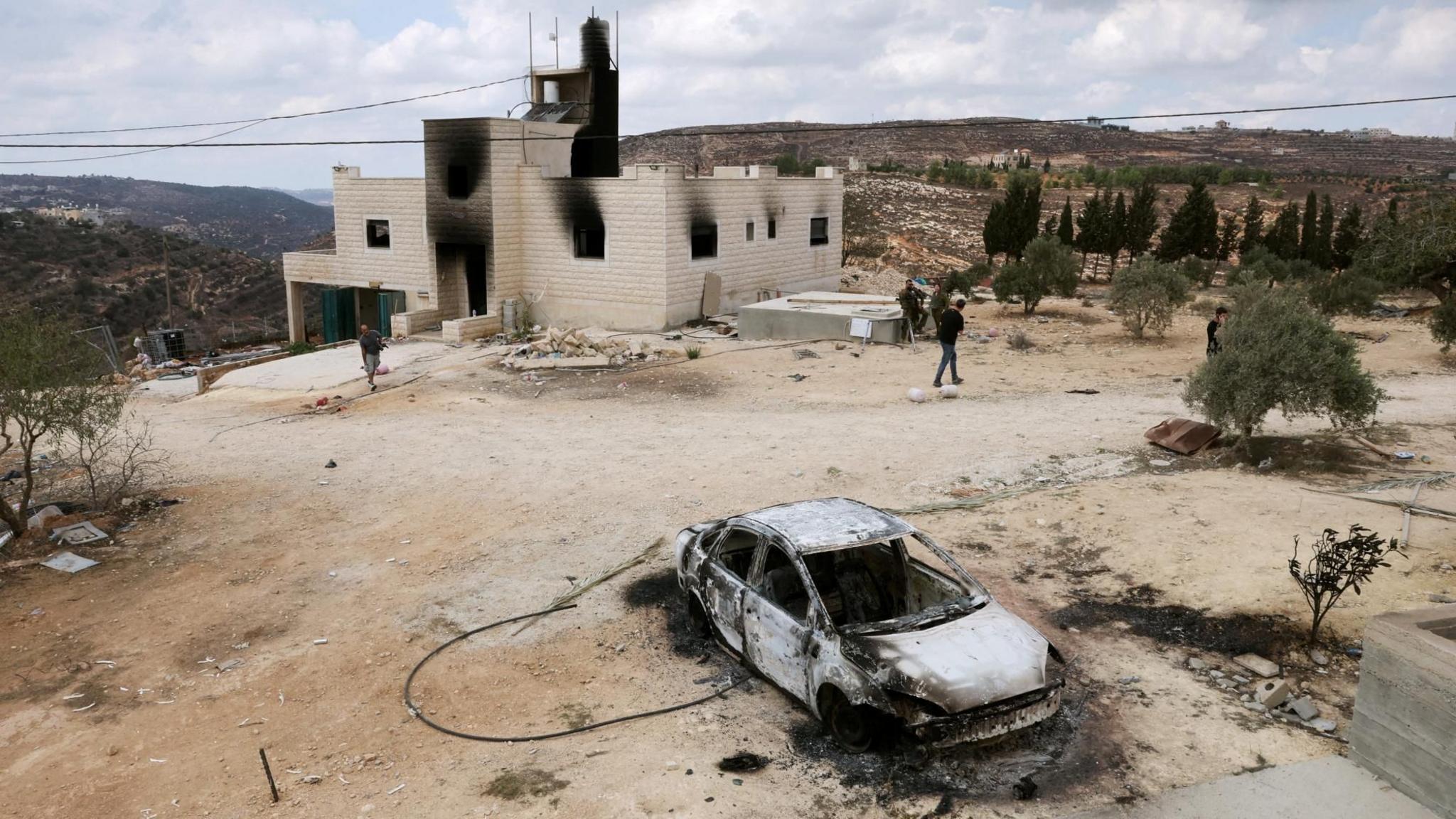
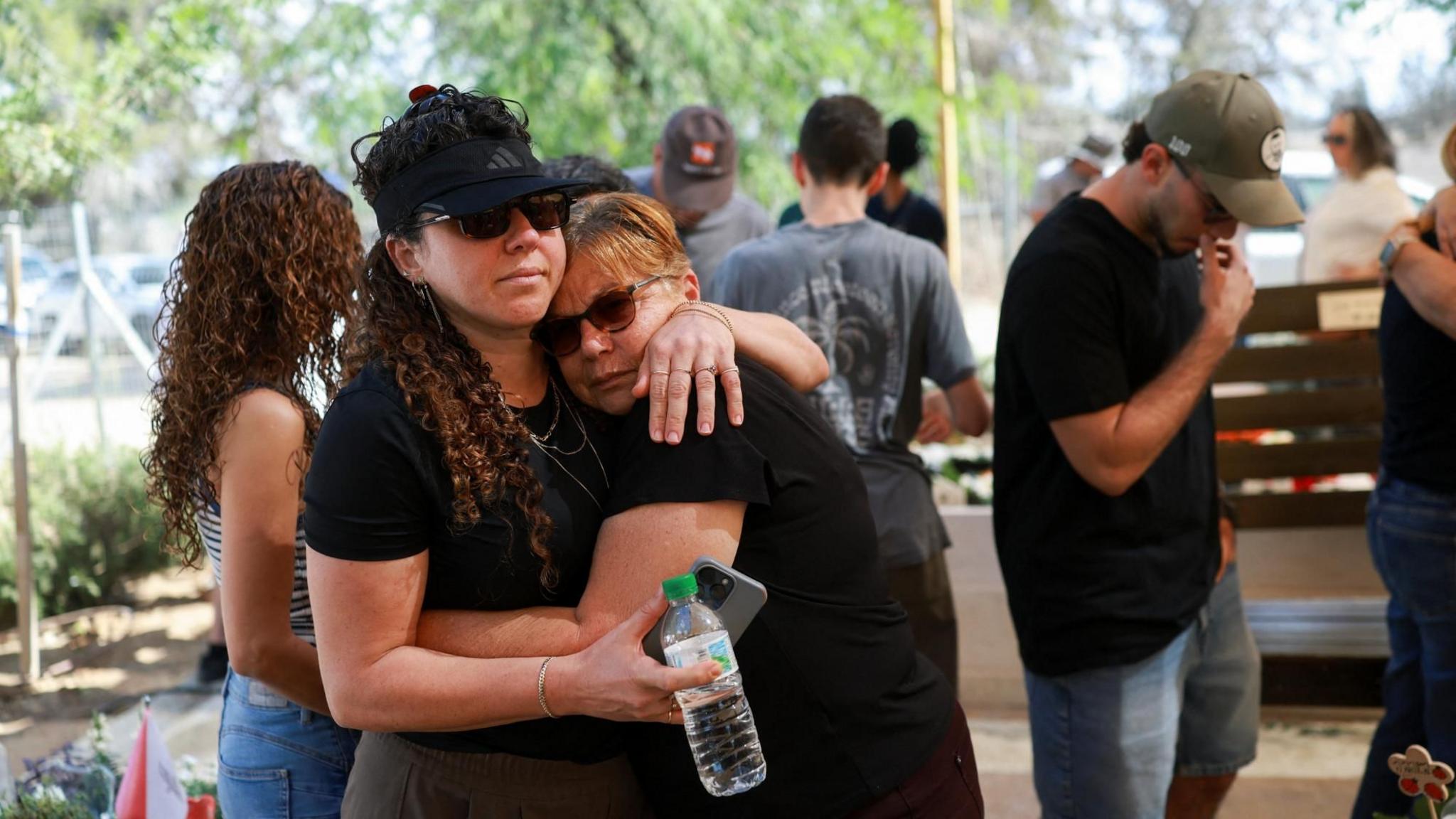
As dawn broke over the Gaza border, Kfar Aza’s quiet streets grew heavy with grief. A small civil defence squad was ambushed on the morning of Oct. 7, 2023, and the kibbutz subsequently suffered the loss of 64 residents and the abduction of 19 others.
Today, candles still flicker at memorial sites, and residents’ voices rise in plea for answers. Inbar Goldstein, who lost her brother and niece, asked plainly: I need my country to take responsibility. Her words echo a growing frustration that has not faded with the passage of time.
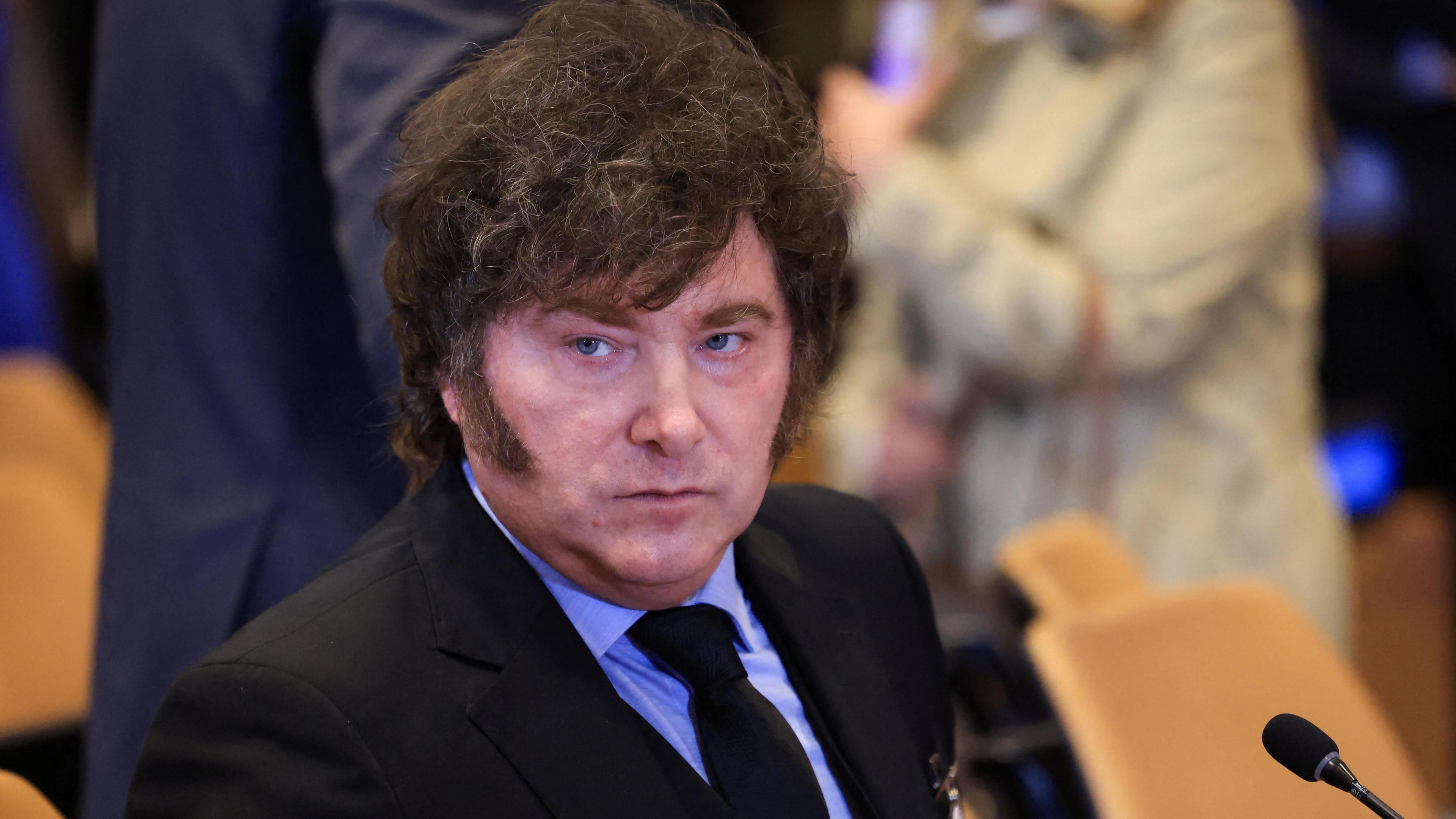
Despite the tragedy’s magnitude, no independent inquiry into Israel’s security failure has yet materialised. Prime Minister Benjamin Netanyahu, who was in power during the attack, continues to deny any personal culpability and is preparing to run for re‑election on a platform that emphasises new military campaigns against Hamas, Hezbollah and Iran. Official statements claim he was warned by security chiefs and foreign allies, yet he has dismissed those claims as false.
Responding to mounting pressure, opposition politician Yizhar Shai and others have petitioned Israel’s Supreme Court to force a state‑commission investigation. Netanyahu’s government instead suggested a “national commission” whose members would be selected by political parties, a proposal that fell short of an independent probe. The debate over accountability has become central to Israel’s political discourse as the electorate heads to the polls.
The shadow of Oct. 7 remains in every parliamentary debate and street protest. While the nation continues to mourn, questions about who should answer for the security lapse echo louder than ever—a question that the forthcoming elections will press the country to confront.