“Together we are in a position to… end decades of suffering, stop generations of hatred and bloodshed, and forge a beautiful, everlasting and glorious peace for that region and for the whole region of the world.”
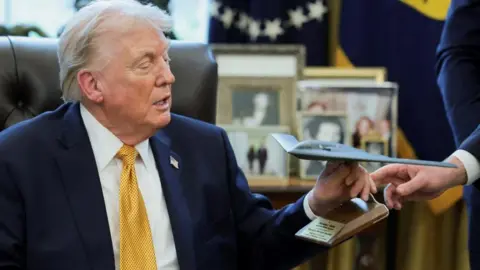
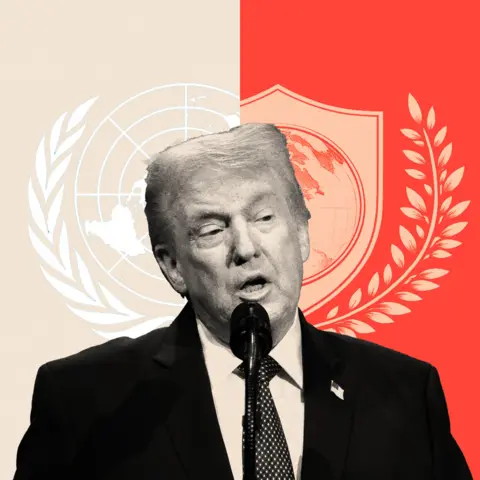
This was the soaring promise made by U.S. President Donald Trump as he inaugurated his new Board of Peace during the Davos Economic Forum.
While many hope for peace, critics argue that this initiative is yet another attempt by Trump to dismantle existing international frameworks and replace them with self-serving institutions. Polish Prime Minister Donald Tusk cautioned on social media, “We will not let anyone play us.”
The Board, endorsed by a UN Security Council resolution following U.S.-led efforts to conclude the Gaza war, raises important questions about its authority and whether it may pose a challenge to the United Nations’ current role. Trump’s supporters, including Hungary’s Viktor Orban, have been vocal about their optimistic outlook: “If Trump, then peace.”
What powers will this Board wield? According to leaked details, Trump would serve as its chair for life, having the authority to invite or exclude member states and appoint successors, as well as demanding a substantial fee from potential new members. As nations consider joining, there are noted hesitations, particularly from leaders wary of Trump's shift in focus from inclusive global diplomacy to a model that may prioritize American interests.
In an environment already strained by geopolitics, concerns arise that Trump's Board of Peace could disrupt the long-established international system. “This dangerously interferes with the broader international order,” Slovenia’s Prime Minister Robert Golob lamented.
Some in diplomatic circles view Trump’s assertions as potentially beneficial to the call for reforms within the UN framework, acknowledging that the current Security Council needs to modernize. However, with Trump’s track record of unilateral decisions, many are apprehensive about the implications for multilateralism.
While the UN has faced criticism in recent years for its ineffective response to various global conflicts, Trump’s new initiative may not provide the solution global leaders crave. As chaos reigns in parts of the world, many question whether the Board of Peace can truly function as an alternative to the existing structures that govern peacemaking.
'Once this Board is completely formed,' Trump noted, 'we can do pretty much whatever we want in conjunction with the United Nations.' But the hesitations from key global leaders highlight the uncertainty surrounding this expansion of Trump’s influence on the international stage.
Even amid potential tensions, the ambition behind the Board of Peace remains palpable—aiming to reshape the landscape of international diplomacy in a world fraught with conflict and struggle.