In brief
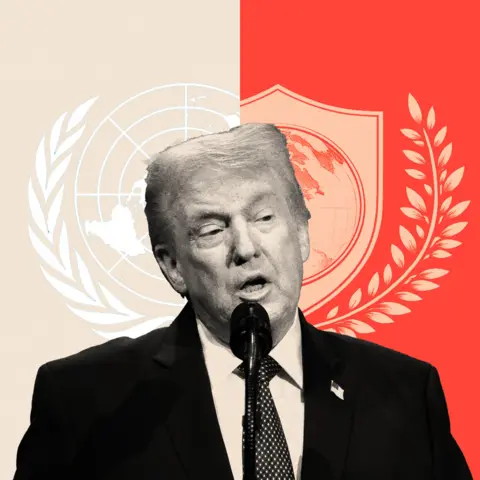
During his address at the Davos Economic Forum, President Trump announced the creation of a Board of Peace, which some view as an effort to replace traditional international structures like the United Nations. With concerns over its intended role and expansive powers assigned to Trump himself, this initiative raises questions about the future of global governance and peacekeeping. Prominent global leaders express caution, while Trump's supporters praise his commitment to peace.
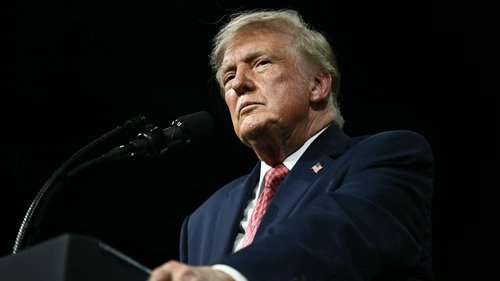
Together we are in a position to… end decades of suffering, stop generations of hatred and bloodshed, and forge a beautiful, everlasting and glorious peace for that region and for the whole region of the world.
Such was the soaring promise of US President Donald Trump as he inaugurated his new Board of Peace on the stage of stages that is the Davos Economic Forum this week.
The world of all too much suffering and strife badly wants to believe him. But for many observers and officials in capitals the world over, it is yet more proof of Trump's drive to dismantle the post-war international architecture and replace it with new institutions - dominated by him.
We will not let anyone play us, Poland's Prime Minister Donald Tusk warned tersely on social media.
The idea of the Board is rooted in US-led efforts to end the war in Gaza, and now it harbors grand ambitions. Under its draft charter, Trump would serve as its chairman for life, wielding considerable authority and raising questions about its competition with the UN.
The inaugural meeting in Davos gathered representatives from nineteen countries across the globe, yet skepticism remains regarding the Board’s potential effectiveness and its implications for international diplomacy.
Critics argue this initiative could dangerously interfere with existing international agreements, further complicating the complex global landscape.
As discussions unfold about the UN's reform, some suggest that the Board might inadvertently bring to light essential issues regarding international governance.