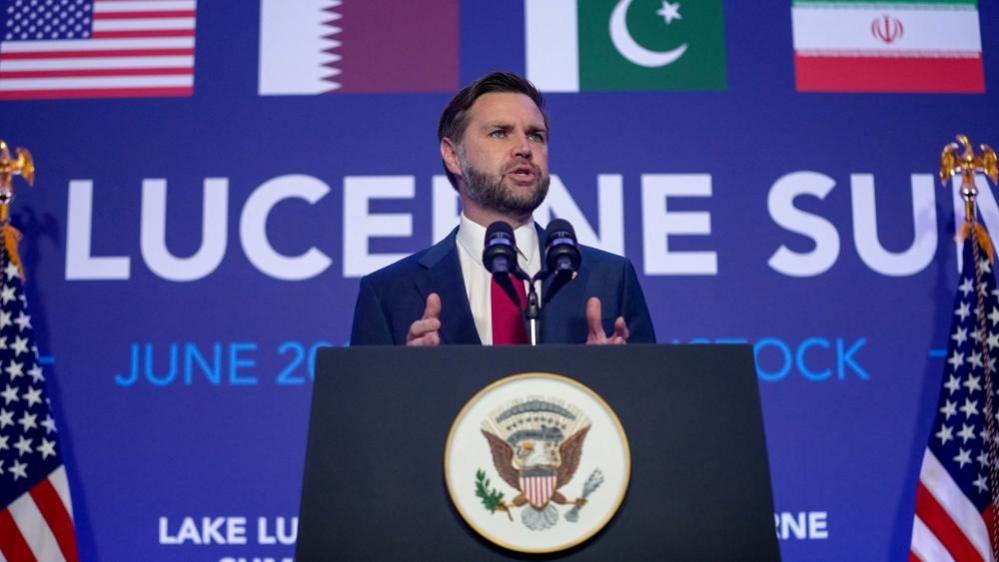
America may be a nation at war, but President Donald Trump's activities over the past few days have been a mix of diplomacy and diversions - with the occasional swing towards the surreal.
On Friday, he said the US war against Iran was winding down. By Saturday night, he had given Iran a 48-hour deadline to reopen the Strait of Hormuz or face withering new American airstrikes.
The next day, he golfed and spent the afternoon at his Mar-a-Lago resort in Florida.
By Monday morning, with global markets swooning, he said the Iranians were engaging in constructive talks with the US. Then he flew to Memphis, Tennessee, gave a speech and visited Graceland, music legend Elvis Presley's historic home.
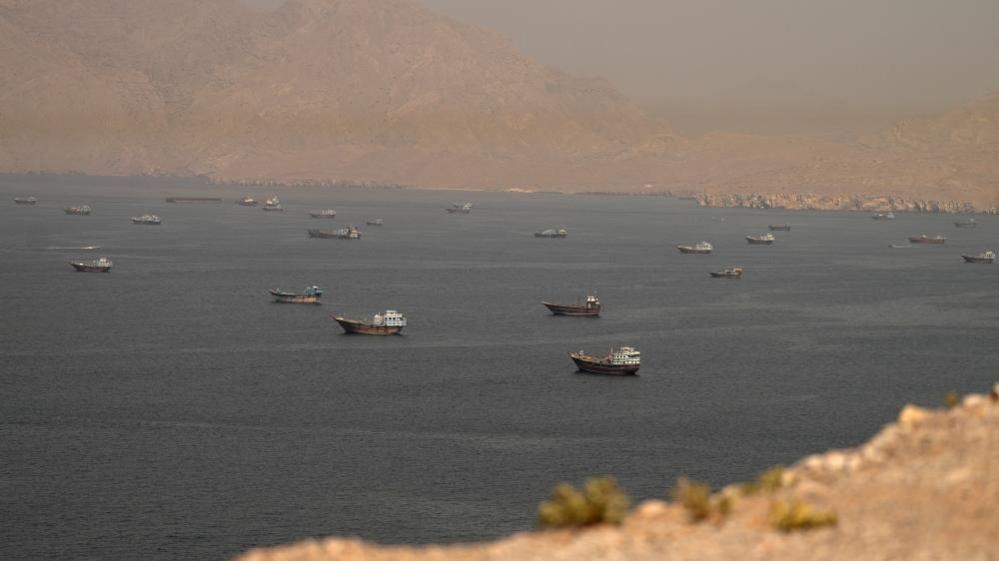
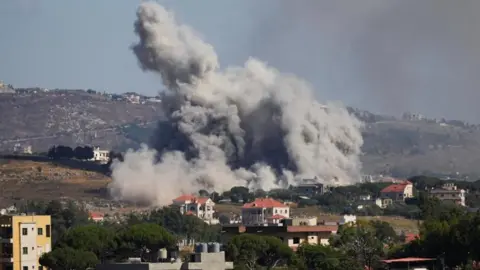
Meanwhile, US and Israeli airstrikes on Iranian targets are ongoing. The Iranians continue to fire missiles and launch drones against US forces and its Middle East allies. Traffic through Hormuz remains limited.
At the time, Trump's Saturday-night ultimatum seemed clear: if Iran didn't allow full access to Hormuz for international shipping, the US would plunge the nation into darkness by targeting its energy production infrastructure.
It was a stark warning. Iran replied that it would, in turn, target regional energy and water infrastructure. A new escalation of the three-week war, with potentially dire consequences for civilians, appeared imminent.
By Monday morning, however, Trump had called off the strikes – at least temporarily.
US contact with an unnamed Iranian leader - contact not confirmed by Iran - was enough to merit a five-day stay of the threatened attacks, the president said.
He struck an optimistic tone over the course of the day, as he flew to Tennessee for a visit he said had been planned weeks earlier.
The US and Iran have major points of agreement, he said from the tarmac before his departure.
They want very much to make a deal, he said. We'd like to make a deal, too.
A few hours later, speaking to gathered US National Guard personnel in Memphis, he said the US was having very, very good discussions with Iran.
Iran has one more opportunity to end its threats to America and our allies, he said. We hope they take it.
Then Trump headed to Graceland, Memphis's most famous tourist attraction, to tout a drop in the city's crime rate, which he attributed to his deployment of National Guard soldiers to its streets.
As Trump walked through Elvis's home, observing the fashion and design tastes of the king of rock'n'roll, reports continued to filter in of a presidential phone call to Israeli Prime Minister Benjamin Netanyahu and potential direct talks with Iranian officials later in the week.
Diplomatic wheels, it seemed, were in motion, even as the lack of detail left many around the world with suspicious minds, as Elvis once crooned.
Iranian state media, citing Trump's Truth Social post as evidence, claimed the president backed down in the face of threats. Iranian officials denied any substantive talks between the two nations. While the president spoke of 15 points of agreement, he declined to provide much in the way of specifics.
Even the prospect of talks was enough to send the US stock market surging and global oil prices dropping, however. What had been shaping up as a day of heartbreak for major world economies now had a glimmer of hope for investors eager to see an off-ramp to this conflict.
Trump is back in Washington, where a new five-day countdown to US attacks on Iranian power infrastructure will begin.
After fits, starts and a pilgrimage to the home of a deceased rock legend, Trump may have provided the first indication of a real breakthrough.
Or it could be just the latest instance of this president realizing that the ultimatum he delivered put him in a tight spot, forcing a move to buy himself more time.
During his tour of Graceland, Trump said that he was big Elvis fan and that Hurt was his favourite song.
Given the current circumstances, however, It's Now or Never may have been a more appropriate choice.