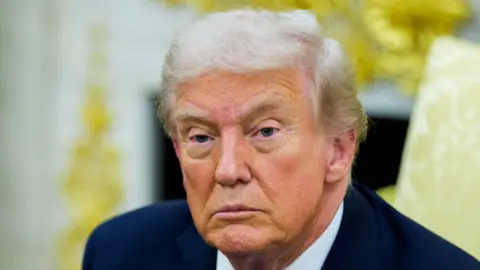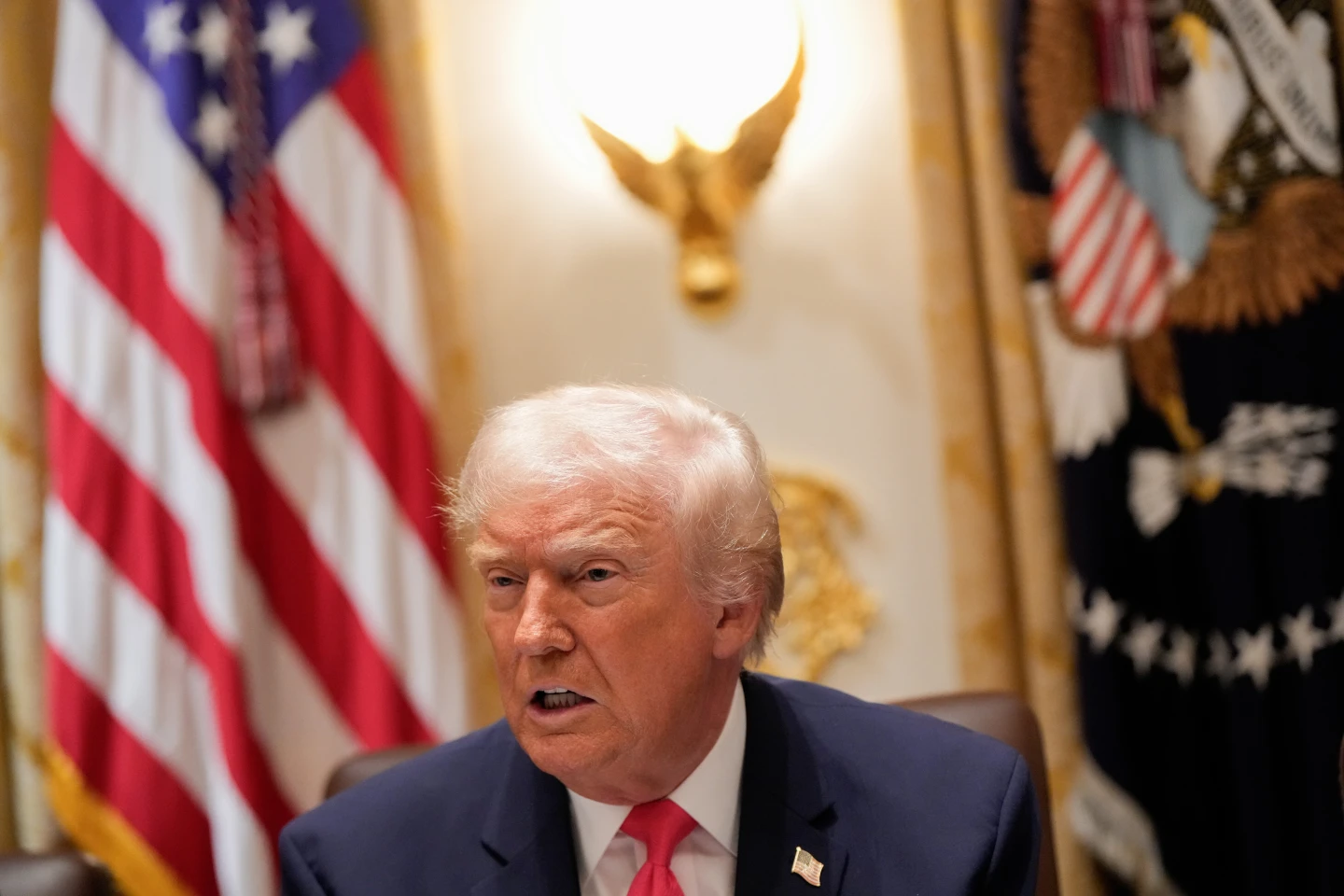
During a recent Cabinet meeting, former President Donald Trump made headlines by labeling Somali immigrants in the U.S. as 'garbage.' His remarks, made in an aggressive and emphatic manner, were met with applause from assembled Cabinet members, including Vice President JD Vance, signaling a stark defense of his administration's controversial stance on immigration.
The inflammatory comments continued a pattern of Trump's rhetoric, harking back to earlier statements where he targeted groups based on their nationality and ethnicity. In his past pronouncements, he had labeled Mexican immigrants as 'rapists' and referred to African countries as 's—-hole countries.'
Trump’s current stance represents what many believe is a growing normalization of hostile rhetoric against immigrants, particularly those from the African continent. This has reignited tensions in a society that views itself as a melting pot yet grapples with a complex and often ugly history of racial and ethnic relations.
A Deepening Divide in Immigration Policy
Trump's presidency has correlated with a dramatic tightening of immigration policies. His administration has taken steps to limit asylum applications, reduce the number of refugees accepted into the U.S., and even attempted to end birthright citizenship as defined by the 14th Amendment.
Many scholars and activists express concern that Trump's rhetoric not only legitimizes outright xenophobia but has also emboldened similar sentiments among other political leaders globally, shaping a more hostile environment for immigrants.
Critics of Trump highlight how this type of language has entered mainstream discourse, reshaping conversations around what it means to be American. The language, once relegated to fringe elements, is now alarming experimenters with its acceptance.
As the immigration debate continues to provoke stark divisions within U.S. society, the plight of immigrants and American identity remains at the forefront of public consciousness. Trump's characterization of Somali Americans as 'garbage' has sparked outrage from communities within the U.S. and beyond, as many call for a reevaluation of the nation’s immigration policies and the language used to discuss them.