In brief
President Trump has announced a 50% tariff on Canadian automobiles and parts, set to take effect from 1 January, signalling a sharp escalation in the long‑standing trade dispute. Canadian officials vowed retaliation, with closer scrutiny of US imports and potential reciprocal duties. Premier Doug Ford’s media spat and federal backing by Mark Carney added a combative tone to the negotiations. Businesses across the continent warn of steep price hikes and supply chain disruptions. The gambit threatens to destabilise the USMCA framework, raising the risk of broader North American trade realignment.
President Donald Trump has announced a 50 per cent tariff on Canadian cars and related parts, slated to take effect on 1 January. The move, an escalation in a simmering US‑Canada trade dispute, follows last‑week negotiations that collapsed amid accusations of unfair demands from both sides.
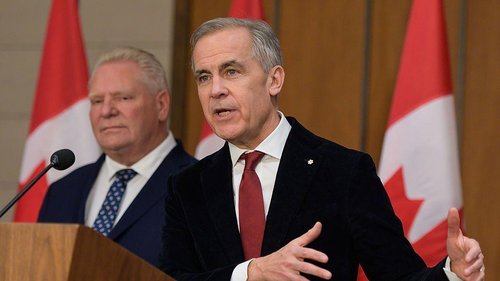
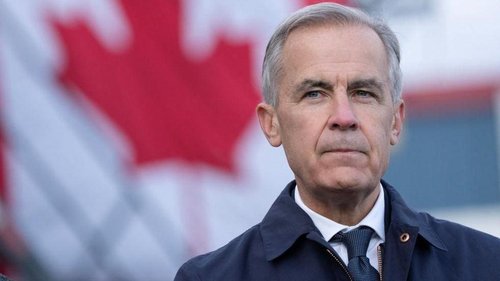
In response, Canadian officials have signalled they will impose reciprocal tariffs on US goods. Mark Carney, Canada’s Minister for International Trade, emphasised that the country will counter $20 billion of Canadian imports and that the industry will endure heavy losses if the new duties take hold.
The standoff intensified when Ontario’s Premier Doug Ford made a public retort, telling President Trump to “kiss my ass” and prompting Trump to threaten harsher consequences on Canadian President Ford in a social media post.
Businesses on both sides have warned of significant impact. Owners in Portland, Oregon, fear that Canadian‑made pillows could see a price jump of about 50 percent, while Canadian manufacturers risk losing access to the vast U.S. market.
These developments raise concerns about the stability of the US‑Mexico‑Canada Agreement. Analysts suggest that unresolved tensions could unravel the trade pact, potentially pushing Canada into recession and limiting its growth trajectory.
The Canadian government has also pledged $11 billion to build new icebreakers, a strategic move to diversify trade routes and reduce dependence on U.S. markets.