Canada Counters US Tariffs with Dollar‑for‑Dollar Retaliation
By Nadine Yousif & Toby Mann
22 August 2026
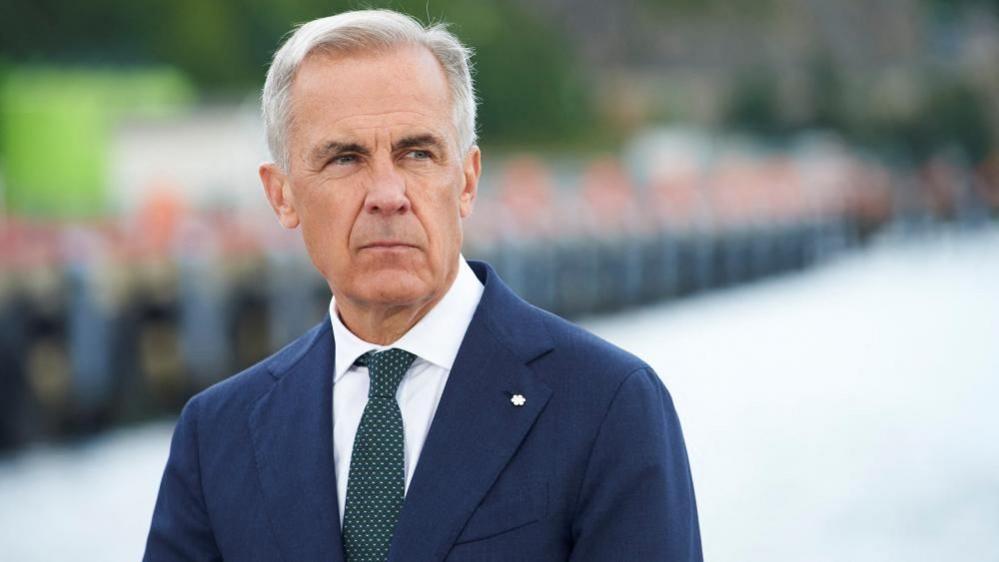
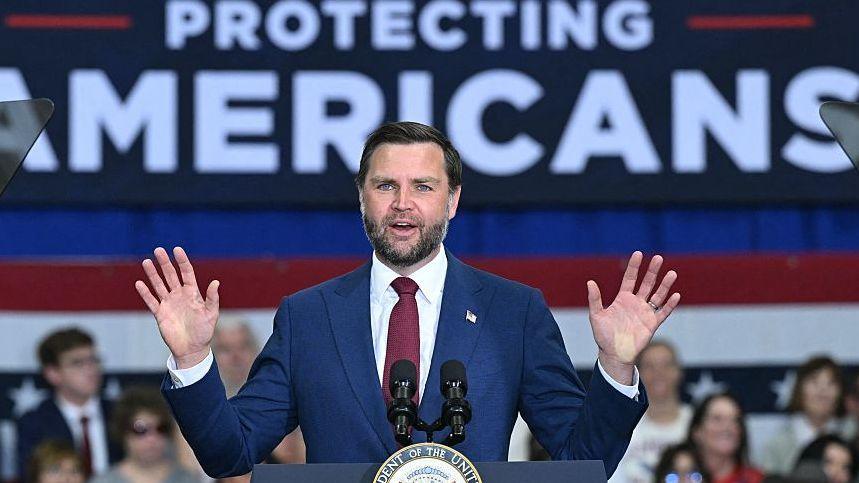
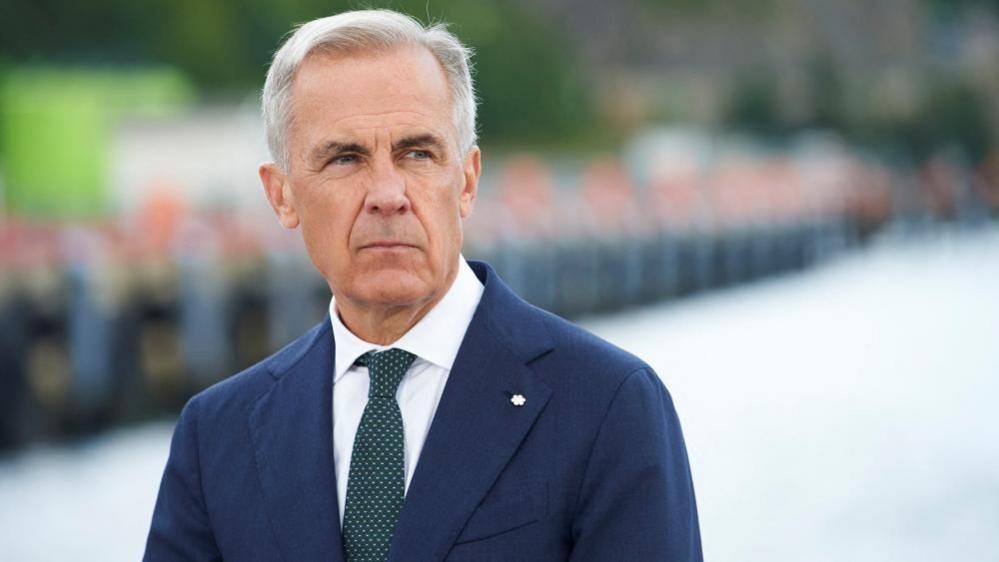
Prime Minister Mark Carney announced that Canada will impose reciprocal tariffs on United States goods, matching the 50% duty Washington had threatened on $20 bn of Canadian imports. The announcement came after the cabinet abruptly suspended trade talks with the US at the deadline on Friday night.
Carney said the last‑minute changes proposed by Washington were “unfair, uneconomic and unreliable.” He instructed negotiators to return to Ottawa and vowed a “dollar‑for‑dollar” response, echoing sentiment from across Canadian politics, including support from Ontario Premier Doug Ford.
The collapsing trade talks follow a week of intense negotiations that began after President Donald Trump threatened to impose tariffs on Canadian steel, aluminium, autos and lumber. Earlier in the week, the US paused its requested levies, citing progress toward a “very good” deal, only for the negotiations to stall minutes before a deadline.
Key points debated included reducing a 50% tariff on Canadian steel and aluminium to 25%, and a cut from 25% to 15% on Canadian autos. In exchange, Canada had requested the removal of an alcohol ban that most provinces imposed in retaliation for US duties.
Truck tariffs will now affect a broad array of goods: wine, dairy, cement, clothing, and even hockey gear. In addition to the new duties, the US will maintain existing tariffs on the mentioned commodities, widening the trade friction.
The US trade representative, Jamieson Greer, warned that the Canadian decision to “decline to finalise the trade deal” will be met with further action, noting that the United States will not tolerate “counter‑tariffs.” He further claimed the new US demands had “upended the careful balance” that had been achieved over recent days.
Both sides’ stakeholders and the broader business community have cautioned that higher tariffs could damage both economies and threaten supply chain stability. The US Chamber of Commerce warned that such measures risk over 13 million American jobs dependent on the US‑Mexico‑Canada Trade Agreement.
Public polling indicates that around 36% of Canadians favour retaliation, while roughly 30% want the government to continue negotiating. The divided sentiment illustrates the delicate balance domestic policymakers face between protecting domestic markets and maintaining healthy bilateral trade relations.
With the trade talks now effectively suspended, both nations are heading toward a period of heightened tariff warfare that could ripple through global supply chains. In the digital newsroom, viewers can explore the virtual Ottawa setting, attend detailed Q&A sessions with trade analysts, and witness the unfolding economic impact in real time.