In brief
Vice‑President JD Vance’s lewd commentary on Prime Minister Mark Carney coincided with a sudden rupture of trade talks, culminating in Canada’s retaliatory tariffs that threaten to reverse a decades‑long economic partnership. The U.S. has used trade leverage, yet Canada is now testing its own capacity for economic retaliation. The dispute exposes the fragile balance between political posturing and genuine negotiating power, and hints at future strategic shifts in North America.
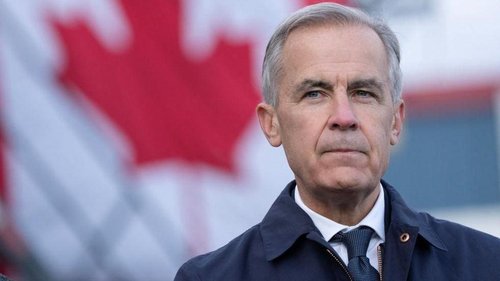
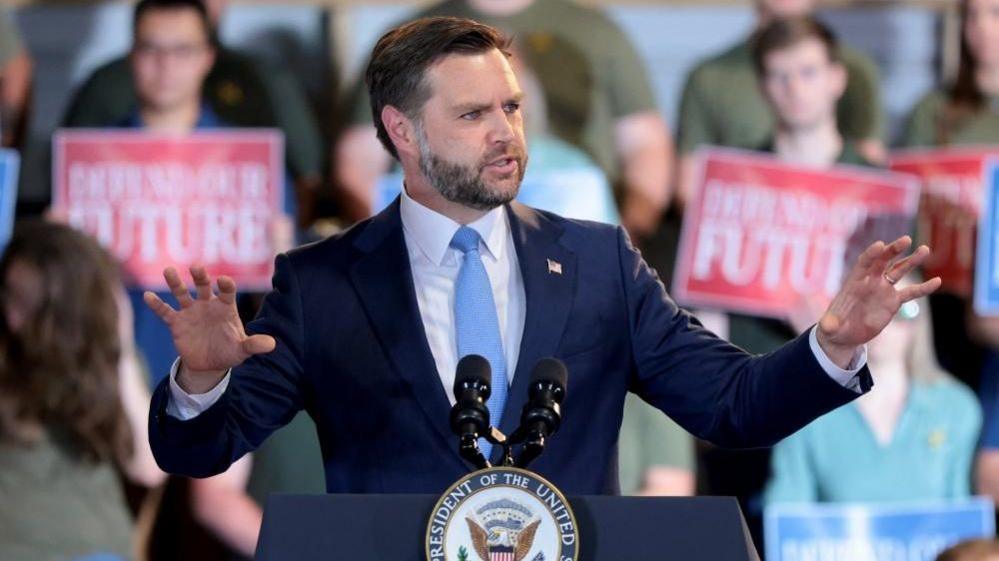
Two days before the U.S.–Canada trade talks collapsed, Vice‑President JD Vance was praising Prime Minister Mark Carney at a private fundraiser, only to reveal his private audio clip in which he called Carney’s threat to “talk tough to Donald Trump” “hilarious”. The remarks had little influence on the abrupt retreat of Canadian diplomats, but they joined a cascade of political provocations that doomed the negotiations.
Canada’s move to impose new tariffs halted the negotiation of a fresh trade agreement and ignited a fresh stream of hostile tariffs between neighbours that exchange more than $872 bn of trade each year. The fiscal smacking of trade shows that the Trump administration is willing to use force against friends and foes alike, and that the friction between North American neighbors dates back to the first Trump administration with the USMCA renegotiations.
The U.S. view of Canada—contributing too little to regional defence while reaping the benefits of trade—fueled Trump’s conviction that the U.S. must be the dominant power in hemispheric affairs. He labeled Canada the “51st State” and targeted it alongside Mexico.
Despite these provocations, Canada’s tariffs will take effect in two weeks, whereas the most significant U.S. retaliation—a 50% tariff on Canadian‑built vehicles and auto parts—will not take hold until early 2027. The multi‑month delay provides a window for negotiators to reset diplomacy before a new wave of economic pressure could surge.
In the dawn of a potential new U.S. midterm election, Canadian officials gamble that a Democratic congressional win will curtail Trump’s influence. However, if the political tide turns in his favour, Canada may continue to distance itself from the U.S., signalling a shift away from traditional alliances amid a changing set of global rules.
The Canadian‑U.S. spat illustrates a broader pattern: the U.S. can impose heavy tariffs, but trade partners now appear prepared to counter with their own economic punches. This geo‑economic dance may recalibrate North American commerce for the next decade, affecting all stakeholders—from Canadian governors to U.S. auto manufacturers.