In brief
After a week of stalled negotiations, Canada’s Prime Minister Mark Carney declared the United States’ recent tariffs a political miscalculation designed to hurt Canadian sovereignty. Carney walked away from the table, refusing to compromise on Canada’s autonomy or negotiate under terms he deemed unfair and uneconomic. The U.S. has imposed 50% tariffs on a range of Canadian goods such as steel, dairy and electronics, in addition to existing levies on automotive and lumber products. Canada will counter with matching tariff rates “dollar‑for‑dollar” from September 8, a move that may further strain the North American trade bloc, USMCA. The trade collapse, marked by last‑minute changes on both sides, underscores a deepening divide between the two neighbours on key economic policies.
Prime Minister Mark Carney slammed the U.S. president’s new wave of tariffs as a political miscalculation meant to divide Canadians and punish their market. The tariffs include 50% duties on products from steel to consumer electronics—all added to existing duties on Canadian automobiles, lumber, and aluminium.
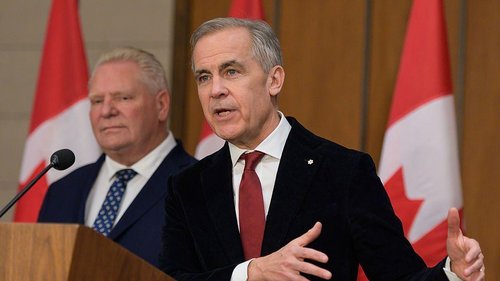
Carney’s speech, broadcast to Canadians after the talks collapsed late on Friday, echoed that the U.S. demanded “too much and offered too little.” He stated that the president’s last‑minute changes were unfair and unplanned, and that Canada will “reluctantly” retaliate to protect its interests.
The Prime Minister announced that Canada will match U.S. tariffs “dollar‑for‑dollar” from 8 September, providing a counter‑measure that could trigger further scrutiny of the North American trade alliance, the US‑Mexico‑Canada Agreement (USMCA). Those measures will be outlined in the coming days.
These tariff rifts grow amid a broader review of the free‑trade pact, with the U.S. having declined to renew the agreement in its current form. Carney warned that the collapse of talks was “certainly not good news” for the trade partnership that underpins the economies of the three nations.
As virtual reporters enter the metaverse to cover the unfolding events, viewers can access live feeds, attend virtual press conferences, and observe the physical locations of the negotiations through avatars—bringing the trade saga right into their digital theatres.