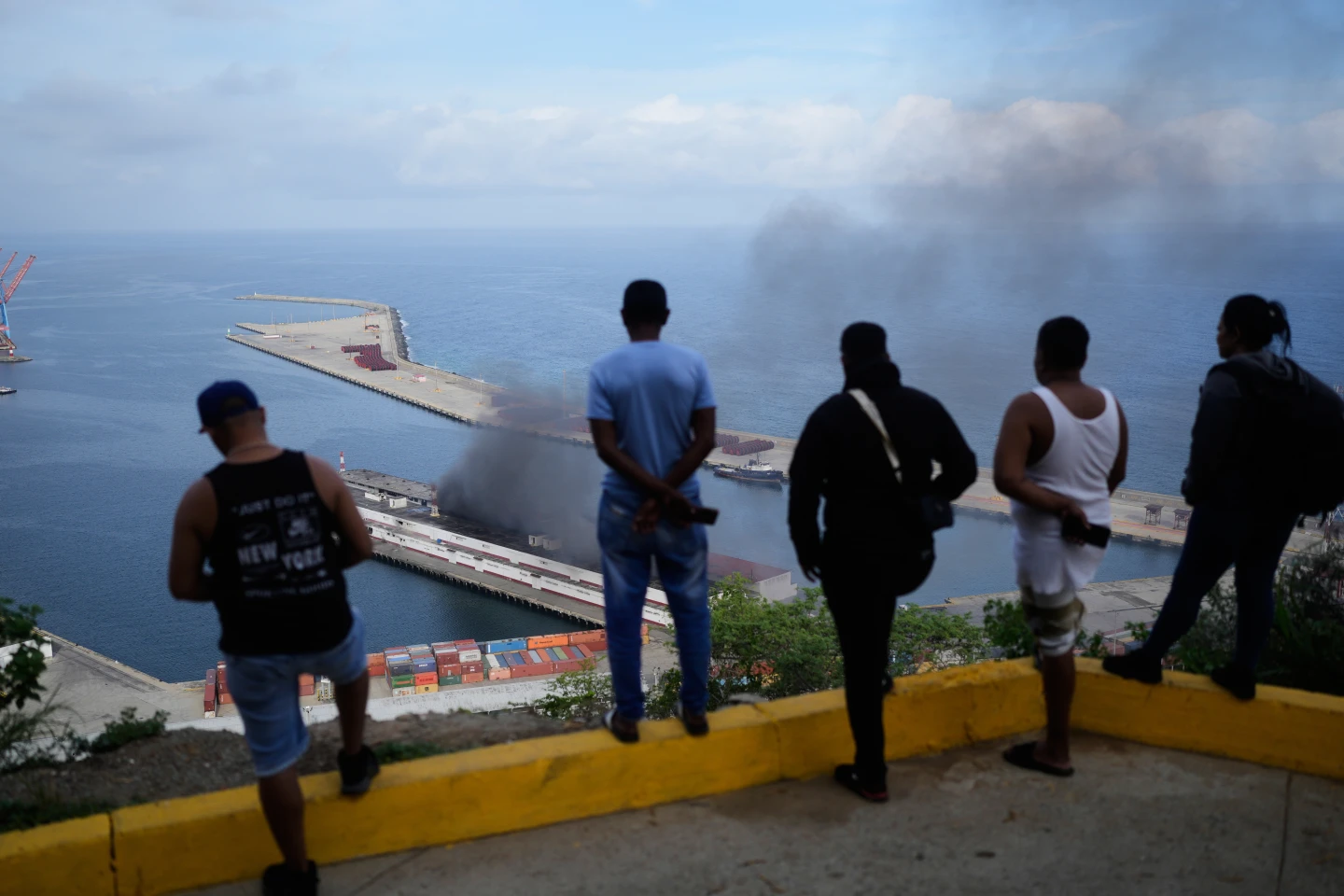
CARACAS, Venezuela (AP) — In what is seen as a major crisis in Venezuela's political landscape, President Donald Trump has announced that Nicolás Maduro has been captured and is now in U.S. custody. Trump plans to oversee Venezuela temporarily, intending to fix the country's troubled oil infrastructure and engage in oil exports to benefit the U.S. economy.
The operation marks the most significant U.S. military involvement in Venezuela in years, reminiscent of previous military operations aimed at regime change. Trump stated, We’re going to run the country until such time as we can do a safe, proper and judicious transition. Meanwhile, concerns are raised in Congress regarding the legality of the military action taken without formal approval.
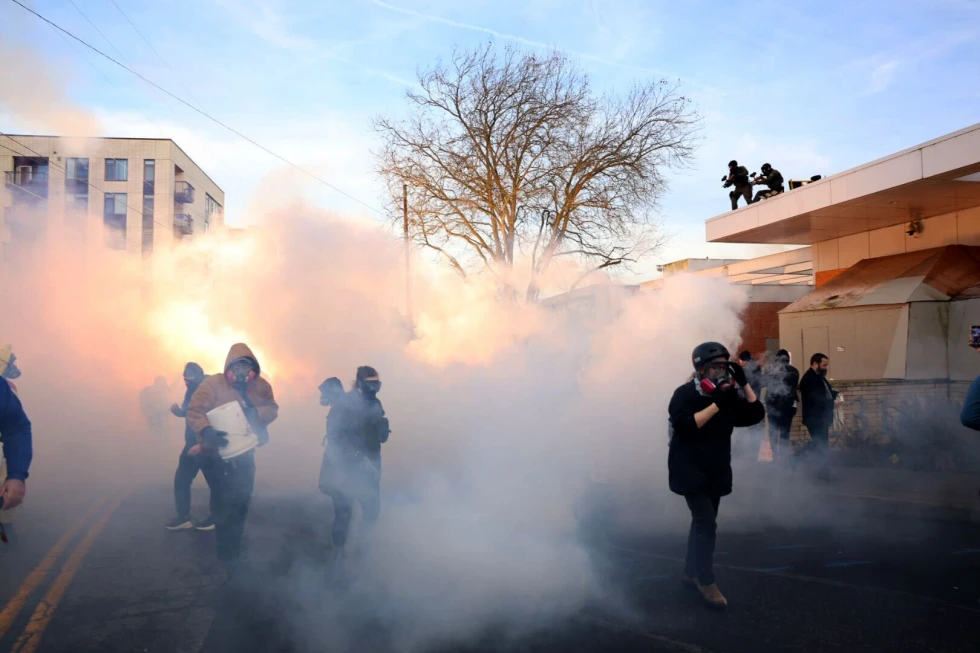
The Venezuelan government has reacted strongly, with Vice President Delcy Rodríguez declaring Maduro as the rightful leader, demanding his immediate release, and calling the U.S. intervention an imperialist attack. Amidst rising tensions, the streets of Caracas are divided, with supporters of Maduro protesting against his capture while others celebrate what they view as a liberation from his regime.
Drone strikes were carried out earlier in the week targeting drug trafficking operations, which contributed to the buildup leading up to Maduro's arrest. As the U.S. assumes control, the legality of such actions and their implications for Venezuelan sovereignty remain hotly debated.
As conflicting sides emerge, many Venezuelans grapple with the tumultuous changes, reflecting on the political stability and future of their nation.