In brief
Following President Trump's impending ultimatum against Iran and a subsequent ceasefire, Iranian-Americans like Zainab Haider navigate a whirlwind of emotions—fear for relatives in Iran, anxiety about the future, and a strong urge to protest against the ongoing war. In cities across the U.S., communities gather, reflecting the complex feelings surrounding the delicate situation.
Zainab Haider was making the drive home after work with her two young children Tuesday as she contemplated what might come from the deadline President Donald Trump had set for Iran to concede to U.S. demands. Would her relatives in Iran be safe or would they be wiped off the map?
Her emotions were heavy, ranging from anxiety and fear to even loneliness as others seemed to be going about their lives as normal despite what could have been pending doom. Ultimately, Trump did not make good on his threat that “a whole civilization will die tonight,” instead agreeing to a two-week ceasefire in the war.
It was another moment of whiplash for Haider and the hundreds of thousands of Iranians living in the U.S. who have been thrust into a seemingly constant state of uncertainty over the future of Iran and their relatives and friends who still live there.
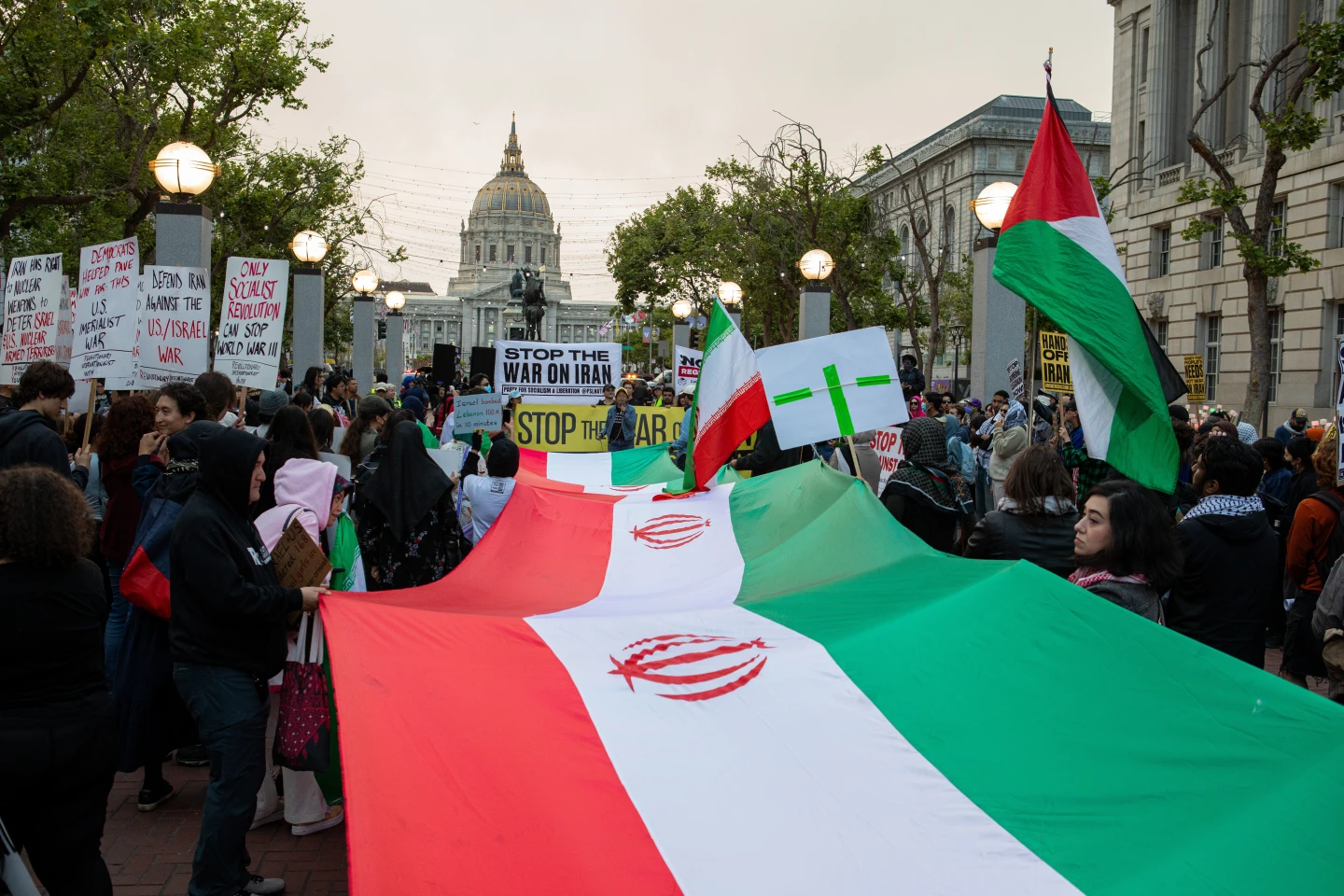
For many, the tenor of the latest discourse around the conflict has consumed their thoughts, often preventing them from getting work done or focusing on anything else. Some are protesting the war, while others guard their opinions about what is happening in their homeland, anxiously watching and wondering what the future might hold.
Haider was among those protesting Wednesday in Austin, Texas, calling for an end to the war. Gatherings also were held in New York, Boston, Chicago, Los Angeles, and other cities. Aside from speaking out against the war, Haider thinks that mobilizing will create “the kind of pressure that makes it harder for Trump to swing back to this aggressive posturing.”
In this critical moment, the duality of hope and fear encapsulates the struggles of those affected, resembling an emotional tightrope for Iranian-Americans trapped between their homeland and the ongoing geopolitical conflict.