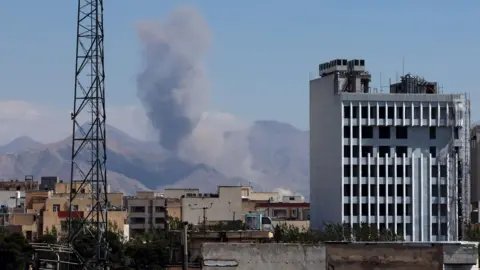
The clock is ticking on President Donald Trump's threat to wipe out much of Iran's civilian infrastructure if the country doesn't strike a deal by Tuesday evening in the US.
But Trump has backed himself into a corner with threats that the US military can't feasibly carry out in one fell swoop, military experts and analysts told the BBC. They warn that a new round of attacks, no matter how large, is unlikely to force the Iranian regime to quickly agree to a ceasefire.
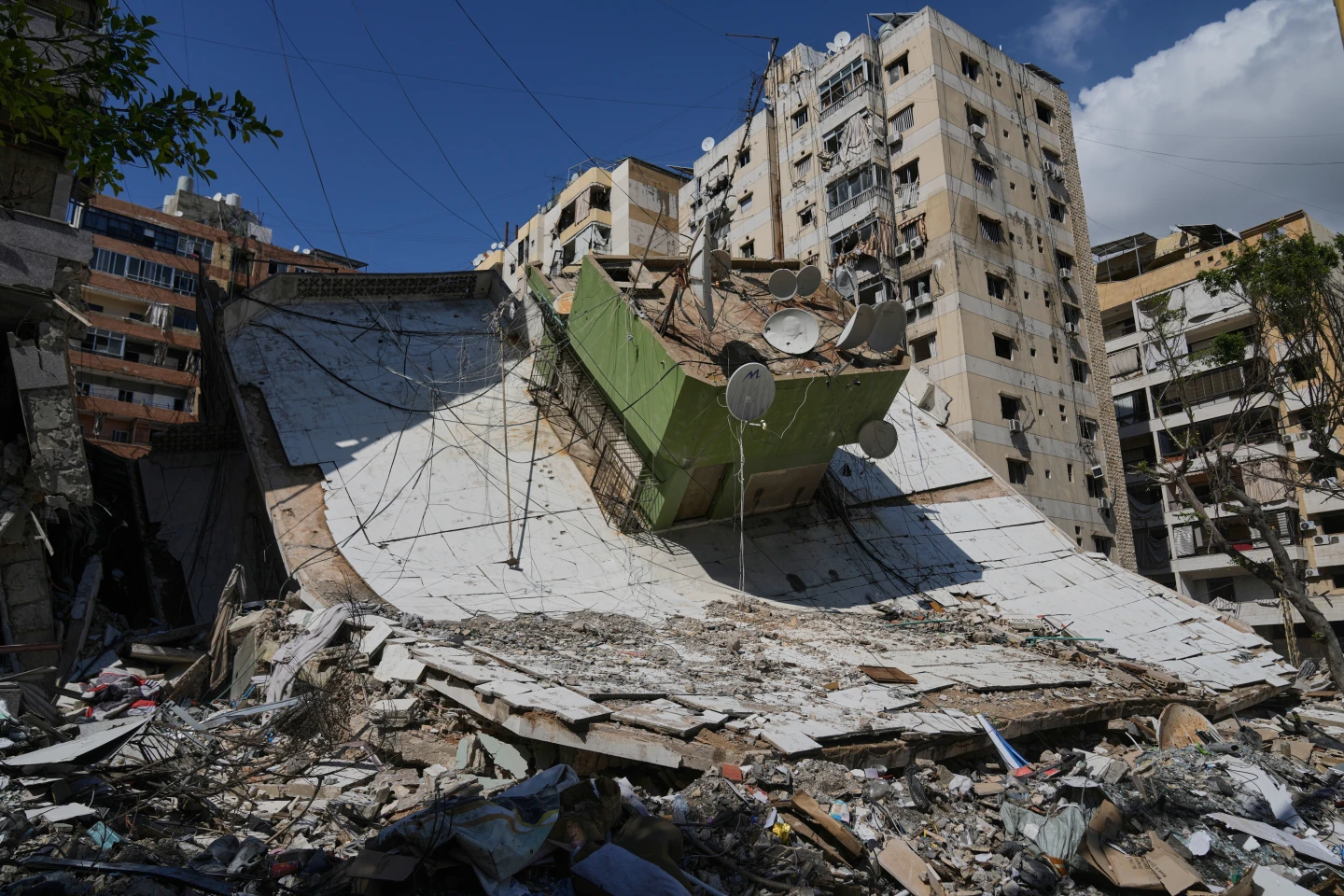
Trump vowed on Monday to destroy every bridge and power station in Iran in just four hours if a deal isn't reached by 20:00 EST (00:00 GMT Wednesday). He escalated even further on Tuesday morning, warning that a whole civilization will die if Iran doesn't agree to a deal by his deadline.
Taken together, these warnings amount to an unprecedented threat from a US president. Targeting civilian infrastructure could constitute a war crime, according to experts on international law, some of whom said Trump's threat could be construed as inciting genocide. But Trump dismissed such concerns at a press conference on Monday.
Aside from the impact on Iranian civilians, former US defence officials and other analysts said the US simply can't destroy every bridge in a country the size of Iran in such a short time.
Iran is approximately one-third the size of the continental US. The US has targeted key nuclear facilities, but likely lacks the intelligence for thousands of other targets needed for widespread attacks. Reaching such goals in the timeframe given would be an absolute herculean task.
Military experts reveal striking power plants located in three coastal provinces could inflict significant damage on Iran’s power sector. In conjunction with ongoing negotiations, Pakistan’s Prime Minister Shehbaz Sharif has asked Trump to extend the deadline, allowing interrupted diplomacy a chance.
Yet as military strikes continue, including reported US-Israeli airstrikes targeting strategic locations, the Iranian regime remains resilient, sparking doubts on whether aggressive tactics will lead to a favorable outcome. The stakes increase as the response evolves, challenging both militaristic and diplomatic avenues in this fraught landscape.