US-Israel Strikes on Iranian Infrastructure Escalate Tensions
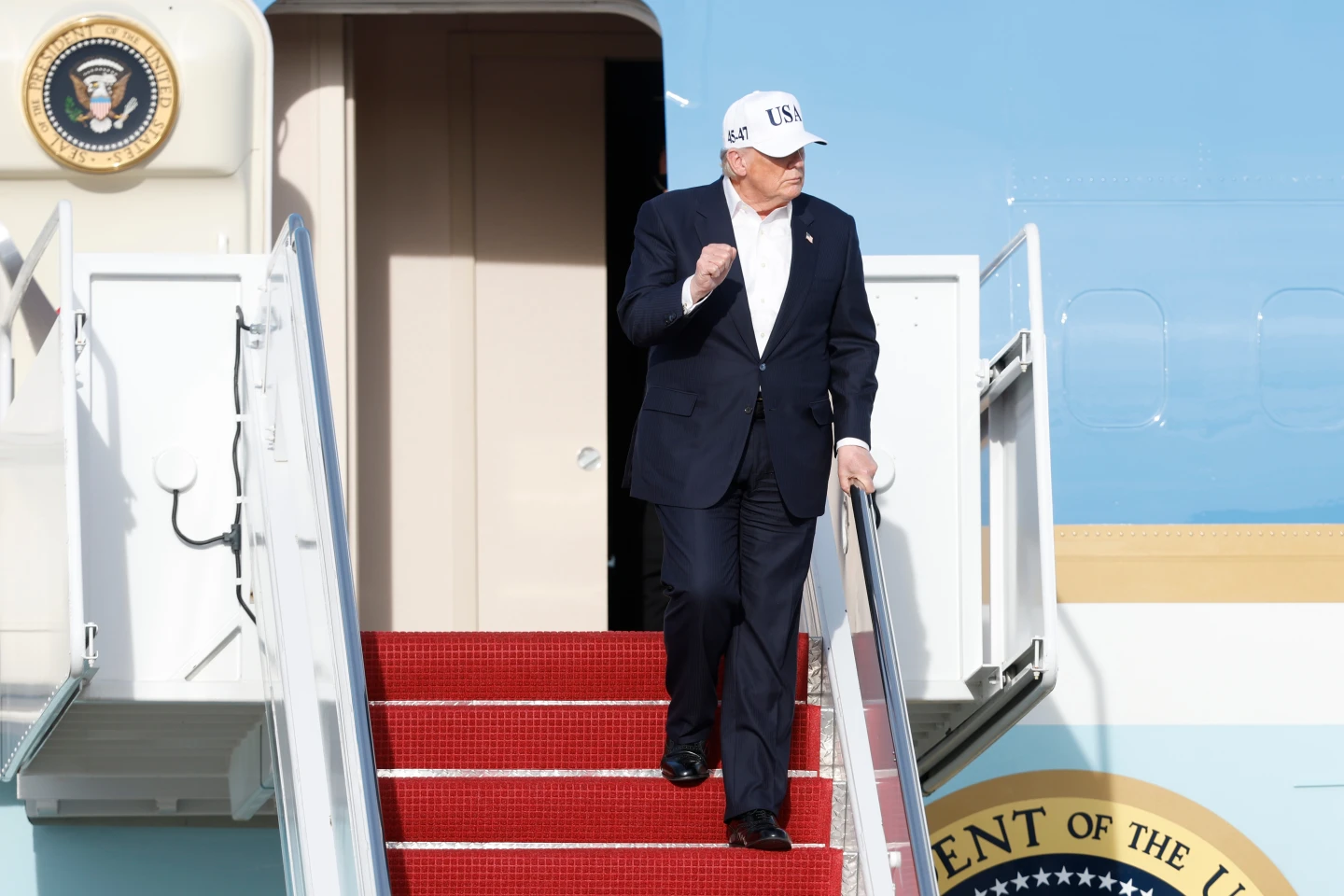
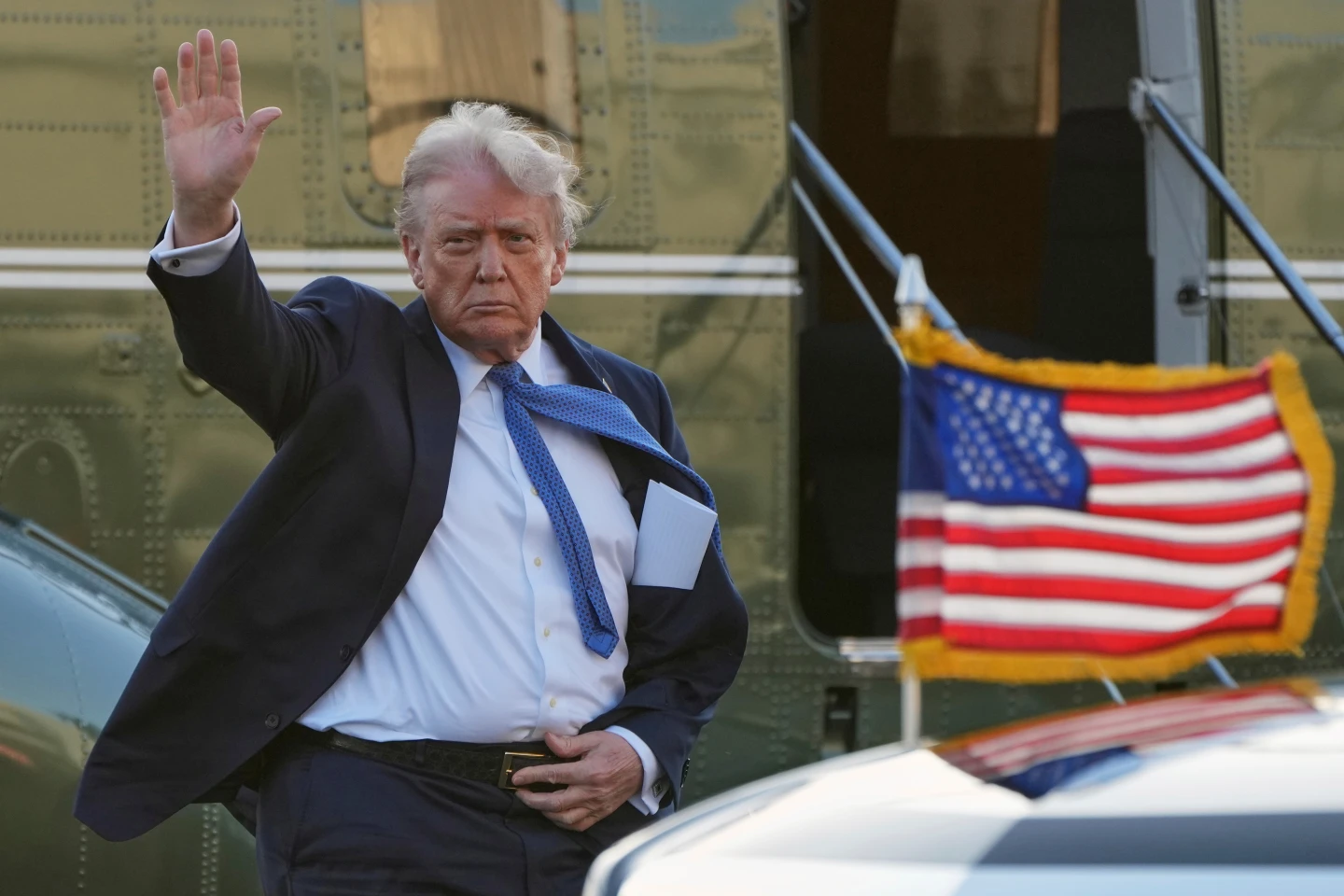
In a bold move, President Donald Trump has pledged to escalate military actions against Iran, focusing on its infrastructure unless an 'acceptable' deal is reached by a looming deadline.
Trump stated intentions to target critical sites including bridges and power plants, vowing to bomb the nation 'back to the Stone Ages' and cautioning that a 'whole civilization will die' without resolution. This rhetoric accompanies a series of strikes that have reportedly impacted amenities crucial to civilians, including schools and hospitals.
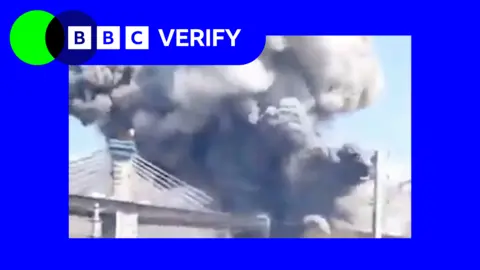
Recent reports from BBC Verify confirm at least two steel plants, three bridges, and a pharmaceutical facility have been targeted in the past two weeks, raising alarms among some US Democrats and UN officials who argue such actions may constitute war crimes.
What Civilian Infrastructure Has Been Hit?
Strikes continue to have devastating effects on civilians. A bridge in Karaj was struck, leading to fatalities and significant damage, while further attacks have hit manufacturing plants, diminishing Iran's steel capabilities significantly. Israeli Prime Minister Benjamin Netanyahu asserted that these actions have disrupted up to 70% of Iran's steel production, critically harming the nation's economy.
The implications of such strikes extend beyond economic damages. Attacks on Iran's pharmaceutical sector could undermine healthcare access during a critical period, raising additional humanitarian concerns as reports suggest substantial portions of medicines are domestically produced.
Are the Strikes War Crimes?
The discourse surrounding the legality of these strikes has intensified. Experts suggest that deliberate attacks on civilian infrastructure may violate international law if classified as disproportionate. Legal opinion indicates that harming civilians in this manner might be seen as war crimes, and there is growing concern regarding the excessive violence towards civilian targets.
Along with military and economic repercussions, there are also substantial humanitarian concerns as civilian life becomes increasingly jeopardized due to the fallout from the military operation.