In brief
A remarkable discovery in Kalasin Province brought to light Uragasaurus kalasinensis, a plant‑eating dinosaur that stood 20 metres tall. Fossils found at Phu Noi were examined by CT scanning and revealed a long neck and distinct air‑cavity bones. The species is the first member of the Mamenchisauridae family identified in Thailand, offering fresh insight into Southeast Asia’s Jurassic fauna.
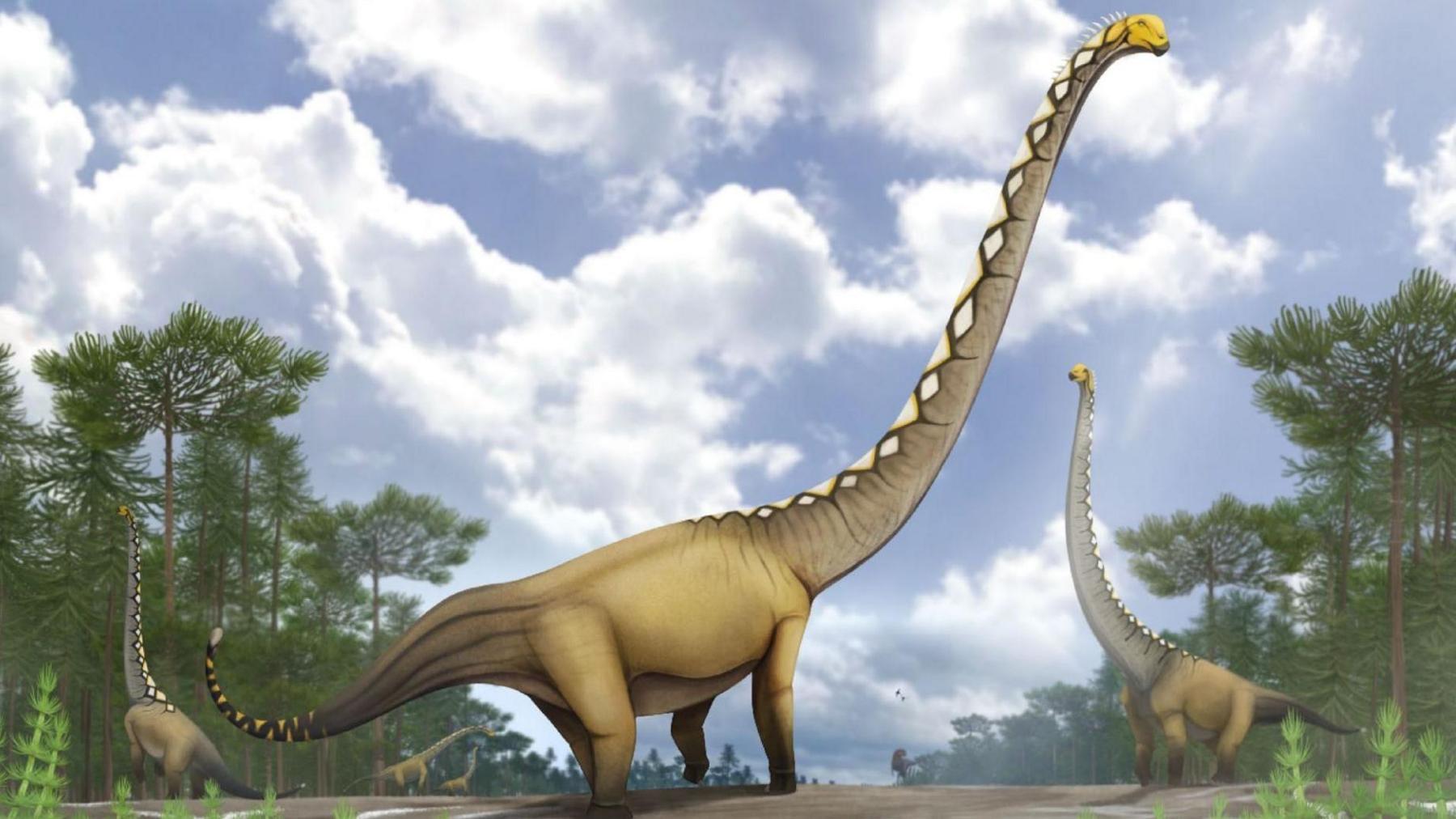
In Kalasin Province, northern Thailand, a team of palaeontologists unveiled a new dinosaur species with a neck that rivals the length of a cricket pitch. This plant‑eating sauropod, officially named Uragasaurus kalasinensis, dates back 150 million years to the Late Jurassic, when the region was a lush, shallow sea.
Measurements indicate the giant measured up to 20 metres (66 feet) in length, with a neck so long it could be pictured floating above dense foliage. The holotype, found on the Phu Noi site, consists primarily of a dorsal vertebra that displays uniquely shaped laminae and an unusual Y‑shaped air‑cavity system, characteristics that differentiate it from other Mamenchisaurids.
CT scans confirmed that U. kalasinensis belongs to the Mamenchisauridae family, a group predominantly known from China. This is the first discovery of such a species in Southeast Asia, underscoring how much of the region’s Jurassic heritage remains hidden beneath the soil.
Lead researcher Dr. Apirat Nilphanaphan shared that the dorsal vertebra was part of a large fossil collection initially spotted in 2008. “When the scan revealed the distinctive structure, I smashed my keyboard,” he exclaimed, a fitting reaction to a breakthrough that could reshape our understanding of dinosaur distribution.
Alongside the new species, other finds at the Phu Noi area include dinosaur teeth and bones ranging from Late Jurassic groves. These fossils, combined with the discovery, provide critical context for the region’s fossil record. The study has been published in the journal Nature, marking its formal entry into the scientific canon.