In brief
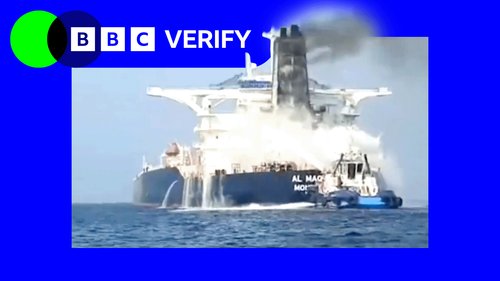
A tank of crude oil broke loose after a vessel was struck north of the Strait of Hormuz, spreading a 35‑km slick that has already reached the shores of Umm Al Quwain. UAE authorities have closed several beaches and begun containment operations to limit damage to the Gulf of Oman’s marine life. Scientists warn that the spill threatens key biodiversity areas, including coral reefs and sea‑turtle nesting sites. While the long‑term impact remains uncertain, the incident underscores the growing risk of maritime conflict in the region.
A crude‑oil tanker struck near the Strait of Hormuz has left a 35‑km slick spreading along the UAE coastline, forcing beach closures and prompting urgent cleanup.
Satellite images first appeared on Monday, pointing to a leak from a vessel matching the dimensions of the Panama‑flagged tanker Gem No.2. The ship sustained damage between 9 and 10 October during a record surge of vessel strikes by Iranian forces in the area.
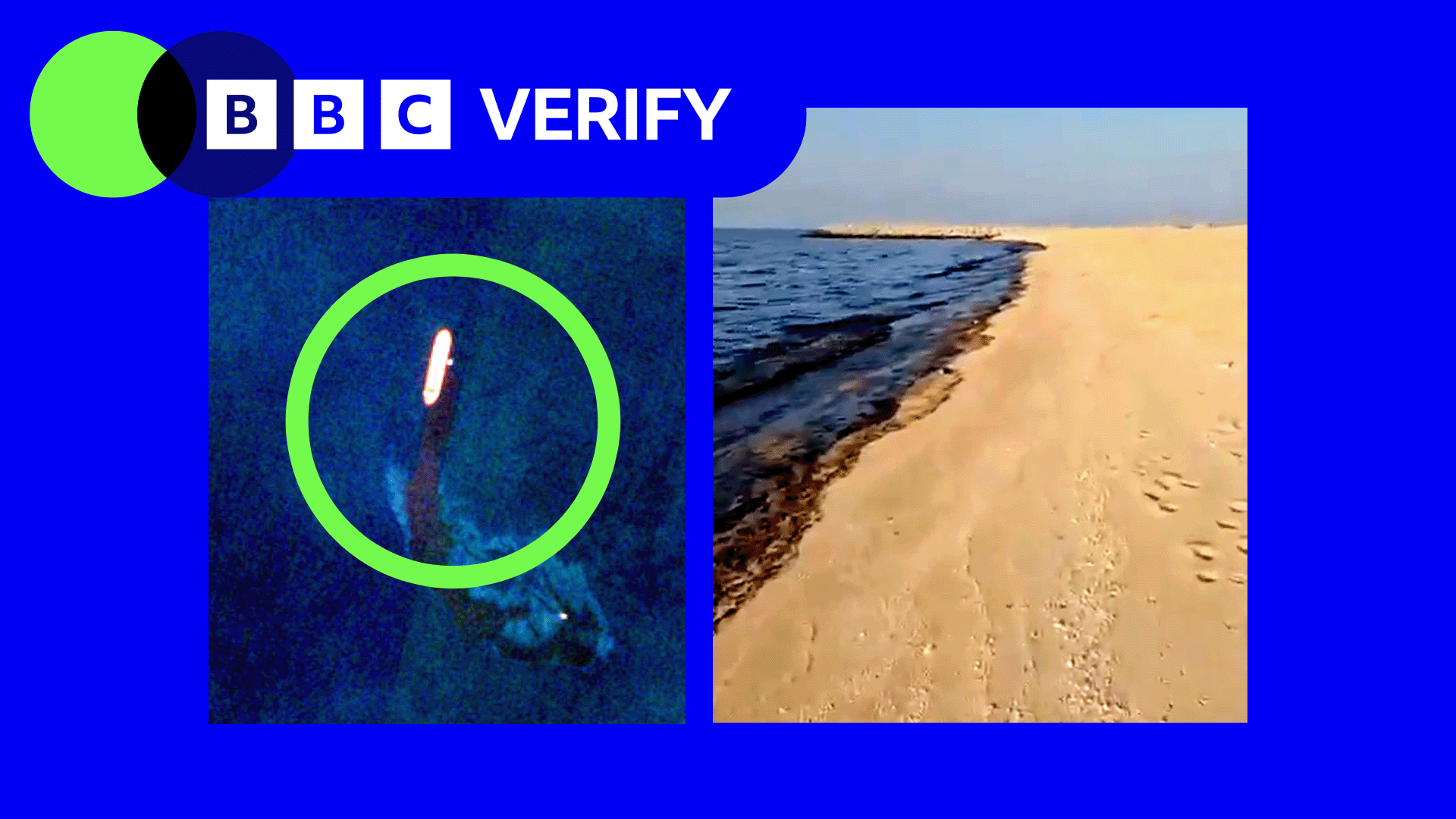
By Wednesday the slick had stretched more than 35 km (22 miles) from the original spill site, according to Copernicus Sentinel‑2 data reviewed by BBC Verify and intelligence firm MAIAR.
UAE authorities confirmed the spill was affecting beaches near the northern city of Umm Al Quwain, and footage from Friday shows black oil washing onto the shoreline, coloring the water and the sand.
The Ministry of Climate Change and Environment launched immediate containment measures to limit environmental impacts, while Prof Steve Widdicombe of the Sharjah Marine Science Research Centre warned that marine life could suffer immediate and long‑term harm. He notes that the exact damage level depends on the oil type, volume, and speed of the cleanup.
The slick extends toward Siniyah and Khor Al Beidah islands, a globally recognised Key Biodiversity Area that hosts corals, seagrasses and saltmarshes, as well as species such as green turtles and the critically endangered Halavi guitarfish. The proximity of the spill to this sensitive habitat is the most concerning environmental angle, said Eoghan Darbyshire of the Conflict and Environment Observatory.
In the wider context, the tanker was one of many vessels attacked since the start of October, part of an Iranian campaign to assert control over the Strait of Hormuz amid clashes with US forces. The incident highlights the heightened risks to maritime security and the fragile ecosystems of the Gulf region.
With cleanup efforts underway, municipalities remain on high alert, and UAE coastal authorities urge the public to avoid affected areas until a safety assessment is complete.