In brief
Kenya now has two confirmed Ebola deaths, the latest being a 65‑year‑old woman who was a close relative of the first patient. The woman died after developing symptoms while in quarantine at an isolation centre. Seven other patients, including relatives and healthcare workers, are receiving treatment. The Ministry says the cases belong to a single cluster with no evidence of community spread and that stronger border screening and public awareness are in place. The story highlights how international movement continues to fuel the outbreak in the region.
Kenya’s Ministry of Health announced that the country has now confirmed its second fatal case of Ebola. A 65‑year‑old woman, who was a close family member of the first patient, died after developing symptoms while being held in isolation at an Ebola treatment facility.
The first death occurred on 5 October when a man who had traveled from the Democratic Republic of Congo (DR Congo) contracted the virus in Nairobi and died a few days later. He had passed through Uganda’s Entebbe International Airport earlier that month. His relatives, including the woman who recently died, have been receiving care in two isolation units.
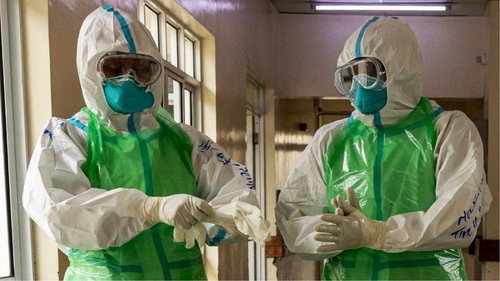
A total of seven patients are currently under treatment – three relatives of the first victim, three health workers and a hospital cleaner. The Ministry stresses that all cases belong to a single cluster with no evidence of community spread, but the situation remains under close surveillance.
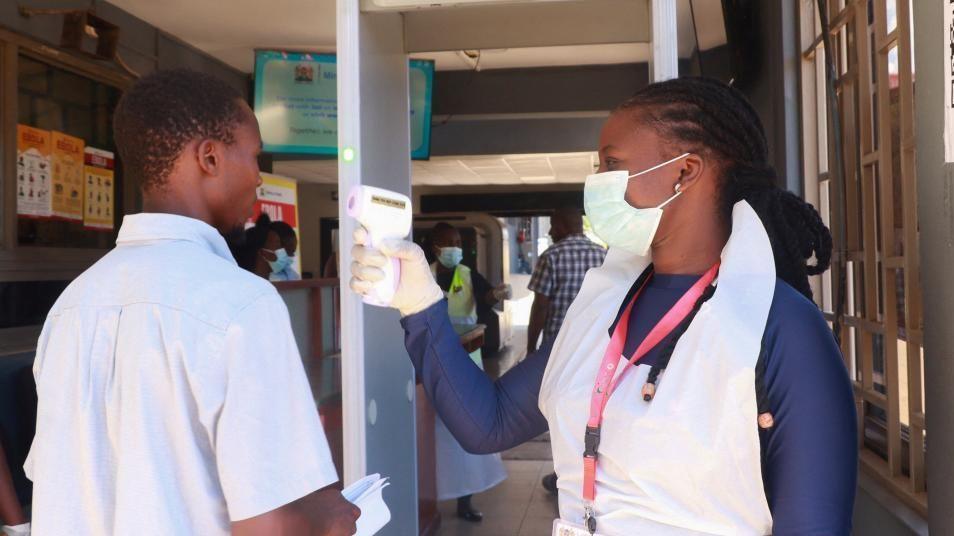
Kenya has intensified border controls, implementing temperature checks and digital surveillance forms for travelers arriving from nine high‑risk countries, including DR Congo, Uganda, Tanzania, Rwanda, Burundi, Angola, Zambia, Ethiopia, South Sudan and the Central African Republic. The country also advises citizens abroad to avoid travel to high‑risk areas.
The outbreak is caused by the Bundibugyo strain of the Ebola virus, which lacks an approved vaccine but is currently the subject of ongoing clinical trials. Health experts warn that the disease can lead to vomiting, diarrhea and organ failure, with some patients developing internal and external bleeding.
Kenya’s response includes public education campaigns, urging swift reporting of suspected cases and encouraging hand hygiene and avoidance of close contact with sick individuals. Officials also note that Nigeria’s single confirmed case is genetically linked to the strain found in Kenya, prompting further investigations into cross-border transmission.
As the region grapples with the virus, international agencies such as the International Rescue Committee remain on standby to support containment efforts.
Travellers are subject to temperature checks at Kenyan border crossing‑points.