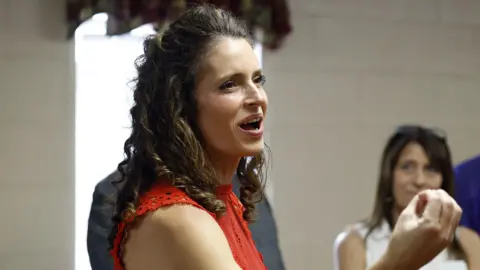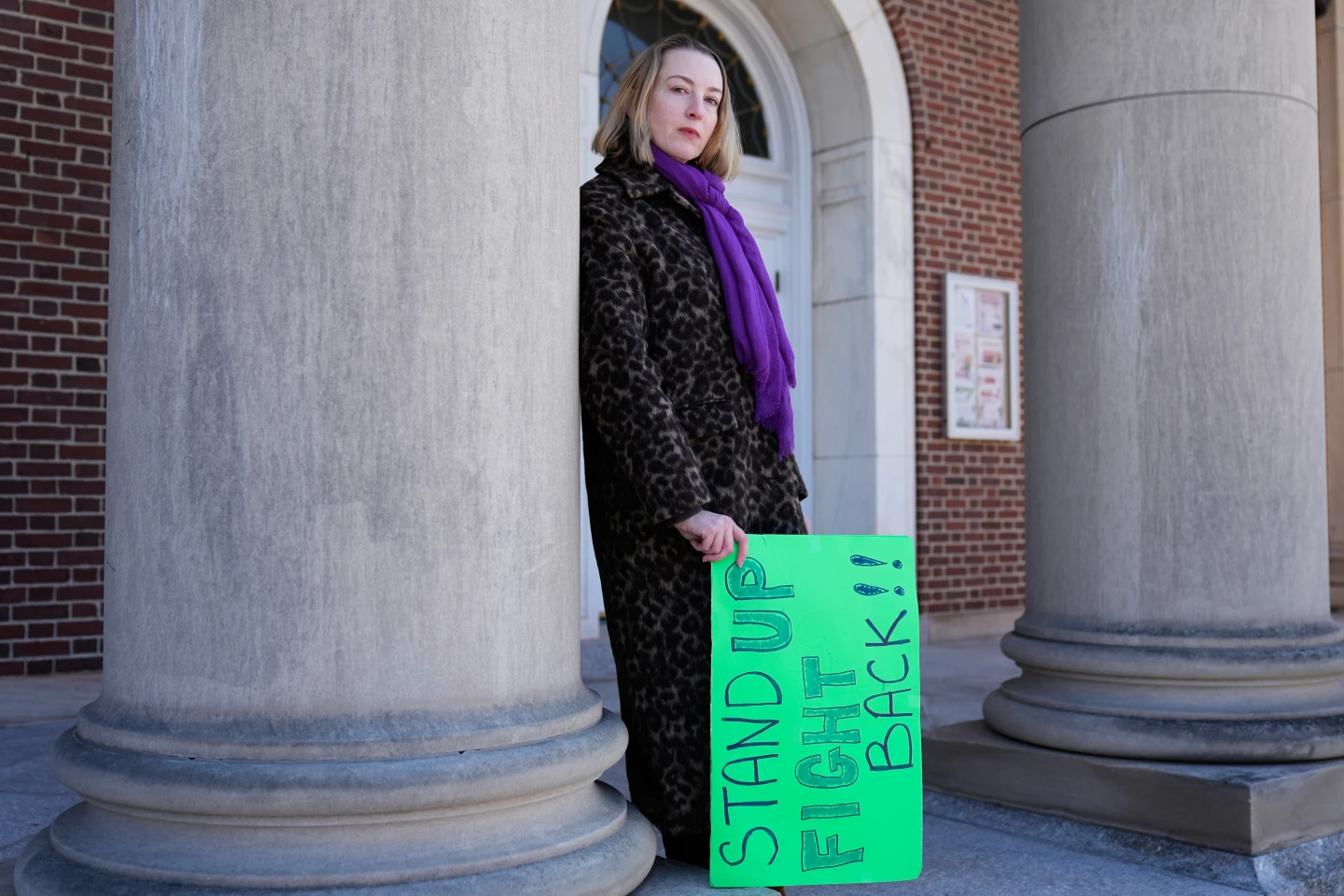
MONTCLAIR, N.J. (AP) — In a remarkable evolution, suburban individuals like Allison Posner are stepping out of their comfort zones to engage in political activism in response to President Donald Trump's policies. Posner, a 42-year-old mother from Maplewood, New Jersey, has transformed from a passive citizen to an active protestor, distributing food and support to immigrant families and leading local demonstrations amidst her busy life.
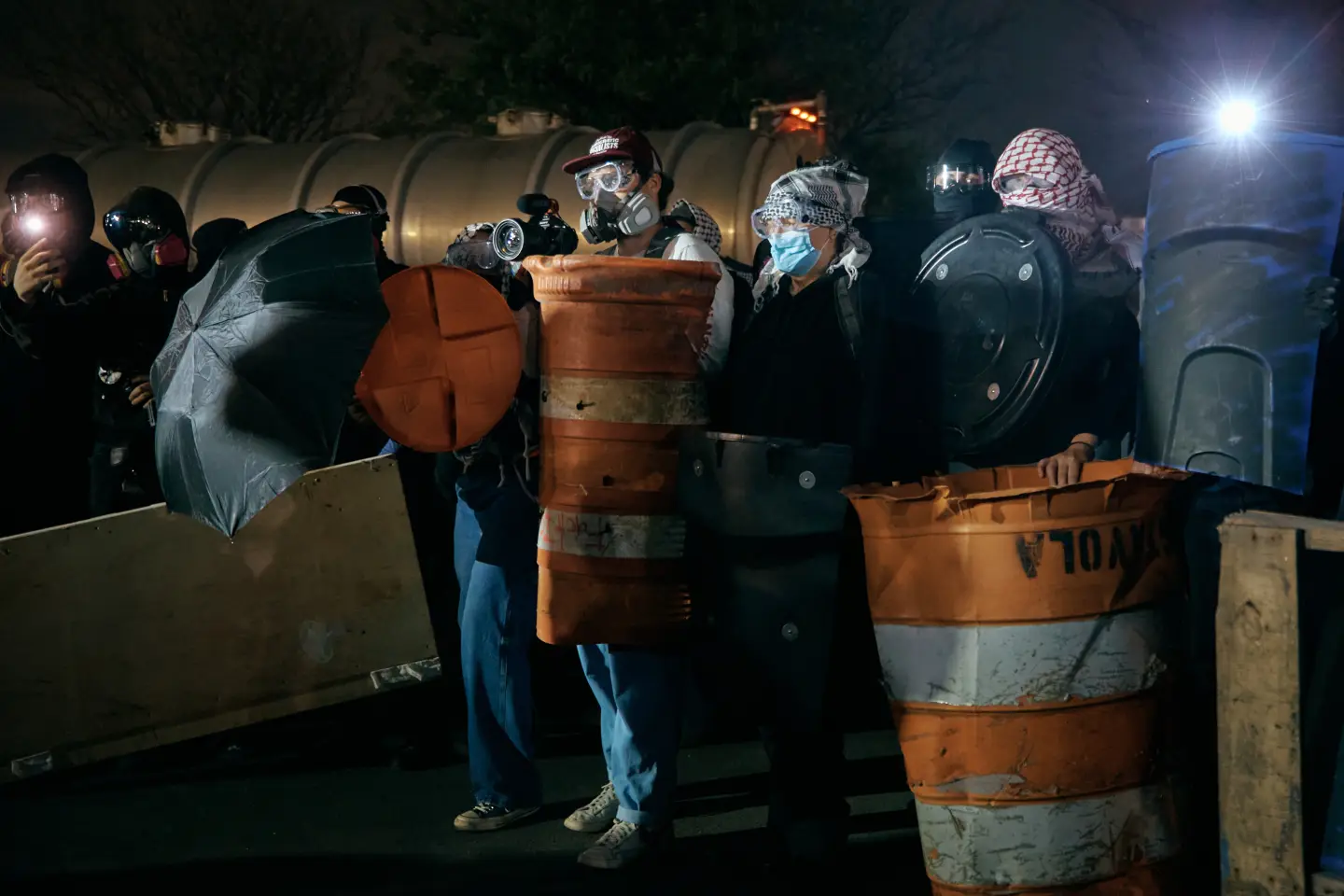
This weekend’s No Kings protest will feature thousands rallying in affluent towns and cities nationwide, representing a wave of suburban activism that diverges from the historical norm of political moderation in these areas.
Activist organization Indivisible reports that approximately two-thirds of the planned protests will occur in suburban regions, with expectations of over nine million participants nationwide. “We’re going to be everywhere,” stated co-founder Ezra Levin, signaling a massive turnout across the country.
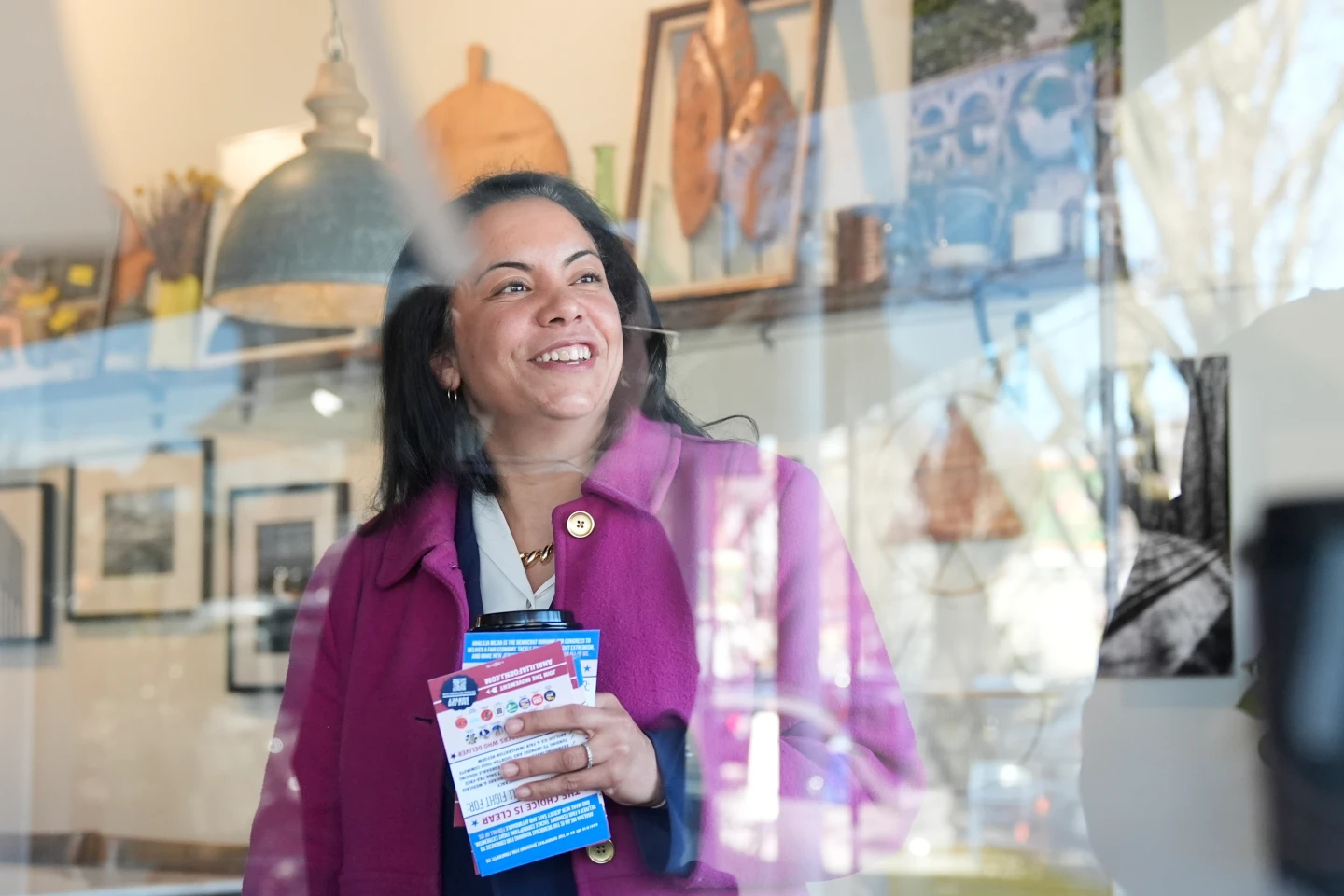
The momentum witnessed in suburban political landscapes suggests a push against the Republican stronghold, where districts like New Jersey's 11th are becoming battlegrounds for progressive ideas led by candidates like Analilia Mejia. With growing enthusiasm, community members previously indifferent to political protests are now actively seeking ways to participate in this critical movement. Posner shared, “This is not someone else’s fight. This is our fight.”
The 11th District, once dominated by Republican lawmakers, is now a focal point of change, which has inspired political candidates like Mejia, who aims to represent the concerns of her constituents amidst a backdrop of rising opposition against authoritarian tendencies attributed to the Trump administration.
As suburban America continues to evolve away from its Republican alignment towards a more radical activism, the societal fabric appears poised for transformative shifts, reshaping political landscapes and establishing new dialogues on democracy and civic engagement.