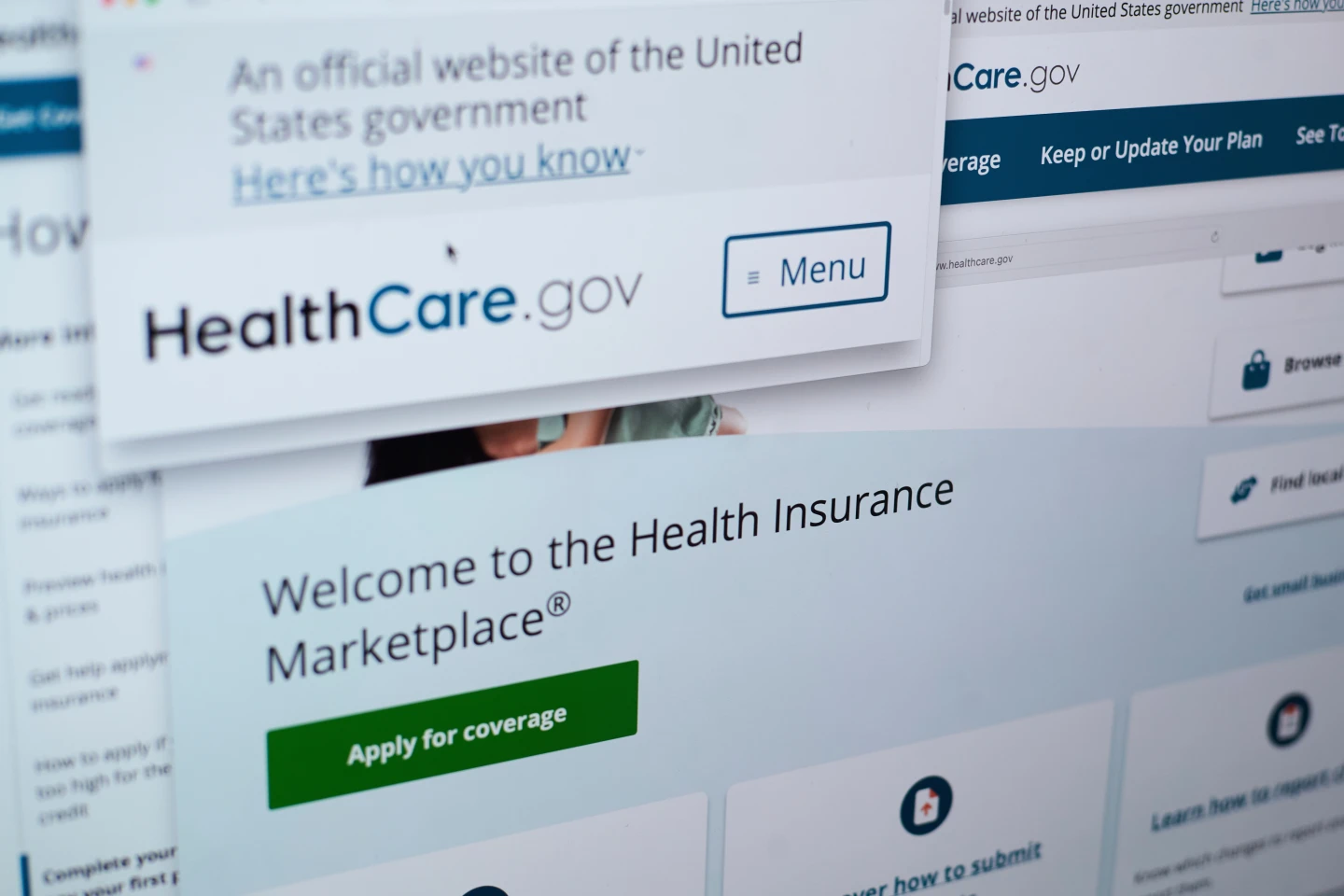
NEW YORK (AP) — Enhanced tax credits that have helped reduce the cost of health insurance for the vast majority of Affordable Care Act enrollees expired overnight, cementing higher health costs for millions of Americans at the start of the new year.
Democrats forced a 43-day government shutdown over the issue. Moderate Republicans called for a solution to save their 2026 political aspirations. President Donald Trump floated a way out, only to back off after conservative backlash.
In the end, no one’s efforts were enough to save the subsidies before their expiration date. A House vote expected in January could offer another chance, but success is far from guaranteed.
The change impacts various Americans who lack employer-provided insurance and don't qualify for Medicaid or Medicare, including self-employed individuals, small business owners, farmers, and ranchers.
Some families grapple with insurance costs that are doubling, tripling or more
The expired subsidies were originally implemented for Affordable Care Act enrollees in 2021 as a temporary measure to assist Americans during the COVID-19 crisis. They were extended, moving the expiration to the beginning of 2026.
Thanks to the expanded subsidies, some lower-income enrollees accessed health care with no premiums, while high earners paid no more than 8.5% of their income. Middle-class eligibility was also broadened.
According to KFF, on average, over 20 million subsidized enrollees are witnessing a staggering 114% increase in premium costs this year.
These price increases compound ongoing rises in health costs in the U.S., further elevating out-of-pocket expenses across numerous plans.
Some enrollees have absorbed the increase. For instance, freelance filmmaker Stan Clawson, who resides in Salt Lake City, will see his premium rise from just under $350 to nearly $500 a month. For Clawson, who lives with paralysis due to a spinal injury, this is a burden he deems necessary to bear.
Others, like single mom Katelin Provost, face even more daunting hikes, as her premium jumps from $85 to nearly $750 monthly.
Effects on enrollment remain to be seen
Experts anticipate that the expiration of subsidies will likely drive many of the 24 million total Affordable Care Act enrollees, especially the younger and healthier demographic, to forgo health insurance coverage completely.
This trend could increase costs for the remaining older and sicker population within the program.
Last September, an analysis by the Urban Institute and Commonwealth Fund predicted that around 4.8 million Americans might drop their coverage in 2026 due to higher premiums following the subsidy expiration.
However, with enrollment and plan selection ongoing until January 15 in many states, the ultimate impact on coverage remains uncertain.
Provost expressed hope that Congress revives the subsidies early in the year; otherwise, she plans to drop her own coverage but retain it for her four-year-old daughter, as the current prices are unaffordable.
Months of discussion, but no relief yet
Last year, after Republicans slashed over $1 trillion from federal health care and food assistance with Trump’s sweeping tax reform bill, Democrats continually pushed for an extension of subsidies. Although some Republicans acknowledged the need for action, they delayed voting until late in the year.
In December, the Senate dismissed two party-line health care proposals — one from Democrats to extend subsidies for three additional years and a Republican alternative favoring health savings accounts instead.
In the House, a coalition of four centrist Republicans aligned with Democrats, advocating for a vote on a possible three-year extension of tax credits, likely to happen in January. However, given the Senate's past dismissal of similar proposals, its success remains questionable.
This increasing burden on families has left many Americans feeling disconnected from their representatives. They demand better understanding and solutions that not only restore subsidies but tackle broader reforms to improve health care affordability for everyone.
“Both Republicans and Democrats have been saying for years, oh, we need to fix it. Then do it,” said Chad Bruns, a 58-year-old Affordable Care Act enrollee in Wisconsin. “They need to address the root causes, which no political party ever does.”