In brief
Nurses from the New York State Nurses Association, after nearly a month of striking over staffing, pay, and security concerns, announced a tentative agreement with Montefiore and Mount Sinai hospitals. The agreement includes a 12% pay raise over three years and improved workplace protections. Votes on ratification are set for this week, while negotiations continue at NewYork Presbyterian.
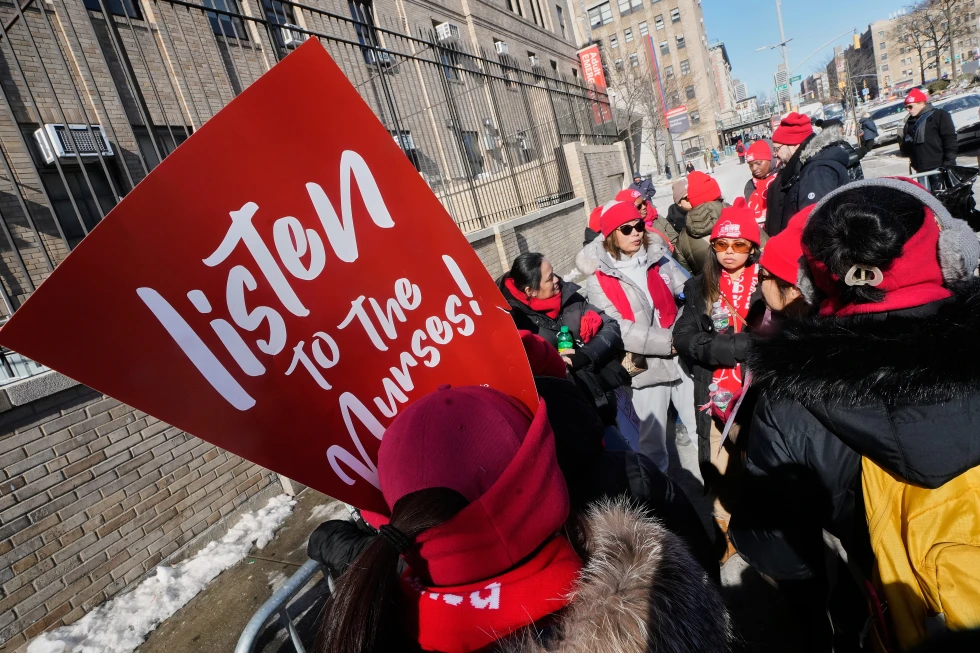
NEW YORK — Nurses and two major hospital systems in New York City have struck a deal to halt a nearly monthlong strike related to crucial issues such as staffing levels, workplace safety, and health insurance benefits.
The settlement was revealed on Monday by the union representing the nurses, specifically concerning the Montefiore and Mount Sinai hospital systems, while the walkout persists at New York Presbyterian Hospital.
The strike began on January 12, coinciding with a particularly demanding flu season, forcing hospitals to employ numerous temporary nurses to fill the gap.
Nurses from Montefiore and Mount Sinai are expected to vote on the contract agreement this week before deciding whether to return to work.
The affected deal impacts around 10,500 nurses, part of a larger group of 15,000 involved in the strike across several major private hospitals.
Nancy Hagans, president of the New York State Nurses Association, emphasized the dedication of nurses who braved adverse weather conditions to advocate for safe patient care. She noted they would return to work proudly.
The proposed contract outlines a 12% pay increase over its term, while retaining existing health benefits without incurring additional costs for the nurses.
Moreover, it includes new protections against workplace violence, provisions for specific demographic safety (such as for transgender and immigrant nurses and patients), and regulations concerning the use of artificial intelligence in hospital settings.
Nurses at these hospitals will begin voting on the tentative contract on Monday. If ratified, they are set to return to their duties by Saturday.
Meanwhile, New York Presbyterian announced a mediator's proposal acceptance, which includes wage increases and the preservation of health benefits, although the strike remains effective at their facilities.
While the hospitals claimed operations continued smoothly during the strike with high-priority procedures seemingly unaffected, many elective surgeries were postponed, and patient transfers and discharges occurred in advance of the work stoppage.
The ongoing issues include excessive workloads and staffing shortages, particularly as nurses reported feeling overwhelmed. Hospital executives argue that current salaries approach $162,000 to $165,000 annually, not accounting for benefits.
Advocates for the nurses, including political figures like U.S. Senator Bernie Sanders, contend that hospital executives receive excessive compensation, further underscoring the financial disparities within the healthcare system.
Not all hospitals within the affected healthcare systems were involved in the strike, but numerous private facilities reached last-minute agreements with the nurse union.
This is not the first strike for nurses in this region, as previous action last year saw successful negotiations that significantly raised salaries and established enforceable staffing improvements.