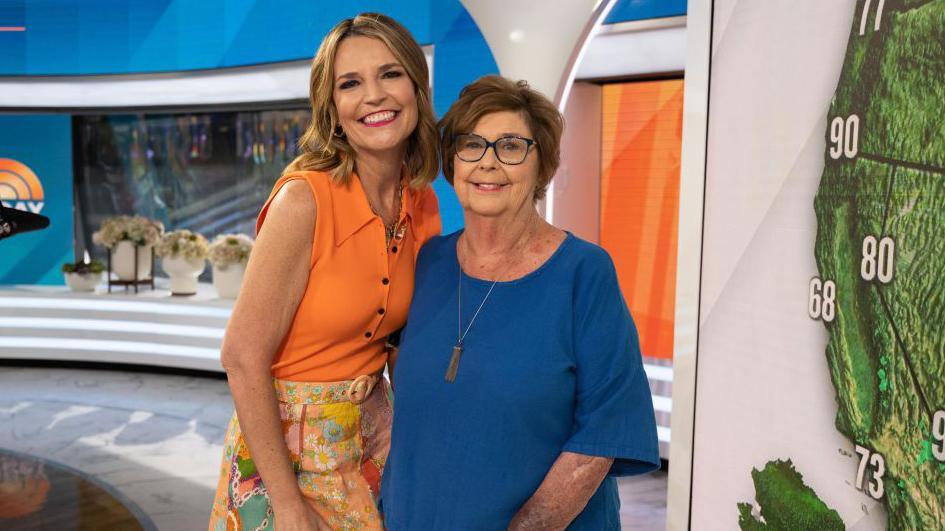
In a disturbing reminder of how far technology has advanced, Savannah Guthrie made an emotional plea for evidence of life from the kidnapper of her 84-year-old mother. Highlighting a troubling trend, Guthrie noted the increasing prevalence of digital manipulation, stating, 'We live in a world where voices and images are easily manipulated.'
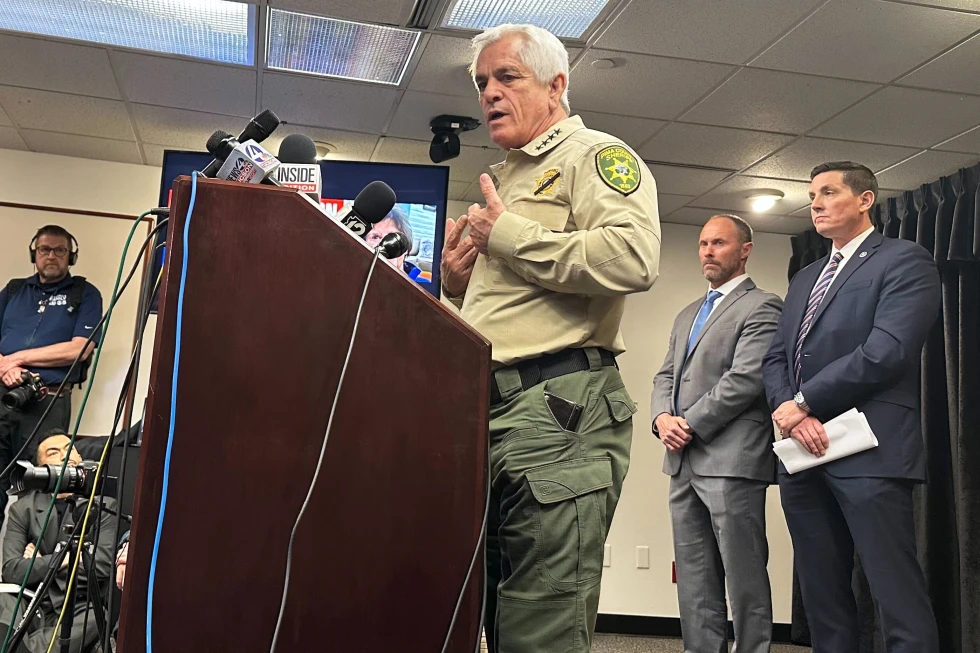
As artificial intelligence tools proliferate, the definition of 'proof of life' has morphed. According to FBI Chief Heith Janke, traditional visual evidence like photos or videos can no longer be simply trusted for authenticity. 'With AI these days you can make videos that appear to be very real,' he explained during a news conference on Thursday.
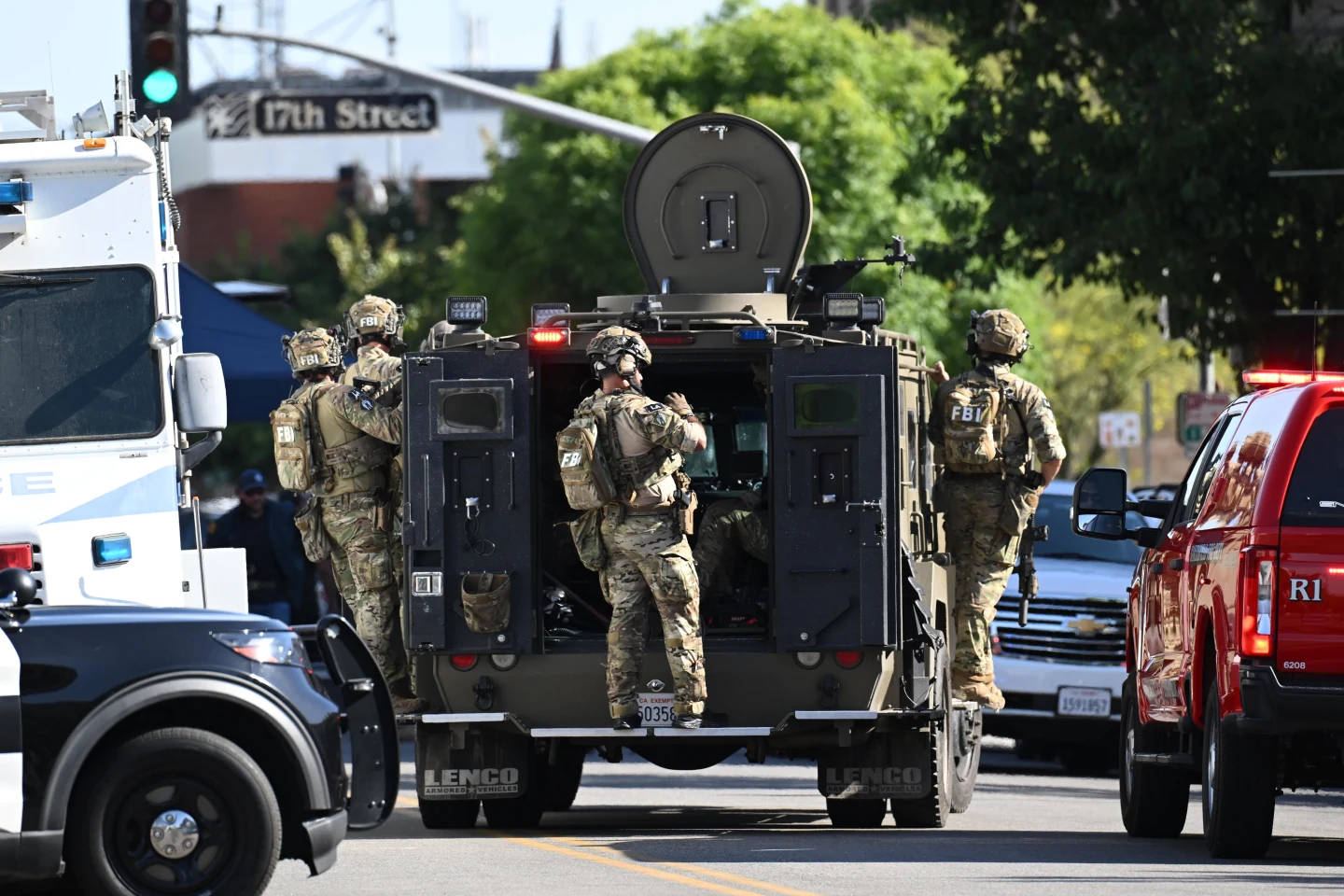
Challenges posed by high-tech hoaxes have continuously pressured law enforcement, especially in high-profile cases like the disappearance of Nancy Guthrie, which occurred last weekend in Tucson. The FBI has already cautioned that impersonators can offer seemingly legitimate photos or videos to solicit ransom demands.
Despite the introduction of advanced digital techniques, the investigation surrounding Nancy’s disappearance is ongoing. No suspects have been identified, but investigators believe she may still be alive. Meanwhile, a Californian man has been charged for attempting to contact the Guthrie family for bitcoin—though there’s no evidence linking him to the kidnapping.
As Savannah Guthrie connected with the public through an emotional video message, she expressed that the family was 'ready to talk' but needed assurance that their mother was safe. Experts suggest this direct engagement could be an effective tactic in negotiations with kidnappers.
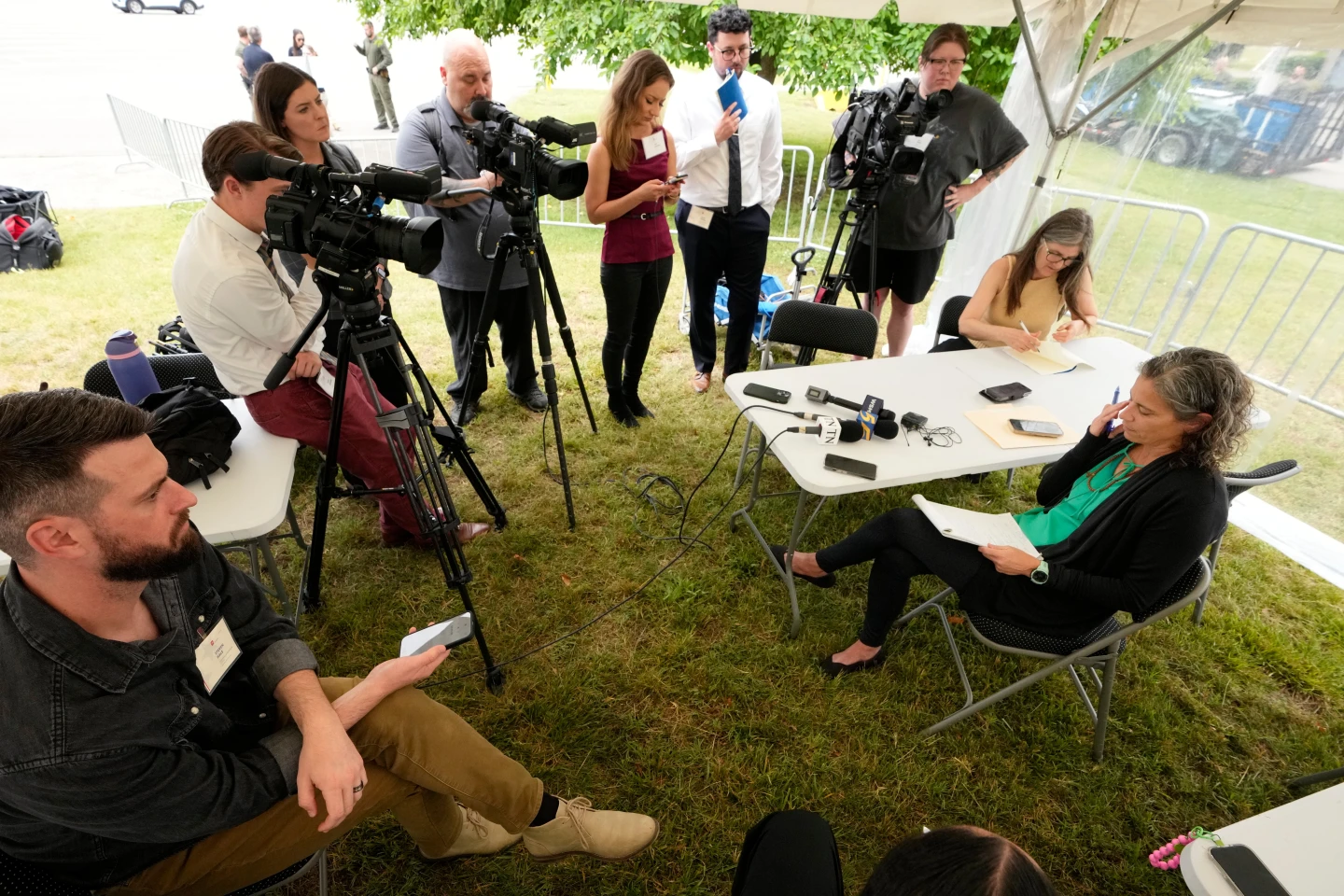
Former FBI agent Katherine Schweit noted the evolution of ransom tactics, emphasizing the need for modern investigative techniques to keep pace with technological advancements. Monitoring digital communications and addressing the kidnapping suspect directly requires careful consideration and thorough analysis to ensure the best outcome.