Press freedom is facing severe challenges in 2025, with a disturbing increase in violence against journalists worldwide. By early December, the number of media professionals killed rose to 126, equal to the total for all of 2024. This includes significant fatalities in conflict zones, with Israel's bombardment of Gaza alone accounting for 85 deaths, predominantly among Palestinian journalists.
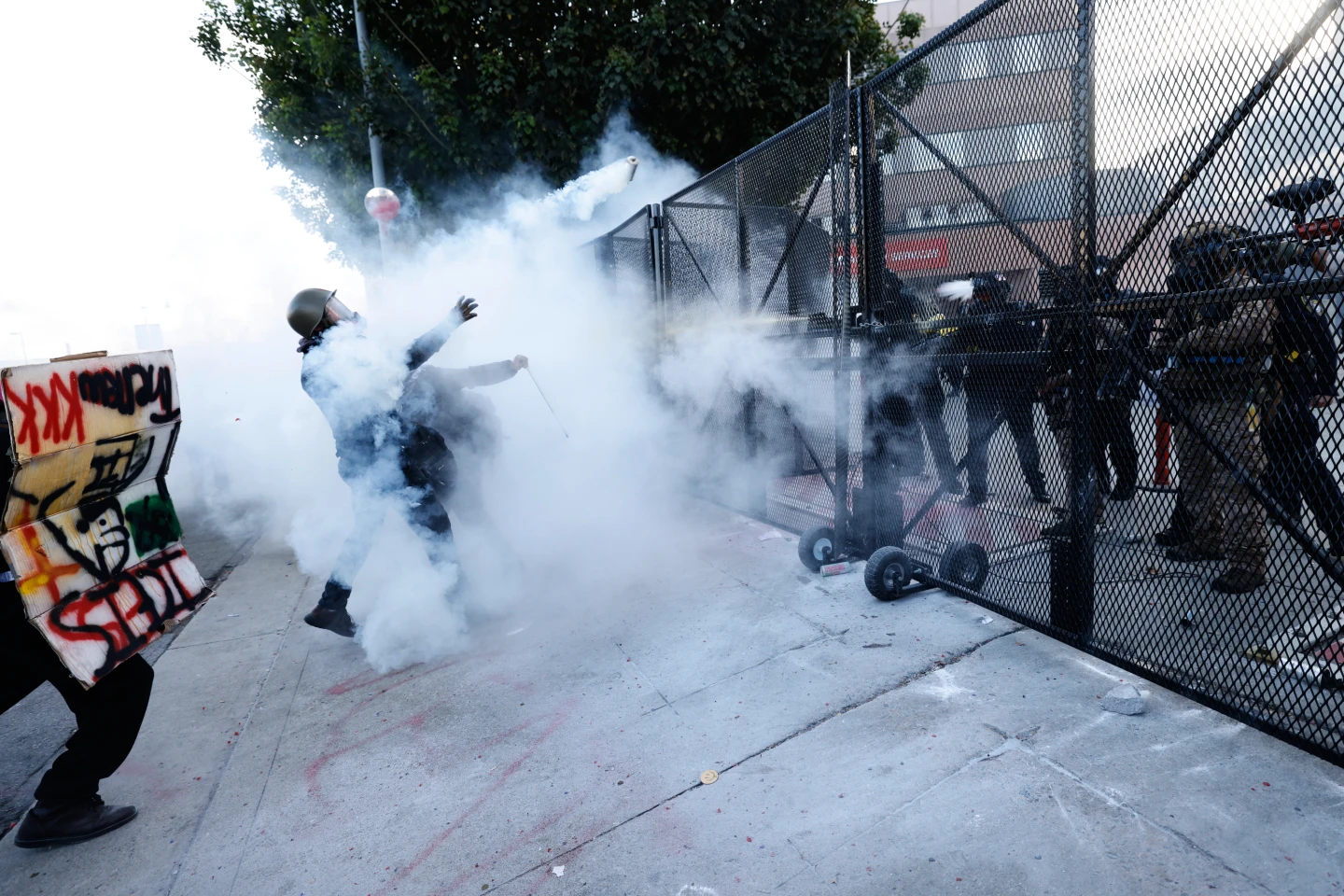
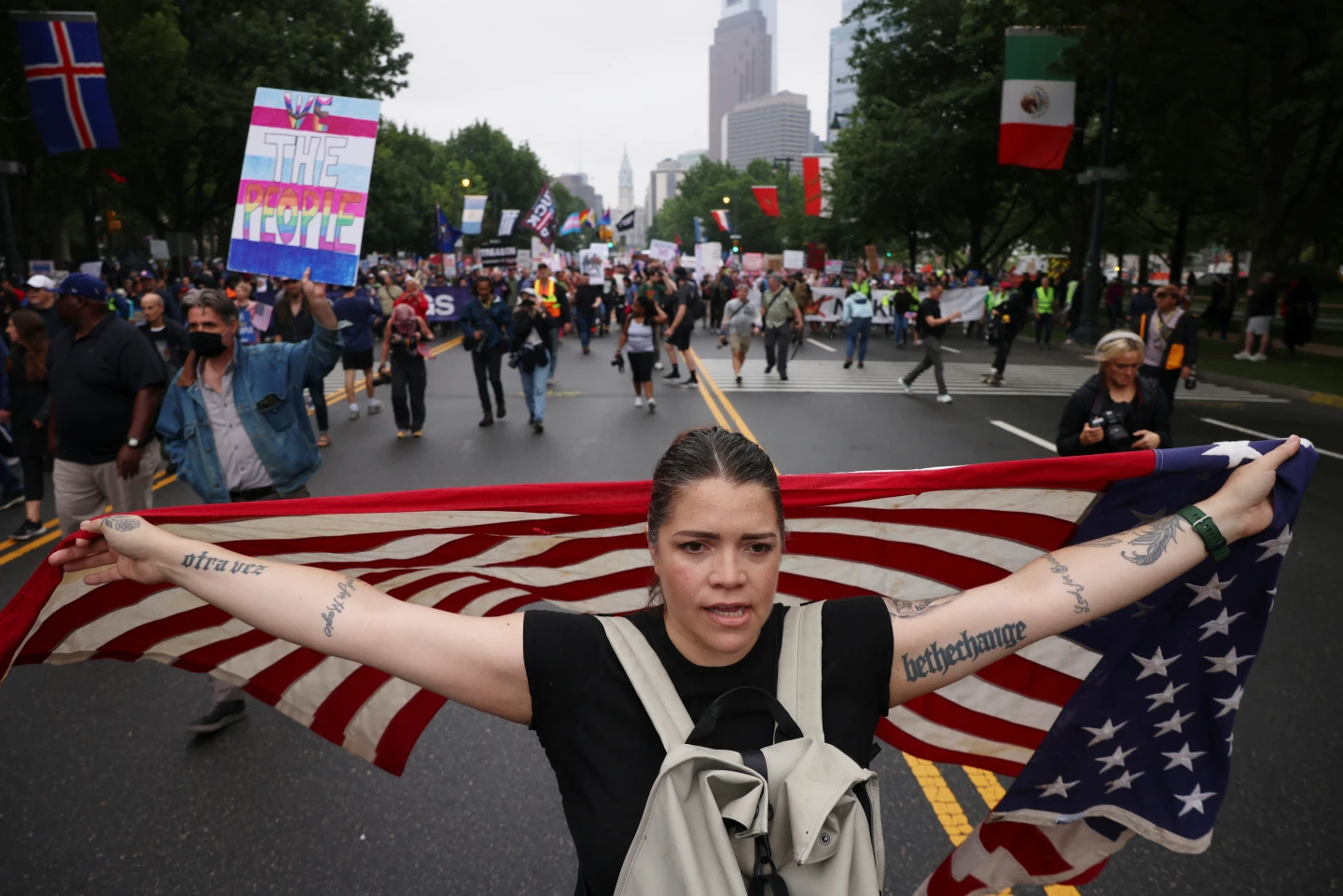
Tim Richardson, director of journalism and disinformation at PEN America, states, This assault on the press has likely been the most aggressive we’ve seen in modern times. The United States has not escaped this trend, with over 170 reports of journalist assaults in 2025, primarily from law enforcement. Many of these incidents were linked to the coverage of immigration enforcement operations.
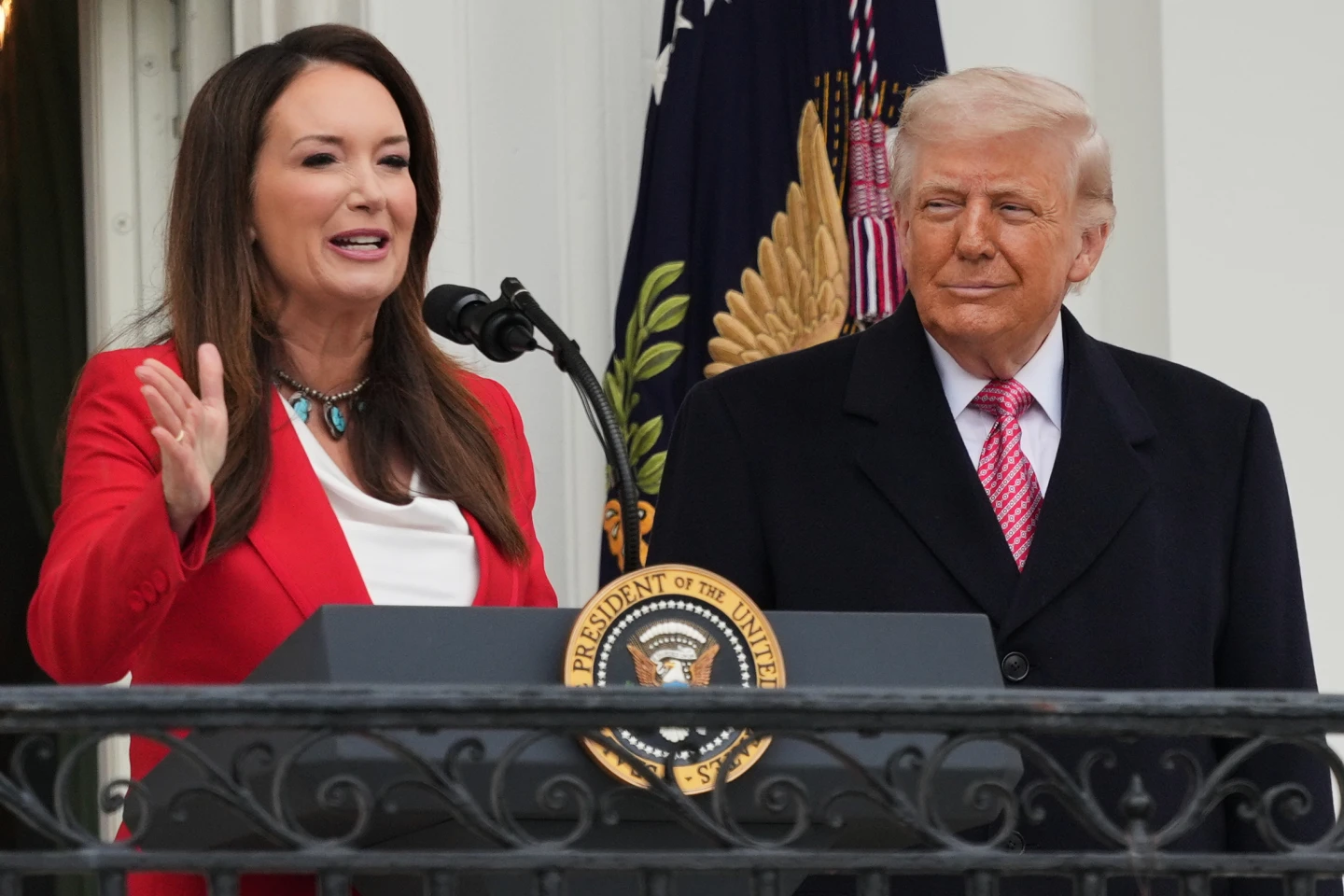
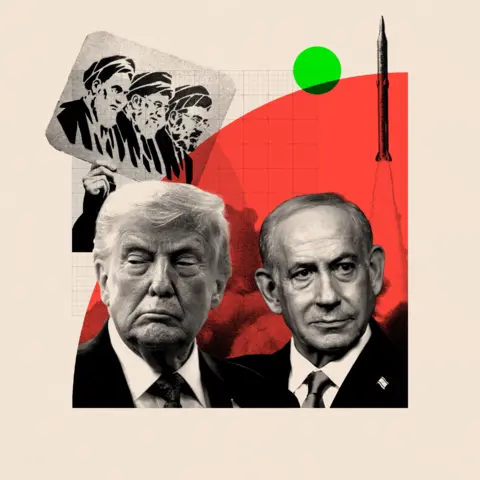
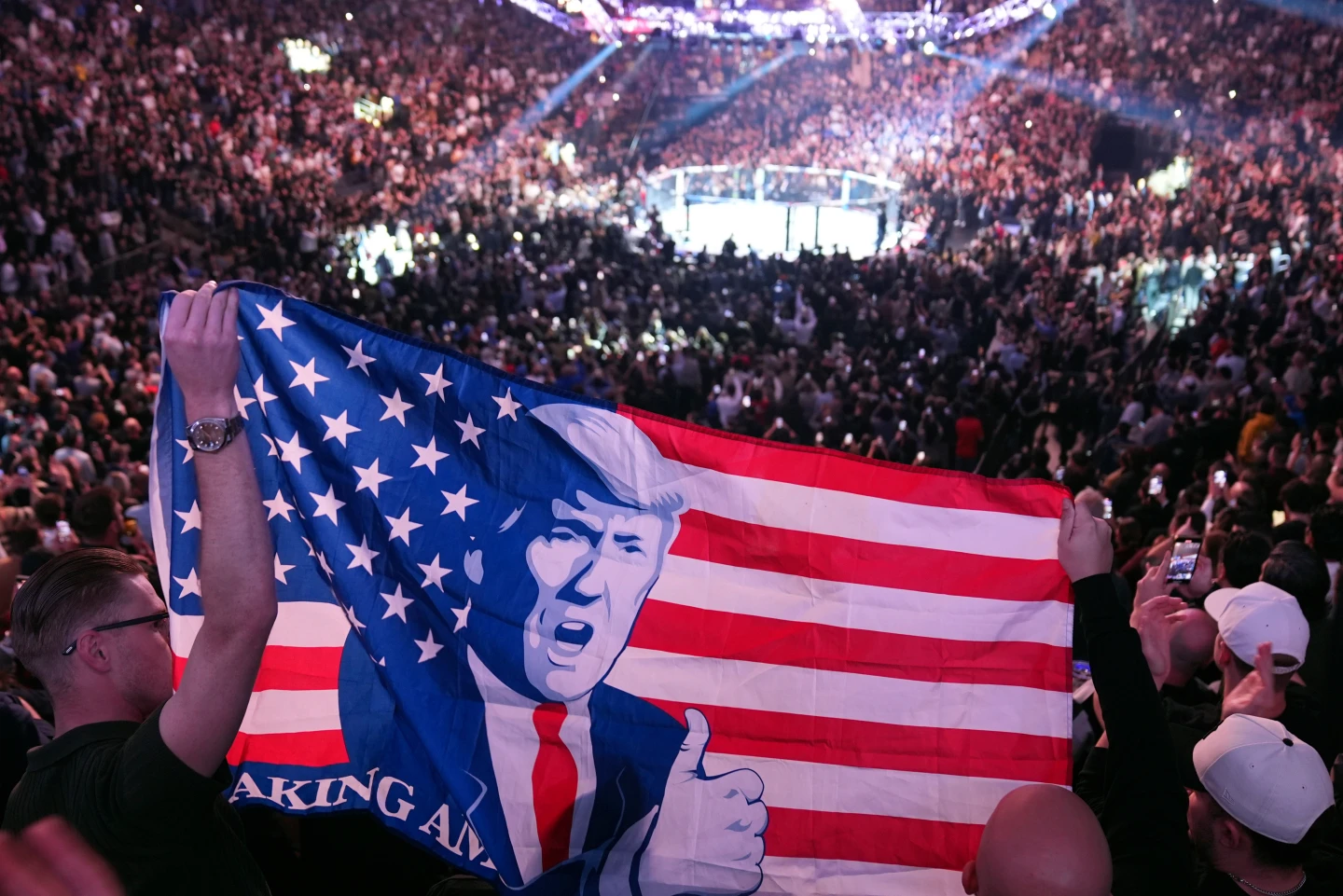
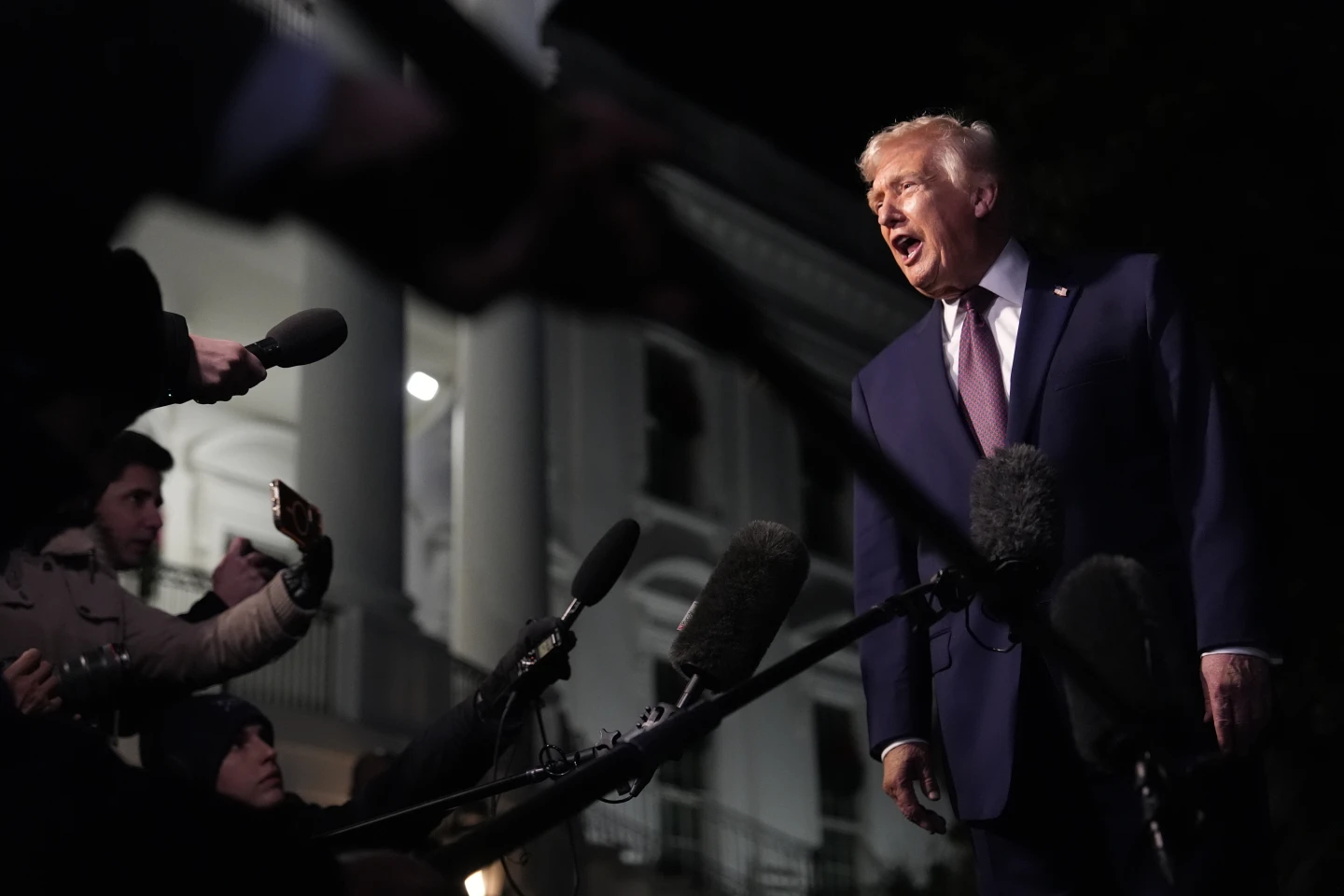
At the forefront of this increase in violence is the atmosphere fostered by the current U.S. administration. President Donald Trump has publicly attacked the media while simultaneously limiting access to reporters. His confrontational stance has raised alarm among press freedom advocates, leading many to fear for the safety and effectiveness of journalistic practices.
According to the Committee to Protect Journalists, there are currently over 323 journalists imprisoned globally, highlighting a troubling pattern of oppression against those tasked with holding power accountable. Jodie Ginsberg, CEO of the Committee, emphasizes the dire situation: The failure to tackle journalists’ killings creates an environment where those killings continue. Impunity breeds impunity. This sentiment echoes across the industry as press operations increasingly find themselves under siege.
In response, independent journalism organizations are emerging, hinting at a flicker of hope in an otherwise bleak landscape. The Baltimore Banner and Outlier Media are examples of such entities gaining traction in serving communities lacking viable news sources. Ginsberg and others urge the importance of supporting a free press to ensure transparency and accountability in governance.
While public perception of journalists remains fraught—often viewed with skepticism—experts like Axios CEO Jim VandeHei argue for recognition of the media's essential role. Over time, people will hopefully come to their senses and say, 'the media, like anything else, is imperfect but it’s a nice thing to have a free press.' As the battle for press freedom continues, it underscores an urgent need for societal recognition of journalism as a cornerstone of democracy.