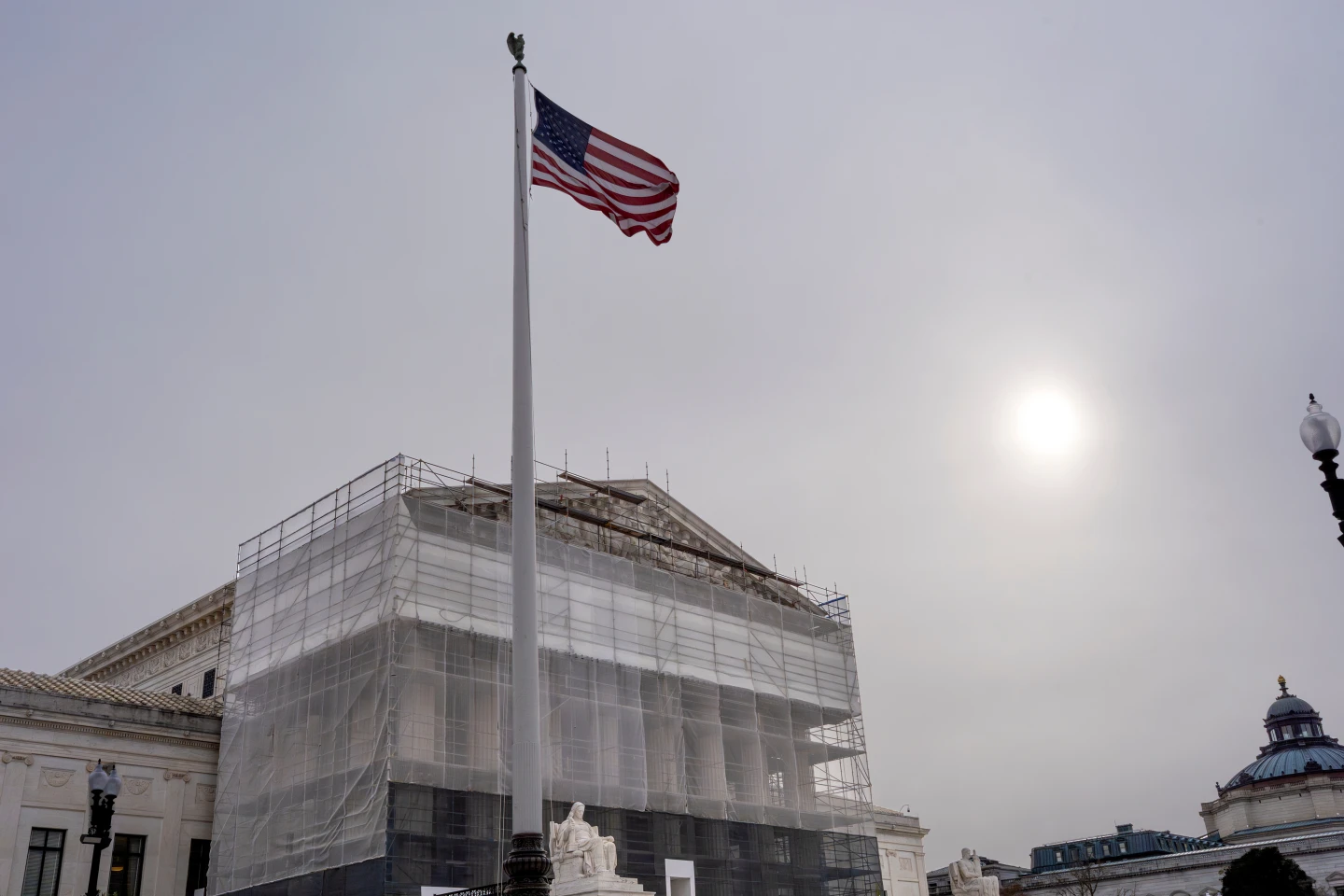
If history is a guide, Republicans stand a good chance of losing control of the House of Representatives in 2026. They currently have a slim majority in the chamber, and the incumbent party typically loses seats in midterm elections.
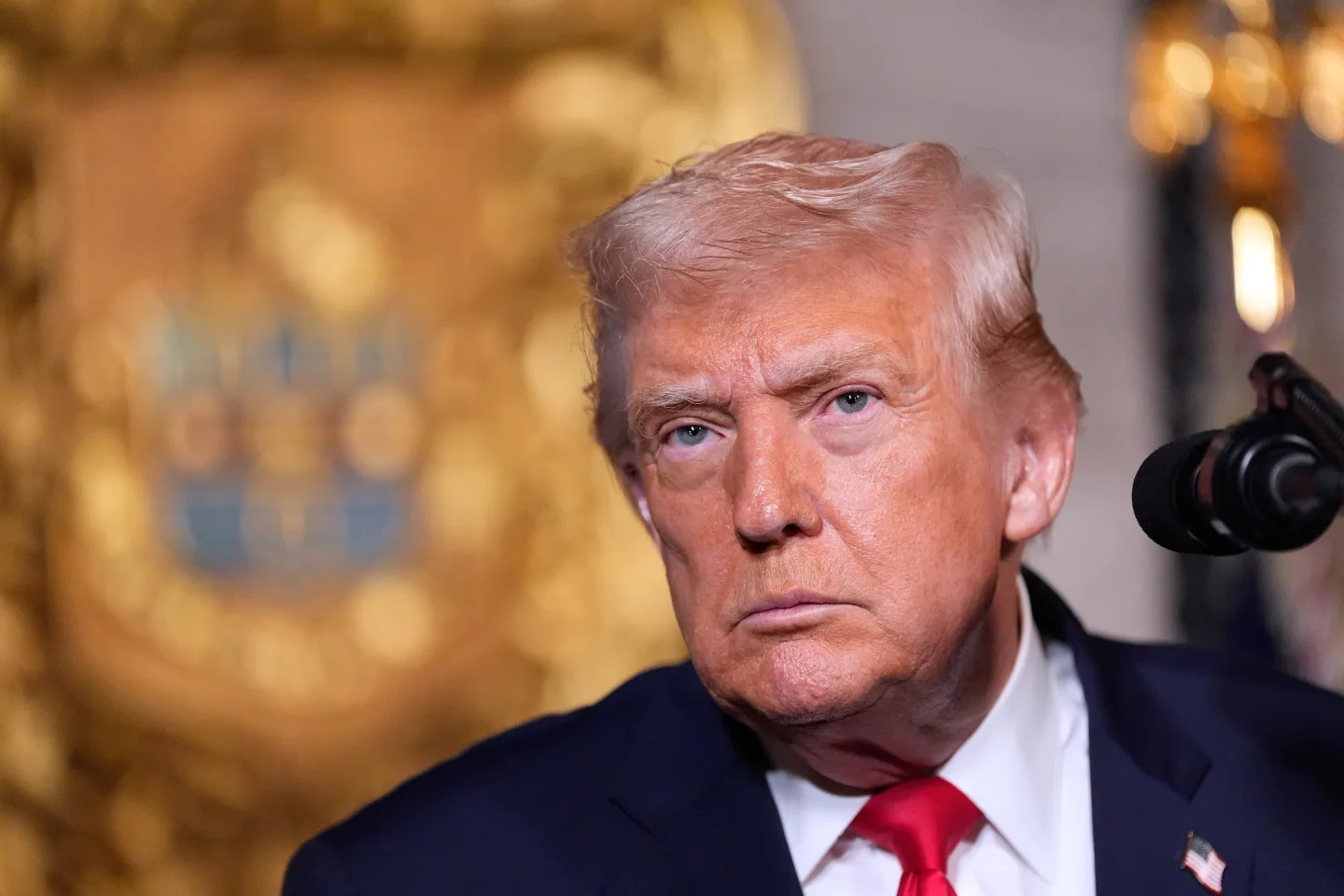
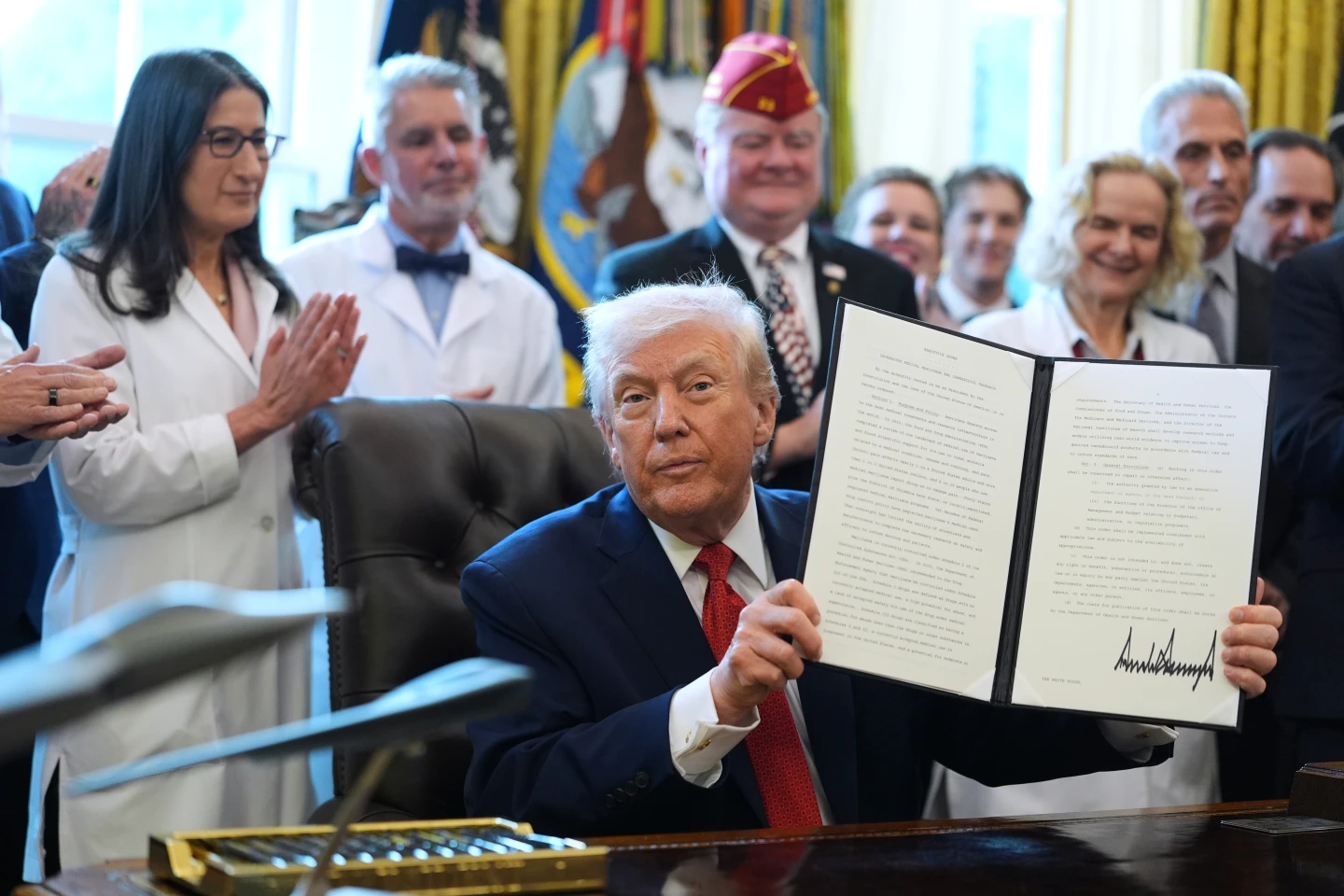
President Donald Trump is attempting to prevent history from repeating by employing tactics that some opponents claim are manipulative. He has rallied party members to remake congressional maps across the country to establish more conservative-leaning House seats, a strategy that could potentially backfire. Additionally, Trump has directed his administration to target Democratic politicians, activists, and donors, raising concerns about unprecedented administration intervention in midterm elections.
Critics highlight Trump’s past actions where military forces were sent into Democratic cities against the wishes of local officials, and they warn that a Republican-majority Congress might fail to recognize winning candidates if the Democrats reclaim the House. This sentiment recalls Trump’s attempts to retain power after the 2020 election results.
Democrats, including DNC Chairman Ken Martin, express fears that deploying troops will lead to voter intimidation—if individuals are afraid to leave their homes, voting turnout may suffer. Previous elections have not seen significant disruptions, but the threats of military presence at polling places loom in the backdrop as they strategize for upcoming elections.
White House officials brush off these allegations as fearmongering, claiming Democratic leaders are using them to bolster their chances in upcoming presidential campaigns. However, DNC members remain vigilant, filing public records requests to monitor any planned military actions during the elections.
The control of elections lies with individual states, and even with persuasion tactics, Trump's room for intervention is limited. Legal experts caution that while the potential for interference exists, the recent political landscape indicates some resistance against his demands.
As campaigns kick into high gear, the conversation shifts to 'voter protection' versus 'election integrity,' with both parties mobilizing to ensure their electoral agendas are maintained.