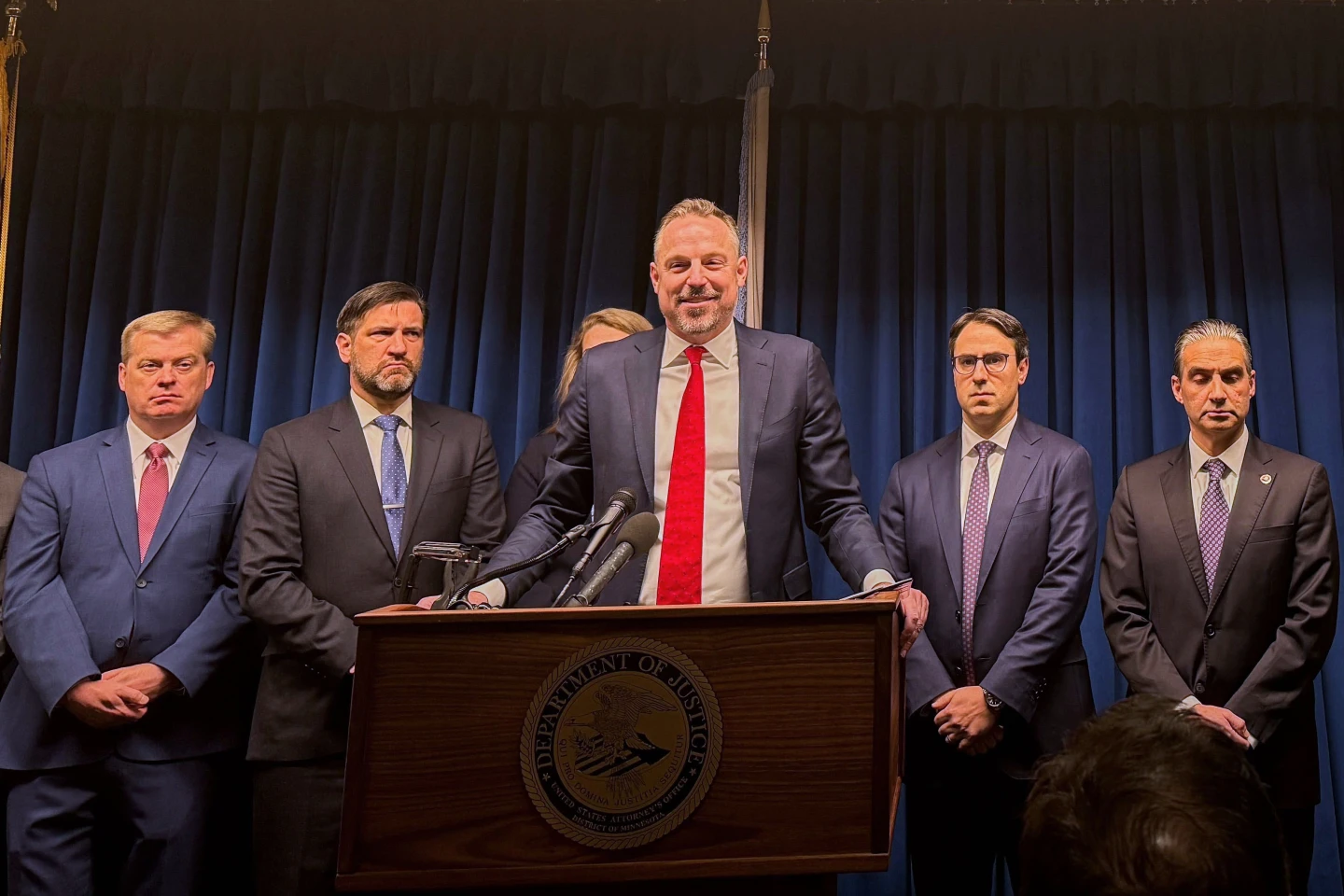
MINNEAPOLIS (AP) — Minnesota's Medicaid system is under fire as at least 14 state-run programs have been flagged for fraudulent activity, according to a recent announcement by U.S. Attorney Joe Thompson. He revealed during a press conference that a significant portion of the $18 billion allocated to Medicaid programs may have been misappropriated.
Thompson described the situation as a systemic problem, suggesting that it involves more than just isolated incidents of fraud. What we see in Minnesota is not a handful of bad actors committing crimes, it’s swamping Minnesota, he stated, emphasizing the urgency of the matter.
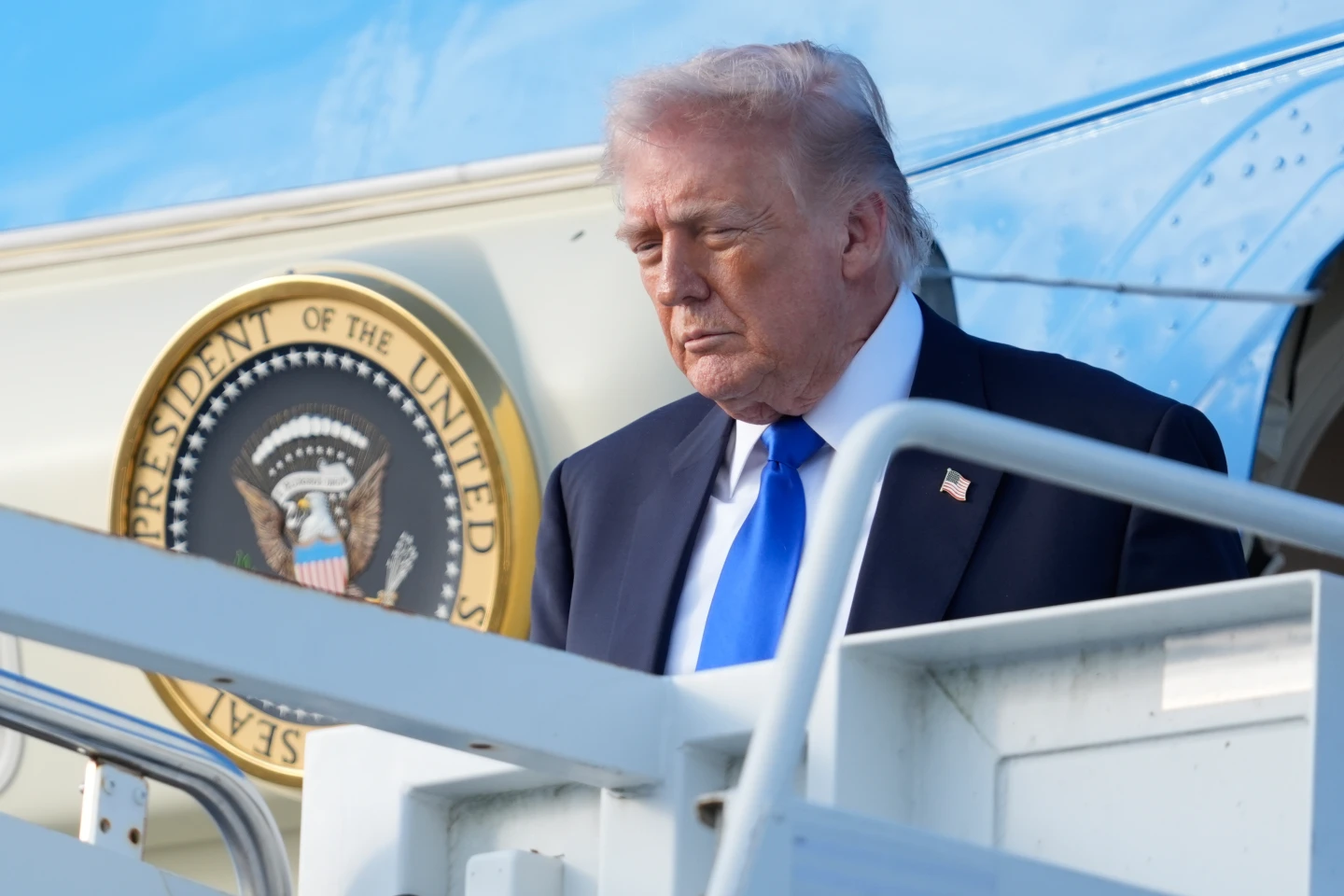
The revelations may lend credence to claims made by President Donald Trump, who has characterized Minnesota as a hub of fraudulent money laundering activity. Trump has also targeted the Somalian diaspora in Minnesota, making disparaging remarks about them in the context of these fraud cases.
Prosecutors reported that many individuals involved were receiving funds from multiple Medicaid programs. In one case, five new defendants were charged in connection with a housing services fraud, where two of them allegedly misappropriated $750,000 meant for helping Medicaid recipients secure housing. Instead of providing assistance, they reportedly used the money for luxury travel to places like London and Dubai.
Among the numerous fraudulent claims, one defendant submitted a staggering $1.4 million, with some of the funds reportedly used to buy cryptocurrency before fleeing the country after receiving a subpoena.
Thompson described the programs in question as primarily fraudulent, asserting that many claims submitted appear to lack legitimacy. He criticized the state's oversight, stating it has not done a good job of mining these programs, thereby compromising services for real patients who require Medicaid assistance.
Thompson indicated that the implications of this widespread fraud could severely impact vulnerable populations who genuinely depend on these services, stating, There are real patients, real clients, real people who need services and aren’t getting them.