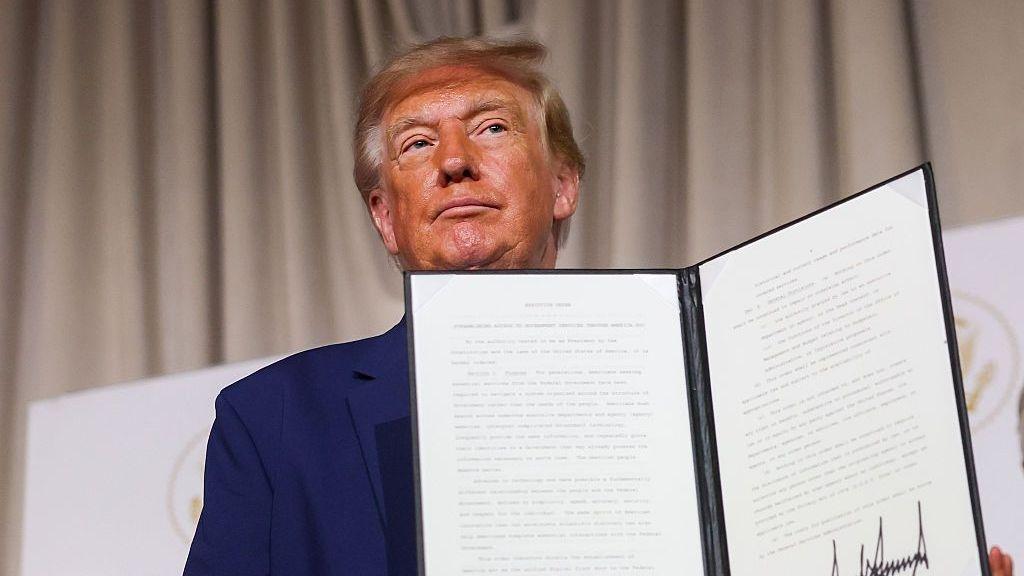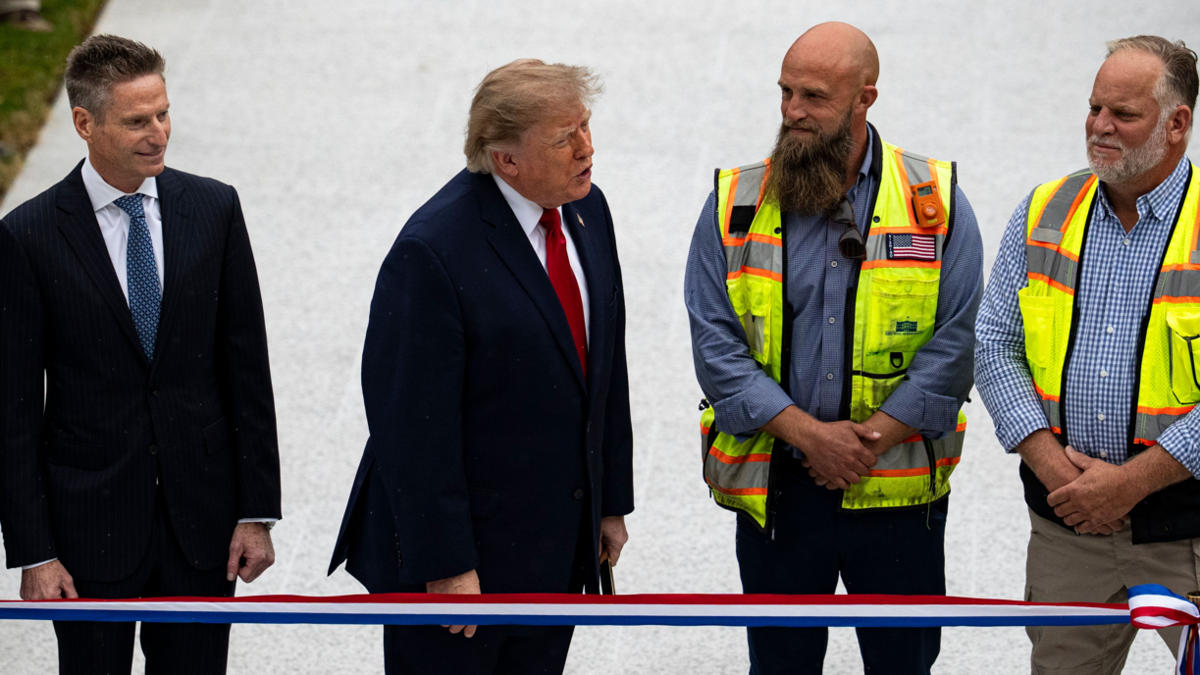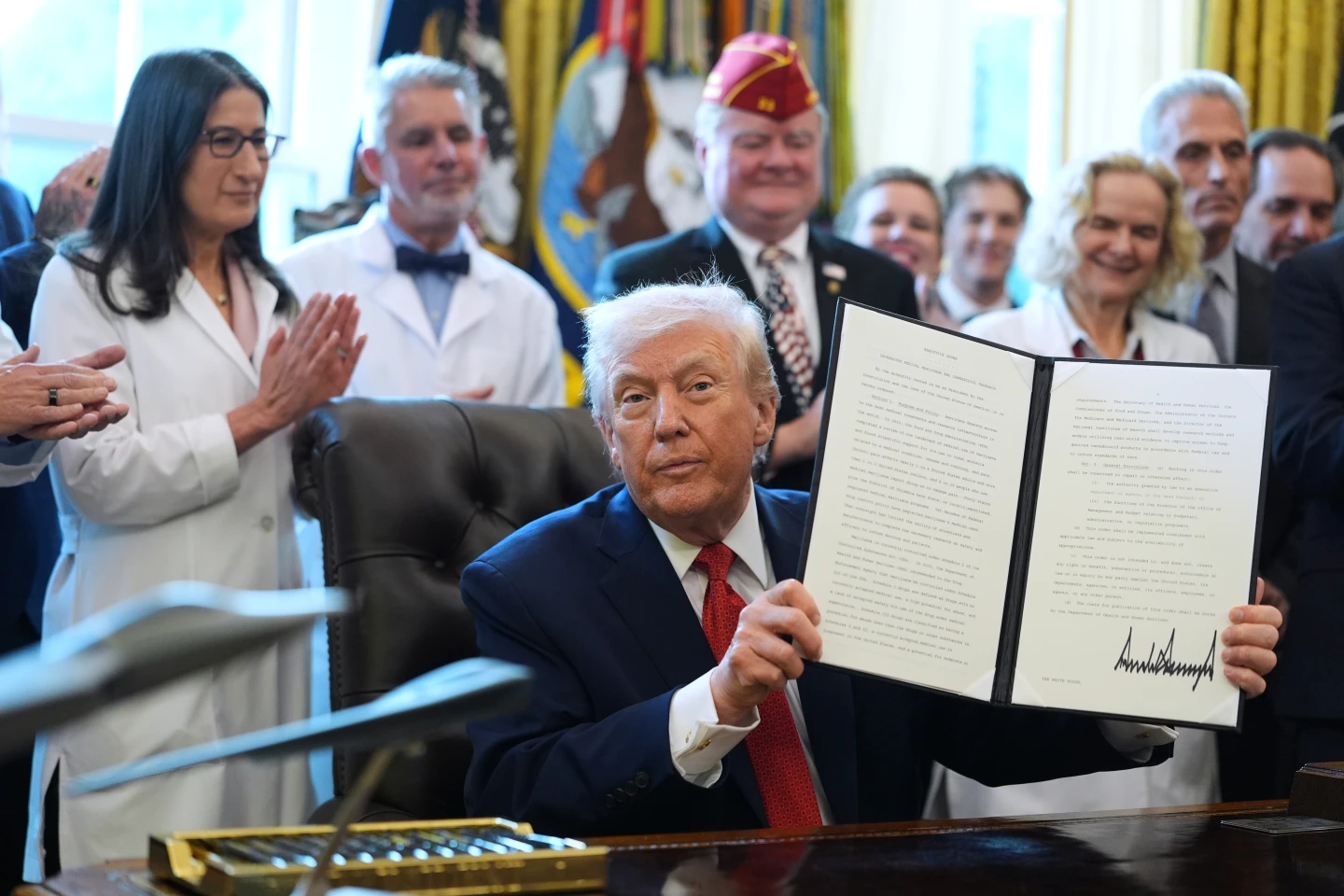
President Donald Trump signed an executive order Thursday that could reclassify marijuana as a less dangerous drug and open new avenues for medical research, marking a significant shift in federal drug policy.
The executive order proposes to move marijuana from its current classification as a Schedule I drug—alongside substances like heroin and LSD—to a Schedule III substance, similar to ketamine and some anabolic steroids.
While this reclassification by the Drug Enforcement Administration (DEA) would not legalize recreational use of marijuana across the United States, it could significantly alter how the drug is regulated, offering relief from heavy tax burdens faced by cannabis businesses.
Trump noted that he had received numerous calls supporting the move, especially from those suffering from pain who are seeking alternatives. We have people begging for me to do this. People that are in great pain, he stated.
This proposal aligns with a similar initiative previously put forth by the Justice Department under President Joe Biden, who also aimed to downgrade marijuana's classification. However, Trump expressed that his proposal lacked the same level of backing from Republican leaders, many of whom have voiced opposition to any changes regarding cannabis policies.
Despite the challenges faced, such a reclassification typically requires a lengthy process, including a public comment period reflecting widespread public interest. The DEA was reportedly still reviewing marijuana's classification as Trump took office in January, but his order aims to expedite this process.
Polling data indicates strong public support for less restrictive marijuana laws, with Gallup reporting a rise in approval for marijuana legalization from 36% in 2005 to 68% recently.
Furthermore, the order aims to enhance research opportunities and access to CBD products derived from hemp. A proposed Medicare program could soon allow seniors to obtain CBD at no cost with a doctor’s recommendation, as announced by Dr. Mehmet Oz, head of the Centers for Medicare and Medicaid Services.
Opposition remains, however, with over 20 Republican senators expressing concerns over safety and potential negative health impacts of marijuana, asserting that rescheduling it could undermine Trump's broader agenda of public safety.
While Trump has not committed to decriminalizing marijuana, he has indicated this could be a topic of consideration during his second term.