In brief
The annual remembrance ceremony for the bombing of Pearl Harbor will take place without the presence of any living survivors for the first time. Only 12 centenarian survivors remain, all unable to travel. This reflects an ongoing transition in how the story of Pearl Harbor is shared and commemorated, with descendants and historians actively preserving the memories and lessons learned from that fateful day.
HONOLULU (AP) — Survivors of the 1941 Japanese bombing of Pearl Harbor have long been the center of a remembrance ceremony held each year on the military base’s waterfront.
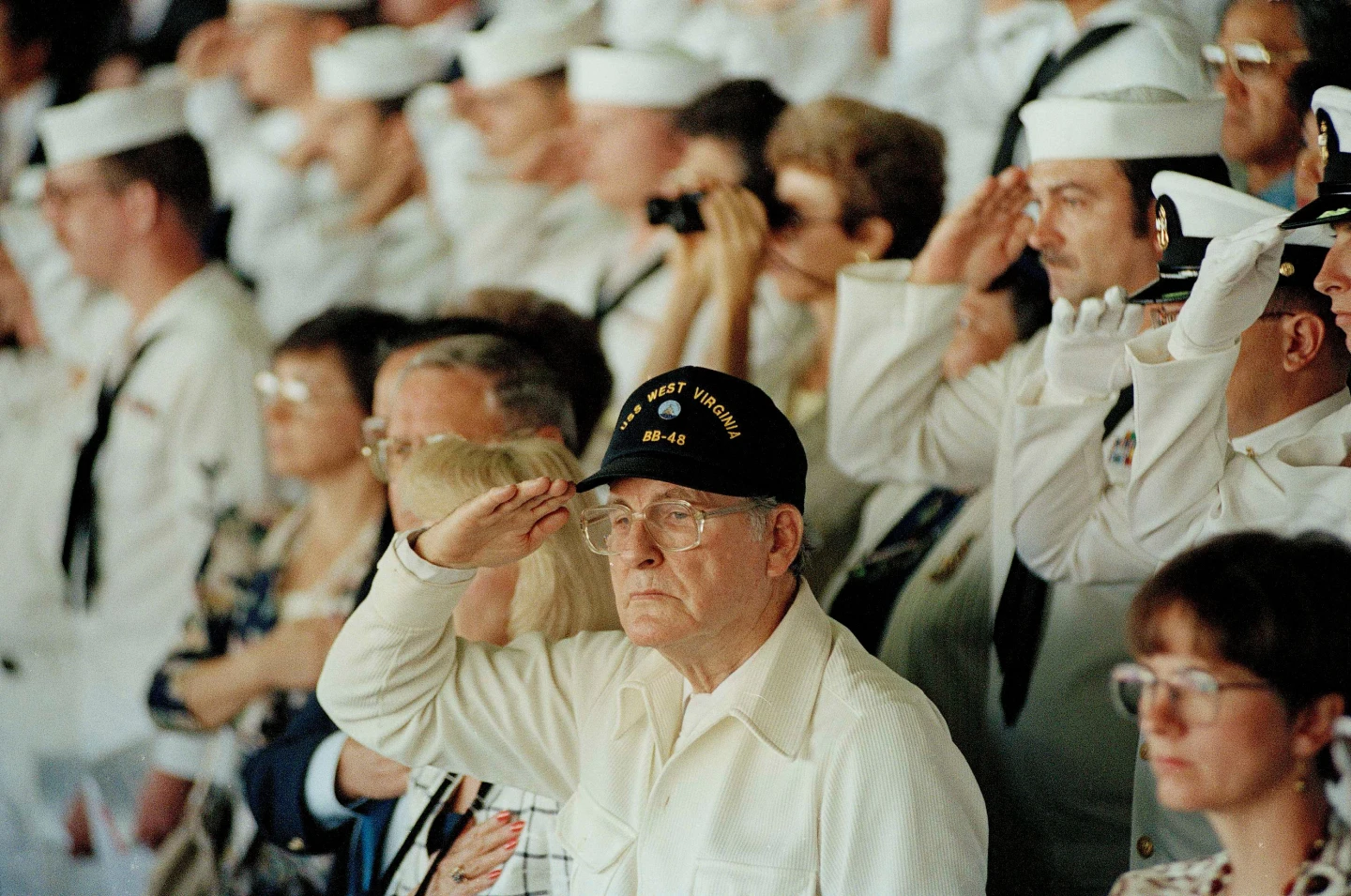
But this year, only 12 are still alive — all centenarians — and none can make the pilgrimage to Hawaii. This means for the first time, there will be no eyewitness to recount the memories of the attack that propelled the U.S. into World War II, which cost the lives of over 2,300 troops. The absence is stark and symbolizes the fast-fading connection to a pivotal moment in American history.
“Not having a survivor there for the first time — it hurt my heart in a way I can’t describe,” said Kimberlee Heinrichs, whose 105-year-old father, Ira “Ike” Schab, had to cancel after falling ill.
Historically, survivors have gathered at this annual event, which has been ongoing except for 2020. However, over the decades, the number attending has dwindled significantly, with only a few dozen present in recent ceremonies.
Remembrance Rituals
The ceremony begins at 7:55 a.m., marking the moment the attack began. It includes moments of silence, solemn rituals, and aerial tributes from fighter jets in a ‘missing man formation.’ Survivors cycle out of the tradition as the active duty troops take over their later roles in the observance.
With the passing of time, about 2,000 survivors attended the 50th anniversary event in 1991, while only two made it to last year's ceremony.
Witnessing History
Survivors have shared their harrowing experiences, like Harry Chandler, who witnessed the chaos while raising the flag at a mobile hospital. His memories recount rescue efforts and destruction, emphasizing the lessons learned: preparedness and vigilance, as he reflected on the attack.
Many Pearl Harbor veterans once held the belief that they must pass on the narratives and experiences of that day, underscoring their ramifications on military readiness and international relations over time.
Preserving the Legacy
Retired historians, like Daniel Martinez, have worked tirelessly to document survivor stories, amassing nearly 800 interviews to ensure these memories endure for future generations. Institutions like the Library of Congress have also preserved these accounts through extensive collections linked to the Veterans History Project.
As the survivors' era draw to a close, groups aim to keep their memories alive, promising to carry these stories forward. 'When they’re all gone, we’re still going to be here,' said Deidre Kelley from one such organization. 'And it’s our intent to keep the memory alive as long as we’re alive.'