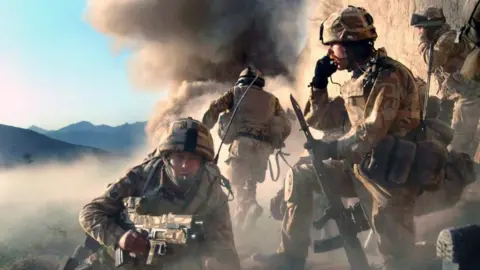
Blast walls, rocket attacks, Forward Operating Bases (FOBs), Improvised Explosive Devices (IEDs)... and long queues in the canteen. Anyone who deployed to Afghanistan, in whatever role, between 2001 and 2021 will have their own vivid memories of that time.
It started with the flight in – to Kandahar, Kabul or Camp Bastion. It could be a long, slow descent with the lights out on an RAF jet, or a rapid, corkscrew down in a C-130 transport plane. In both cases, the aim was to avoid being blown out of the air by a Taliban surface-to-air missile.
Over the course of 20 years thousands of servicemen and women, as well as civilians, from dozens of countries deployed to Afghanistan, answering the US call for assistance. That call came in the form of invoking NATO's Article 5 of its charter – the only time it has ever happened in NATO's 77-year history.
America was reeling from the devastating 9/11 attacks when al-Qaeda, prompted by the Taliban's sheltering, murdered nearly 3,000 people. The Taliban were swiftly driven from power in a joint effort by the US military, the CIA, and Afghanistan's Northern Alliance.
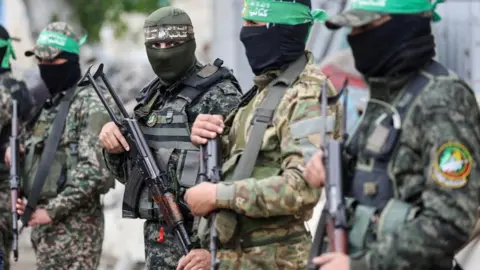
As forces pursued remnants of al-Qaeda, the dangers grew, especially when the UK deployed to Helmand province in 2006. Soldiers from various nations including the UK, Canada, Denmark, and Estonia faced fierce resistance from the Taliban, turning Afghanistan into one of the most dangerous deployments.
Soldiers wrestled with fears of hidden IEDs, with ruthless precision from Taliban fighters who knew the terrain well. As accounts reveal, many soldiers faced devastating injuries or even death in fractions of a second due to these hidden threats.
This article recounts not only the experiences of American troops but also the invaluable contributions and sacrifices made by their allies in the quest for stability within Afghanistan, showcasing the courage that transcended national boundaries.