In brief
The world is witnessing a potential regression to the geopolitical dynamics that characterized the years before World War II, prompting middle powers to reevaluate their strategies. This discourse highlights recent discussions at the Davos conference, where leaders acknowledged the rise of unilateralism under Trump's administration and contemplated the need for collaboration among nations outside the traditional power structure.
As international relations continue to evolve, the role of middle powers has become increasingly critical in addressing complex global challenges. Observations at the recent Davos conference signified a growing awareness among leaders about the shifts towards an era reminiscent of pre-World War II geopolitics.
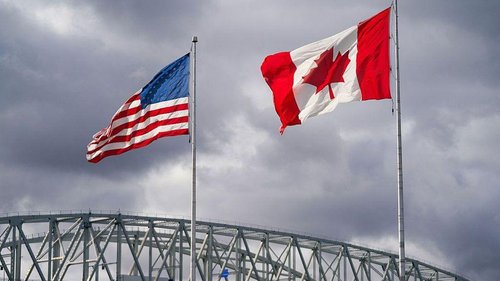
In a world where the influence of the United States under the America First doctrine remains potent, middle powers like Canada and those in Europe must come together to advocate for a more balanced and equitable international order.
World leaders discussed the threats posed by unilateral actions that undermine global cooperation, conveying the message that if middle powers fail to unify, they risk being sidelined in crucial discussions shaping the future of international relations.
Recent criticisms of American dominance in global affairs by Canadian Prime Minister Mark Carney underscore the urgency for these nations to form coalitions capable of counteracting the rising tide of isolationism and unilateralism fostered by current U.S. policies.
The changes provoked by shifting political landscapes could potentially challenge the already fragile structures of the post-war rules-based international order. Without vigilance, the dynamics of power could lead to increased sociopolitical fragmentation and a retreat from the democratic values established post-World War II.
In light of the current global climate, the message is clear: middle powers must assert their influence or risk being dictated by the more powerful forces at play.