In brief
In a recent press conference, Netanyahu stated that Israel conducted an independent attack on Iran's South Pars gas field, leading to Iranian retaliation and a spike in global energy prices. Despite conflicting reports about U.S. involvement, Netanyahu denies that the U.S. was misled into the actions taken. The ongoing conflict marks an escalation in hostilities, with potential repercussions for global energy supplies.
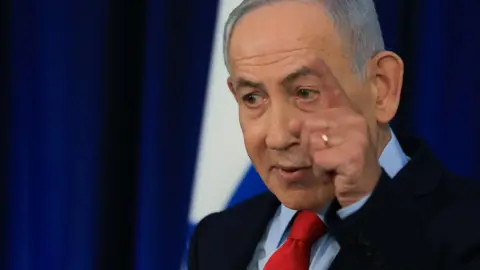
Israel's Prime Minister Benjamin Netanyahu has claimed that Israel 'acted alone' in its recent attack on an Iranian gas field, specifically the South Pars, which is part of the world's largest natural gas field. The attack comes at a time of heightened tensions over strikes on energy infrastructure in the region. In response to Israel's actions, Iran retaliated by attacking energy facilities in Qatar and launching strikes at other Gulf energy targets.The attacks caused a significant spike in energy prices globally, prompting U.S. President Donald Trump to clarify that he was unaware of the attacks ahead of time.This escalation has raised concerns about the unity of objectives between Israel and the U.S. regarding military actions against Iran. During a news conference, Netanyahu mentioned that Trump had requested a halt to future attacks on energy targets.Contradicting Netanyahu's assertions, Reuters reported that the attack on South Pars had been coordinated with the U.S. in advance, but officials were not caught off guard by Trump's reaction. Netanyahu denied any attempt to involve or mislead the U.S., asserting that the Israeli operations are aimed at undermining Iran's military capacity.The conflict has subsequently strained energy markets, with gas prices having risen sharply due to the Iranian counterattacks. Reports indicated that the UK benchmark prices peaked at nearly 183p per therm, demonstrating the immediate impact of regional conflicts on global energy supplies.As tensions escalate further, Iran’s response has been aggressive, with statements indicating that it would take harsh measures against further strikes on its infrastructure. Additionally, the Iranian attack on Qatar's Ras Laffan area, which houses the world’s largest liquefied natural gas (LNG) processing facility, may disrupt significant portions of QatarEnergy’s export capabilities.Calls from the Qatari Prime Minister signal the potentially severe effects these attacks may have on global energy availability. With both nations continuing aggressive postures, the situation remains highly volatile, emphasizing the urgent need for diplomatic resolutions.