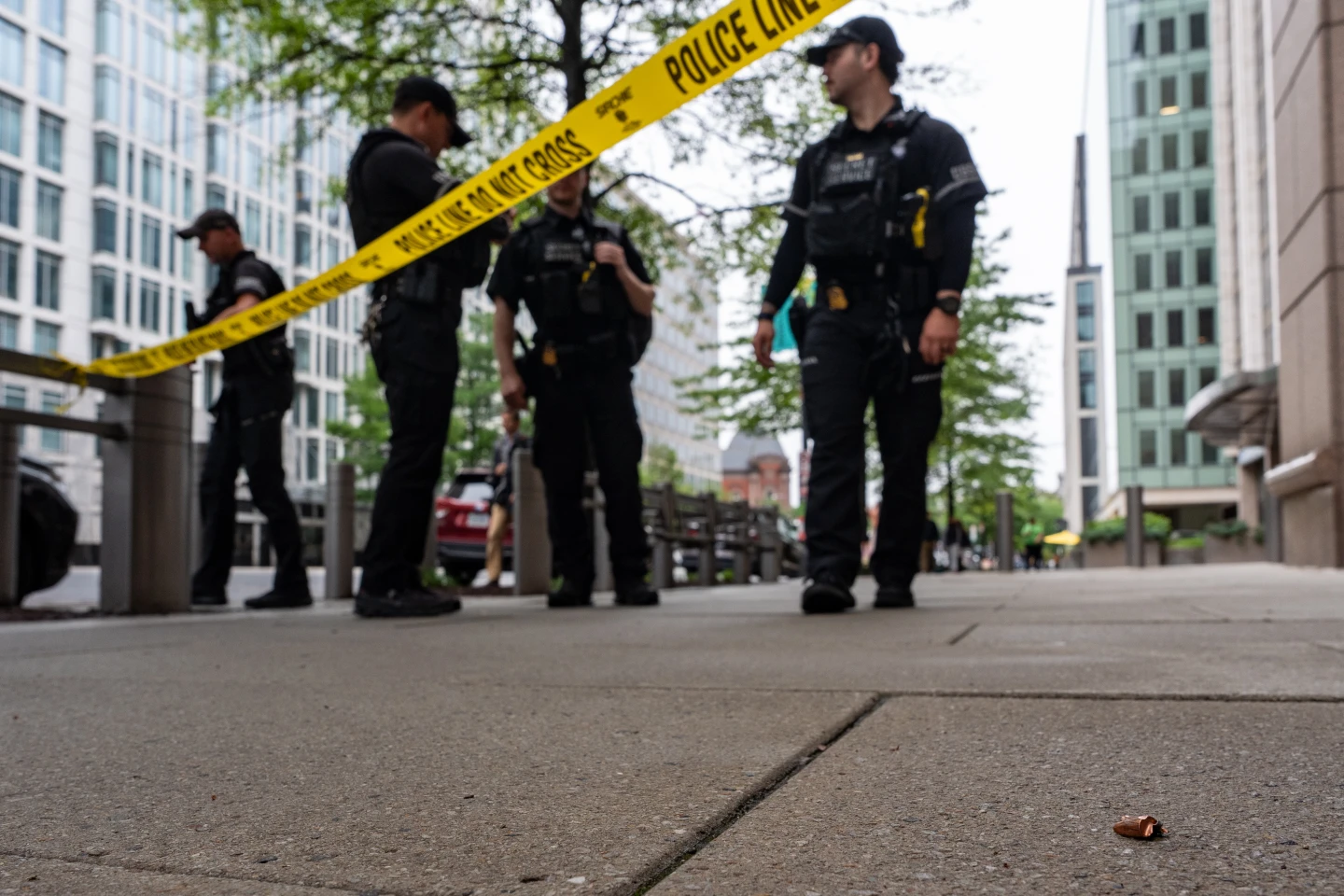
Graphic videos showing the killing of conservative activist Charlie Kirk on a Utah college campus have sparked widespread attention, leading to discussions about the potential impact of media coverage on the trial of the man charged with his murder.
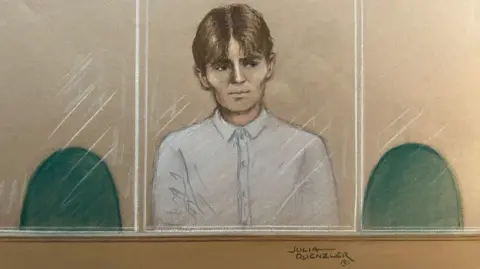
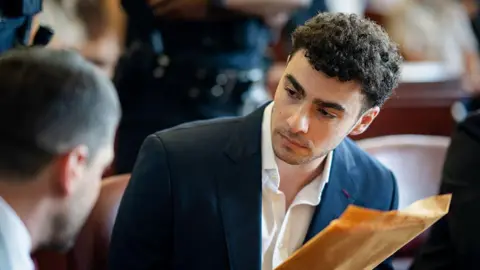
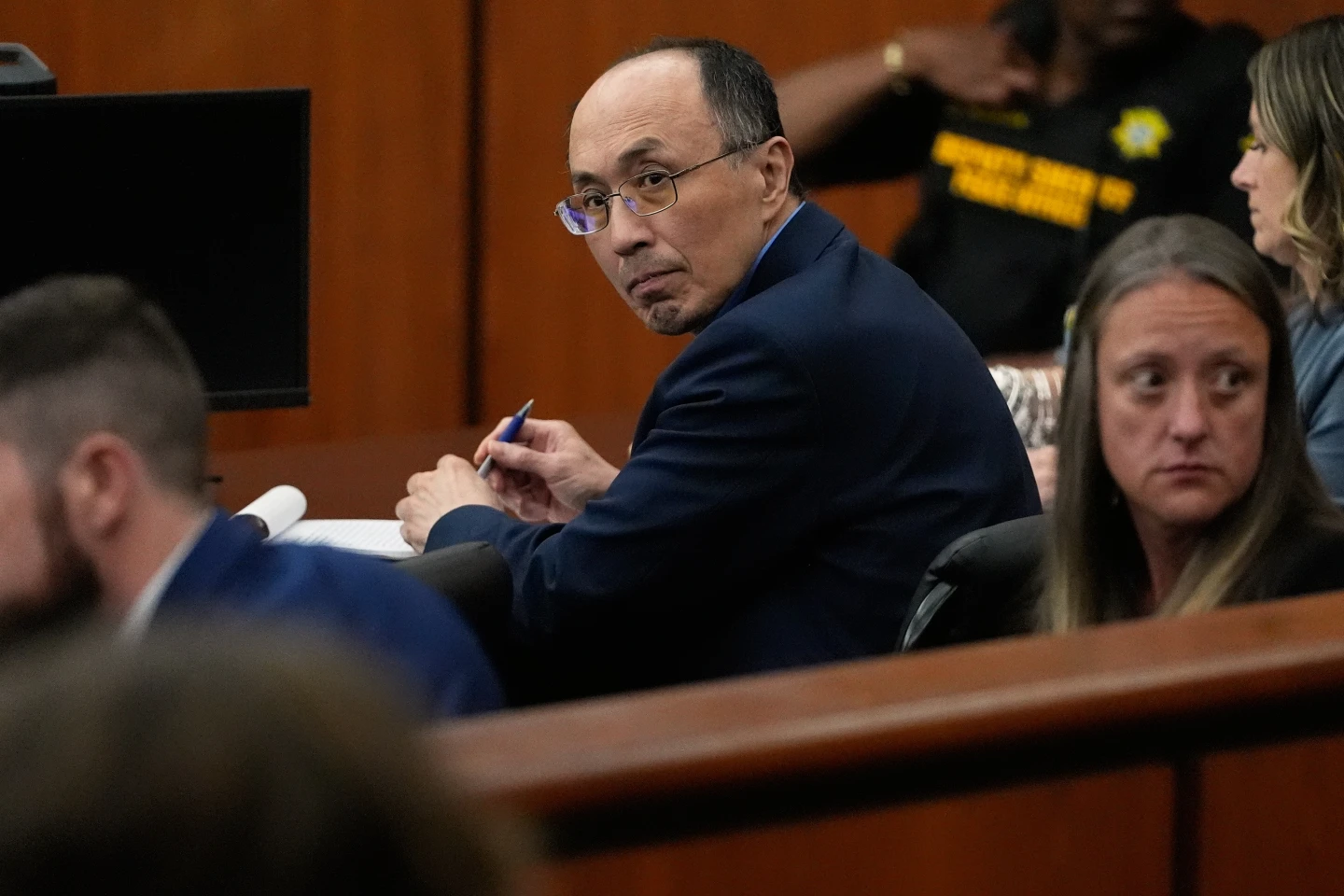
Defense attorneys for Tyler Robinson are requesting that a judge prevent the airing of these videos during an upcoming court hearing, expressing concerns over media bias influencing potential jurors. They also seek to exclude cameras from the courtroom as a means to avoid public discourse potentially tainting the legal process.
Amplifying the legal contention, Kirk's widow and several prosecutors have rallied against the defense's request, asserting the importance of transparency. Erika Kirk's attorney highlighted in a recent filing, In the absence of transparency, speculation, misinformation, and conspiracy theories are likely to proliferate, eroding public confidence in the judicial process.
Legal experts, like Cornell Law School's Professor Valerie Hans, emphasized that high-profile media coverage can indeed shape jurors' perception, potentially biasing their views of the evidence in the courtroom. Addressing the defense's concerns, Hans stated that extensive media reporting on the case creates a backdrop that jurors might bring with them into the trial.
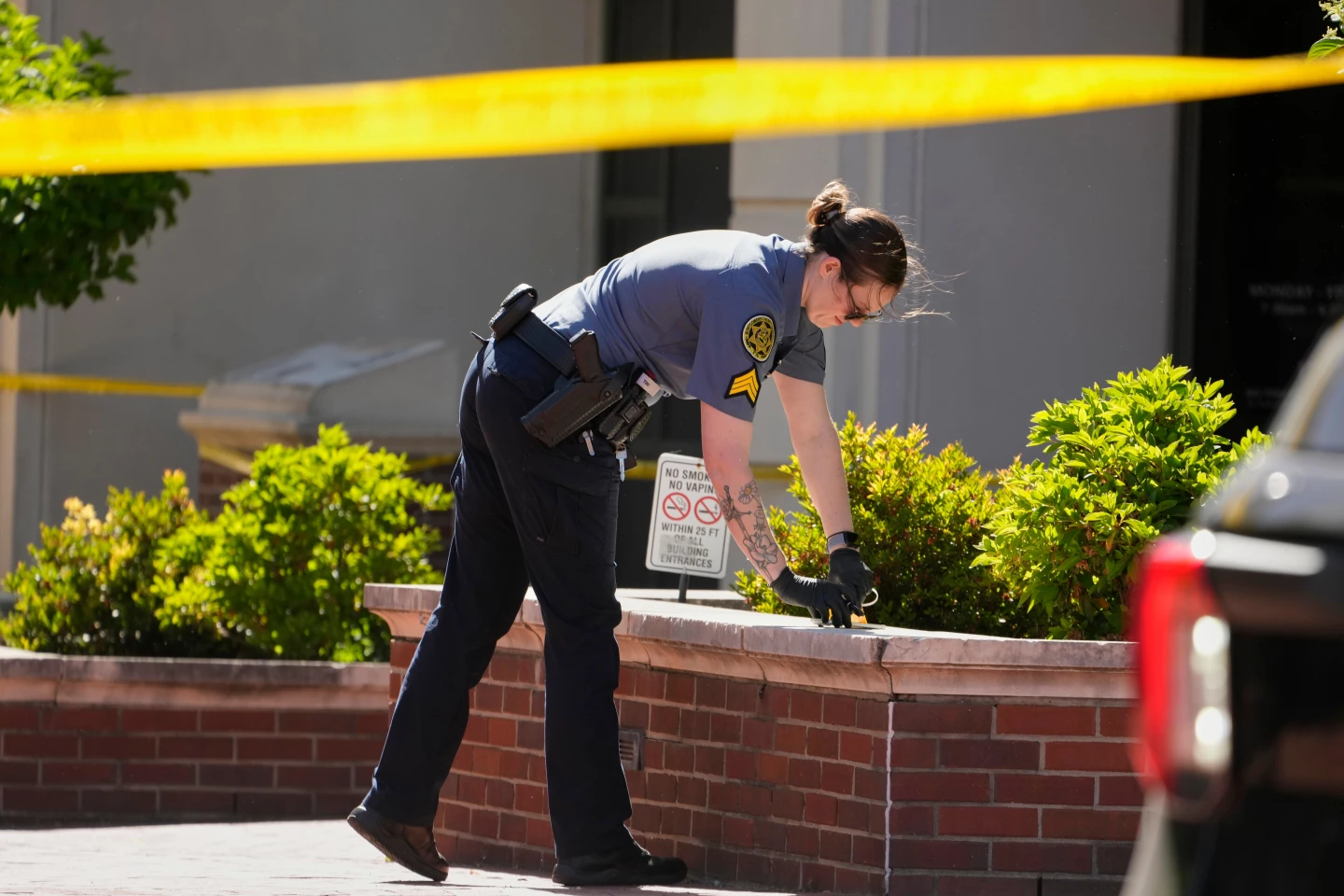
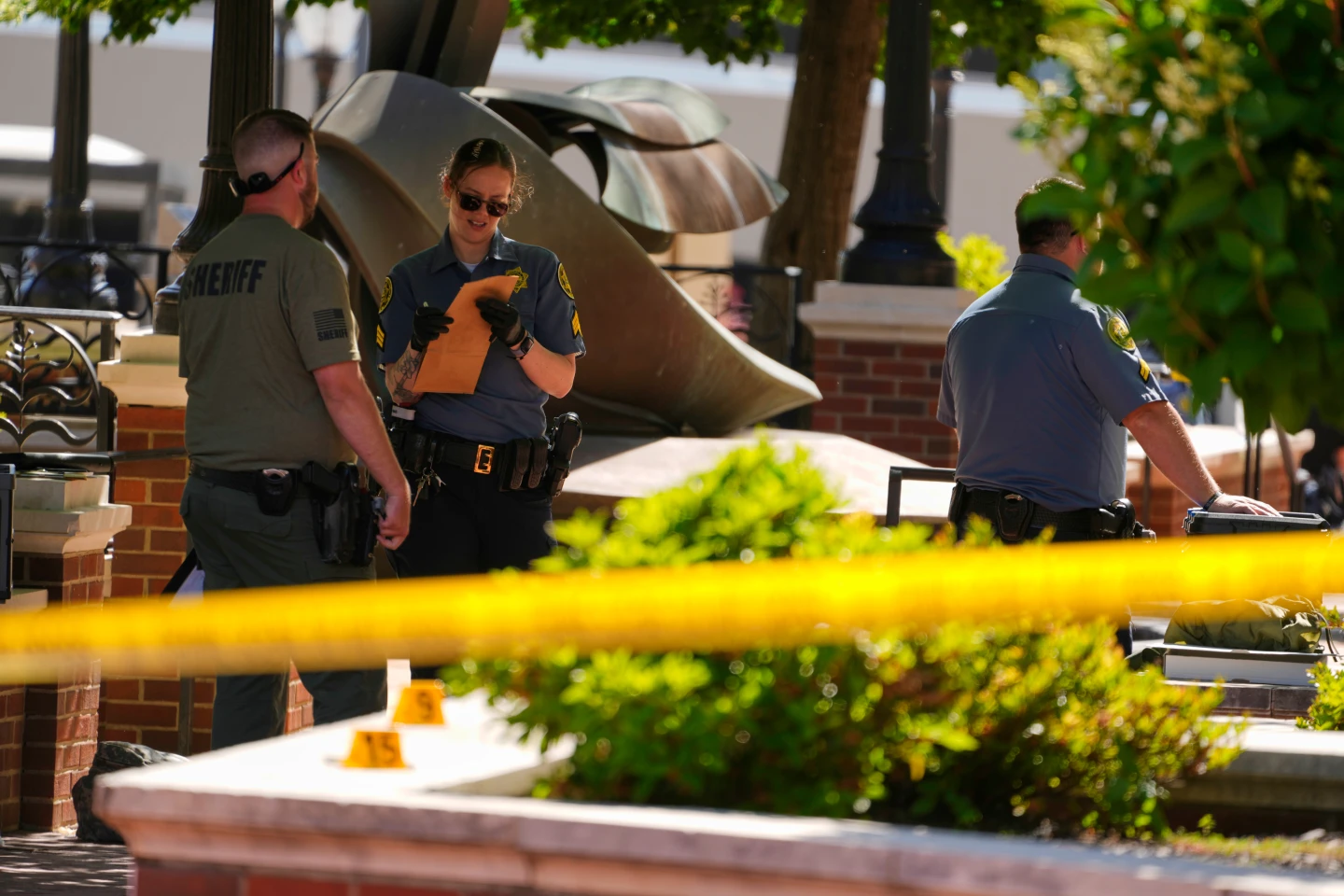
Prosecutors plan to pursue the death penalty for Robinson who is charged with aggravated murder stemming from the September 10 shooting on the Utah Valley University campus. An outdoor rally attended by around 3,000 people witnessed Kirk, a pivotal figure in the mobilization of young voters for Donald Trump, tragically shot.
As the court prepares for the hearing, the implications of the graphic videos remain a crucial point of contention, with prosecutors arguing that such evidence could demonstrate aggravating circumstances necessary for a death sentence, depicting the crime as especially heinous or atrocious. This legal battle continues amidst a charged atmosphere influenced by political tensions and public interest.