Millions of new files relating to the late sex offender Jeffrey Epstein have been released by the US Department of Justice (DOJ), marking the largest number of documents shared since a law mandated their exposure last year.
The release consists of over 3 million pages, 180,000 images, and 2,000 videos, made public just six weeks after the DOJ missed a deadline set by legislation signed into law by former President Trump that required all Epstein-related documents to be disclosed.
Deputy Attorney General Todd Blanche stated, Today's release marks the end of a very comprehensive document identification and review process to ensure transparency to the American people and compliance. The released files include significant insights into Epstein's time in prison, a psychological assessment, and investigative records related to Ghislaine Maxwell, his associate.
Furthermore, the documents contain emails exchanged between Epstein and various notable personalities, as well as details surrounding his legal issues dating back over a decade. Epstein, who was convicted in 2008 for soliciting sex from a minor, died in 2019 while facing charges in a large sex trafficking case.
Among the revelations, the files detail Epstein’s associations with influential figures including Andrew Mountbatten-Windsor, whose email conversations with Epstein are highlighted. The latest release contains disturbing images, insinuating questionable behavior linked to the Duke of York.
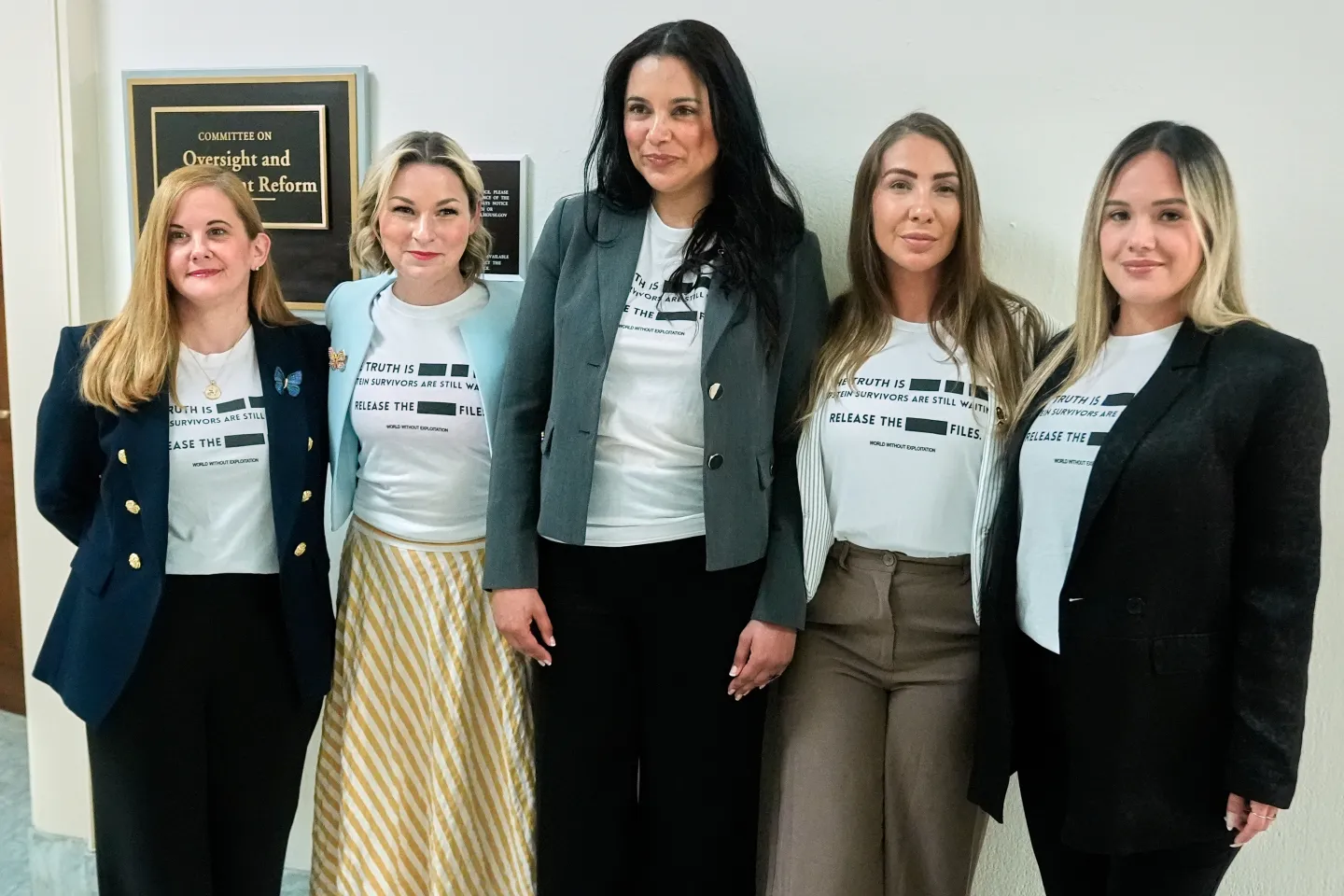
The document release has additionally emerged under scrutiny, as legal advocates express concern over the identification of victim names in the disclosed files, with many survivors reportedly devastated by the information's release. Gloria Allred, a noted attorney for victims, criticized the DOJ’s methods, calling them an absolute mess, and called for more protective measures regarding the identities of victims involved.
While this latest drop clarifies some questions regarding Epstein's network, ongoing discussions persist regarding potential further releases or the possibility of withheld documents, as advocates for transparency question the comprehensiveness of the DOJ's release, which reportedly addresses only about half of the initial identified materials.