Israel‑Iran Flare‑Up Gives Tehran New Leverage in US Negotiations
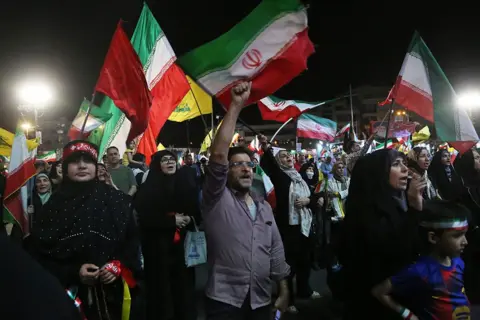
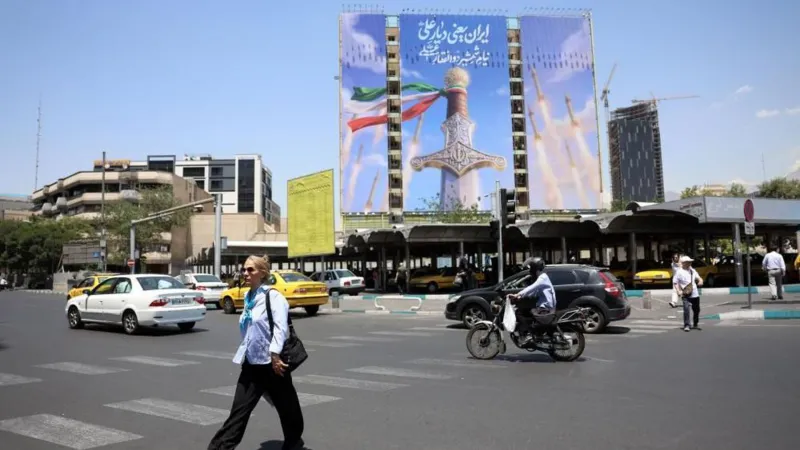
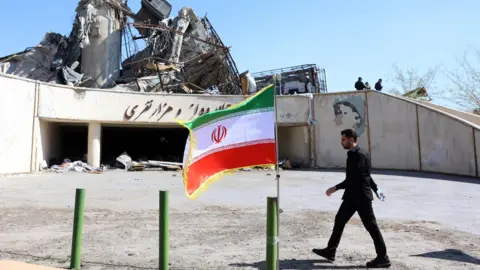
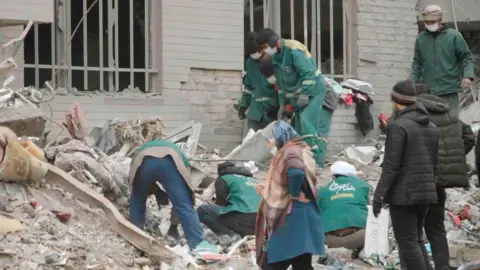
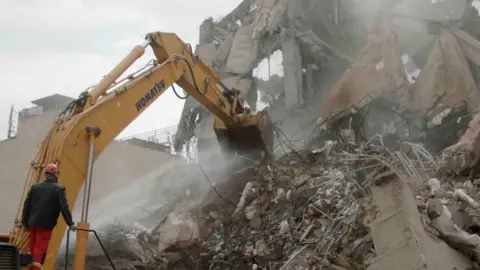
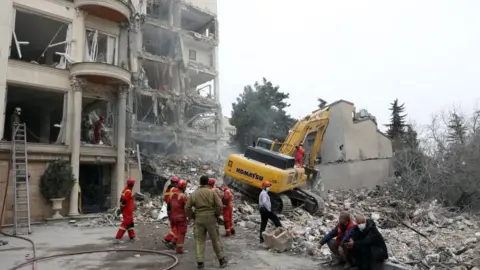
In a rapid back‑and‑forth that unfolded over the weekend, Israeli forces struck Iranian targets for the first time since an earlier ceasefire, while Iran launched missiles toward Israel in retaliation for Israeli raids on Lebanon’s capital. Washington’s top diplomat urged Prime Minister Benjamin Netanyahu not to retaliate, yet the Israeli strikes proceeded, suggesting a tacit or partial approval from U.S. authorities.
The escalation highlights three key dynamics: 1) Trump’s limited ability to curb Israel’s actions; 2) Tehran’s willingness to use its territory to link the U.S.‑Iran nuclear negotiations to the Israel‑Hezbollah ceasefire; 3) an exhausted humanitarian clause that forces Iran to leverage the conflict for economic concessions.
- Trump’s public “blinking yellow light” for Israel suggests a cautious stance that the U.S. might allow limited aerial support.
- Iran’s missile attacks aimed to rid a new bargaining chip on the negotiating table, potentially softening the U.S. negotiating position.
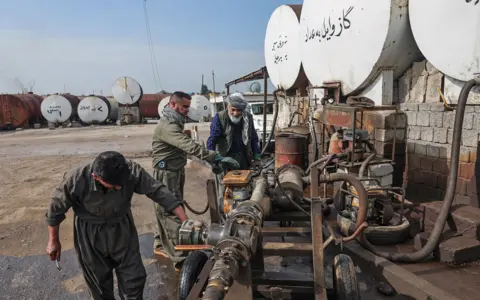
- With the Strait of Hormuz closed at times and oil prices rising, the U.S. would face protests from domestic markets and overseas allies, adding pressure on Washington to resolve the crisis.
Strategic Implications for the United States
The U.S. military’s largest buildup in the region since 2003 underscores a strategic posture that includes 500 liaison officers in Israel and an air‑traffic chain that coordinates joint operations. The Israeli Defense Forces’ briefing noted full coordination with U.S. Central Command and mutual support in missile interceptions.
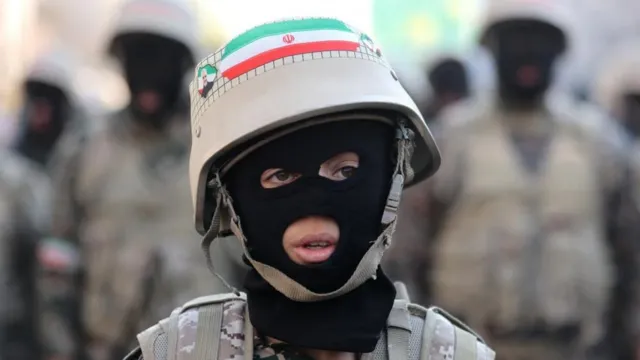
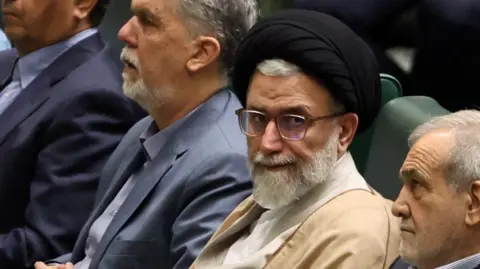
When Iranian leaders post on social media and see their war efforts strengthening the negotiating hand, their rhetoric becomes a diplomatic tool. President Masoud Pezeshkian praised “diplomacy and defence” as the two wings of national power and stated that the country remains committed both on the battlefield and at the negotiating table.
Iran’s Priorities at the Negotiation Table
Iran seeks two main concessions: 1) Immediate sanctions relief and release of tens of billions in frozen oil revenue; 2) Limitation on Israeli escalations against Hezbollah, a force that keeps Iranian alliances in tension with Israel.
Trump’s Stance and the Road Ahead
In a televised interview, Trump signalled a “very close” nuclear agreement but denied any initiative to lift sanctions outright, replying “No.” This indicates that the U.S. remains cautious while being open to a deal, yet the American public and policymakers will weigh the safety of shipping lanes and domestic oil costs.
The current sequence of events may either crown Tehran’s leverage or push Washington into a renewed confrontation. Either outcome serves the paradoxical strategic aim of Tehran to create fractures between Israel and the U.S. while expanding its economic leverage in the cold war‑era-on‑the‑chop system of sanctions.