Total Repression and Air Strikes Bring Unrelenting Dread for Iranians
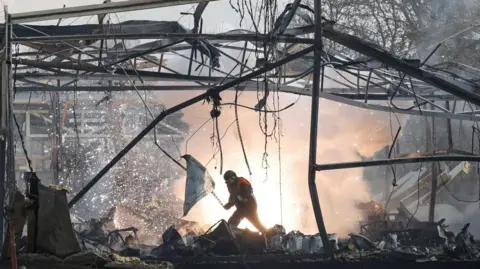
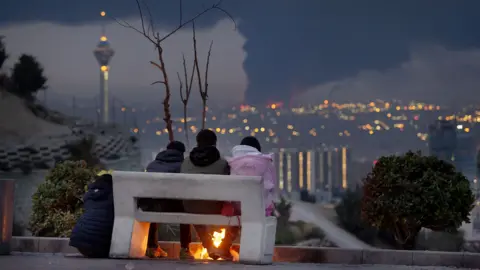
A woman stands on a rooftop listening to the sounds of the city below. There is only the dull hum of traffic tonight. But she knows how easily that can change. It is usually the dogs who notice the sound first and begin to bark furiously. The noise of aircraft. Then the ominous percussion of explosions. A ball of orange rising from an airstrike in a familiar neighbourhood.
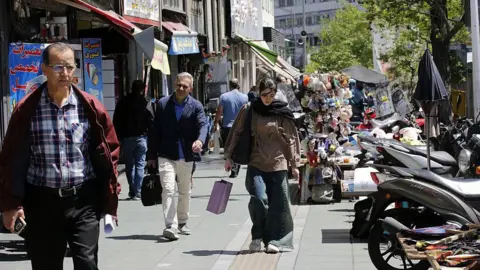
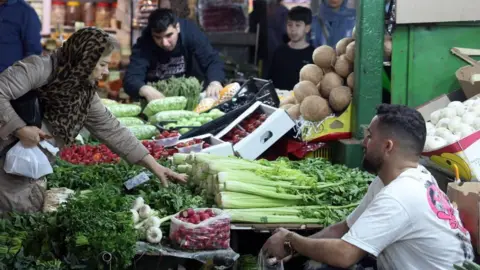
The BBC has obtained footage and interviews from Tehran which evoke a city of strained nerves, of constant waiting for the next blast and relentless fear of the state security apparatus.
Baran – not her real name – is a businesswoman in her thirties. She is now too scared to go to work. 'With the start of the drone attacks, no one dares to go outside. If I open my door and step out, it is like gambling with my life.'
She lives alone but is in constant communication with her friends. 'My friends and I message each other constantly asking where everyone is…and even when there is no sound the silence itself is terrifying. I am doing everything I can to stay alive and witness whatever lies ahead.'
Like many young Iranians, Baran saw her hopes for change devastated in recent months. Thousands were killed in a crackdown by regime forces in January after widespread demonstrations demanding reform.
Now repression is total. Open dissent is impossible as the state's watchers are everywhere. Footage obtained shows regime supporters driving through the city at night, flags flying from their cars – a message to any who might be tempted to protest.
The official narrative is the only one allowed. State television broadcasts footage of demonstrations and funerals, with constant denunciations of America and Israel. In government propaganda, the Iranian people are extolled as willing to suffer martyrdom.
Independent journalists still try to gather testimony that offers a credible alternative view, but they run the risk of arrest, torture, and possibly worse. One journalist stated, 'In wartime conditions, you really don't know what they are capable of doing.'
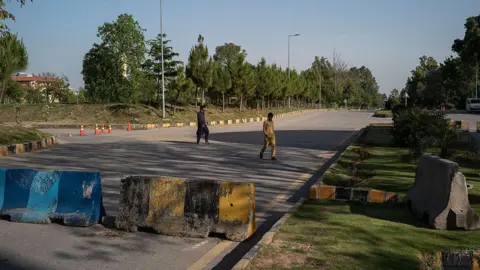
In homes throughout Tehran, residents feel confined to sharing their emotions indoors. Ali, a middle-class man, expresses his pain: 'It is painful when I go into the streets. The city looks like the city of the dead.'
'The situation is frightening…,' says Ali. 'The skies of your country are controlled by enemy forces. But at the same time, there is always a hope in people's hearts. It's not that we are supporting America or Israel, but we hope that something might happen that ends the current Iranian regime, and that the people will be able to create change.'
This war, Baran believes, may go on for years, with psychological effects lasting even longer. 'This war will not end soon, because this war is inside our homes, inside the families…The war has entered our blood and has entered our lives.'
The citizens of this 6,000-year-old city live in dread of American and Israeli bombs, of the regime and its torturers. A daily unrelenting dread from which there is no sign of escape.
With additional reporting by Alice Doyard.