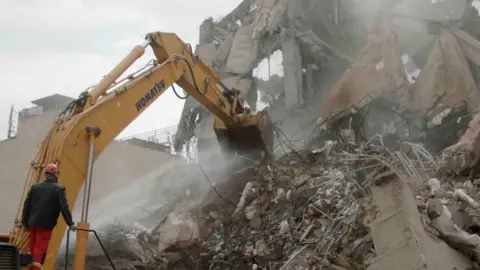
A mother stands by the rubble, crying out for her daughter.
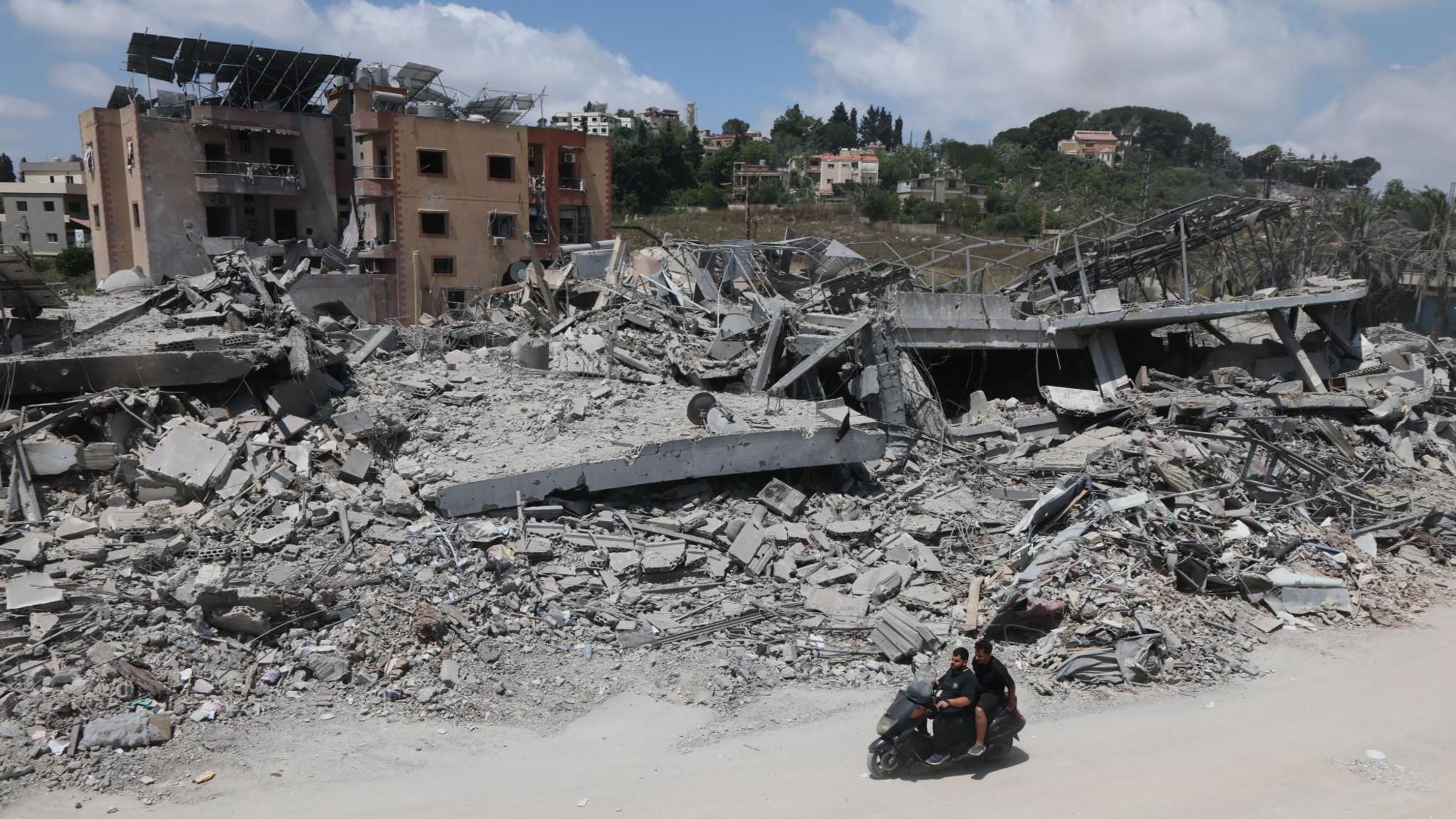
For days she has been waiting for rescue workers to dig through the flattened remains of what was once her daughter's flat in Resalat, a residential district in eastern Tehran.
They don't have the manpower to get her out, the woman says.
My daughter is under the rubble... she's afraid of the dark.
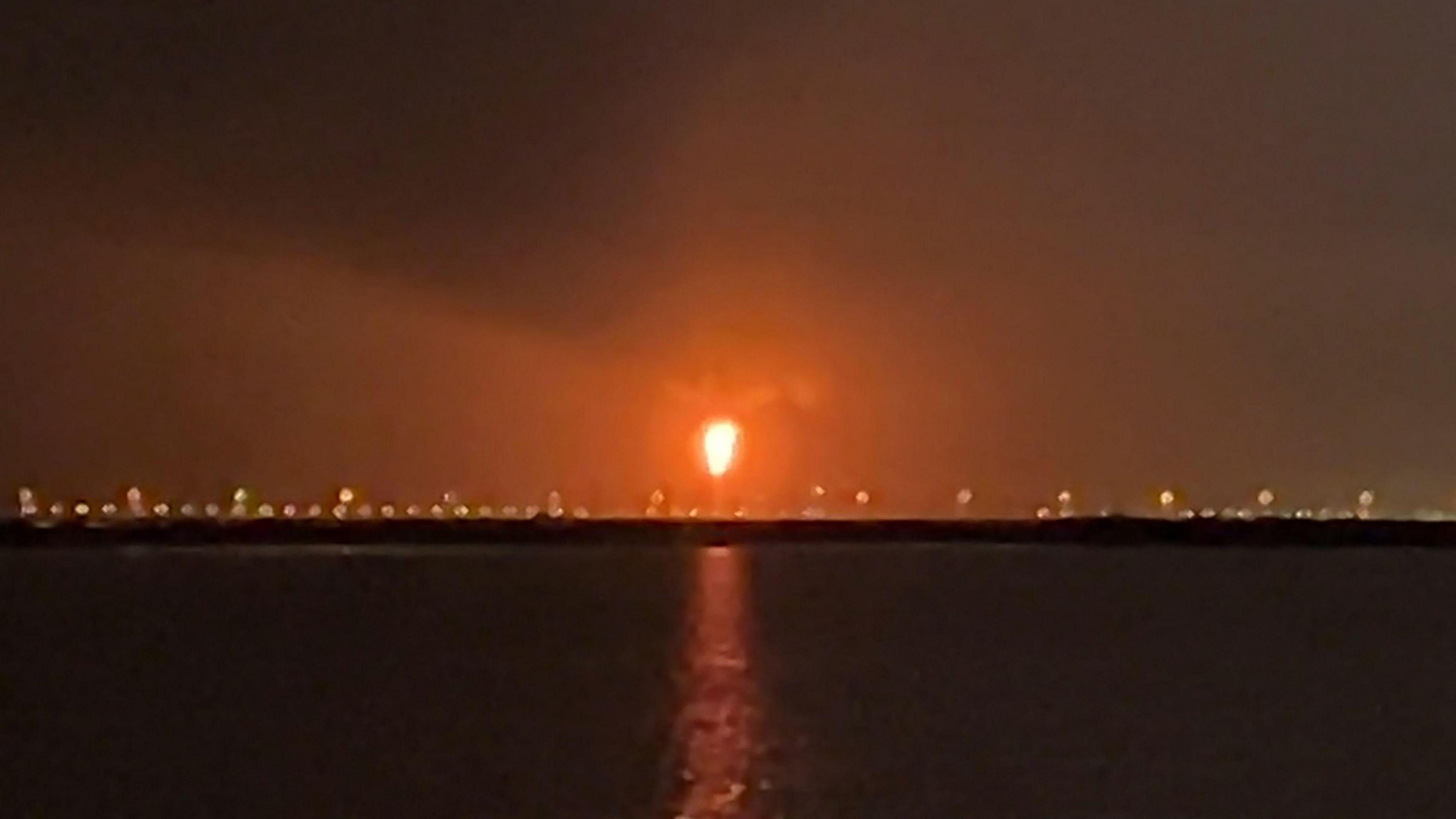
For a month, Iran has been at war with the United States and Israel, who have been carrying out strikes across the country at targets linked to the regime.
But these attacks are also having a devastating impact on civilians living nearby. They are now being caught between bombardment from the skies and a repressive regime that responded to anti-establishment protests with a deadly crackdown in January.
Since the start of the war, BBC Eye has gathered exclusive footage from independent journalists inside Tehran.
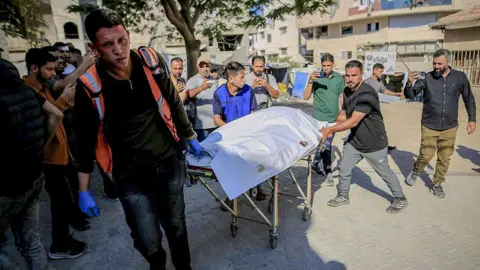
Local authorities and residents say between 40 and 50 people were killed in a single attack that destroyed the multi-storey apartment building where the mother and her child lived.
The strike occurred on 9 March as the Israeli Defense Forces targeted a military building linked to the Iranian Basij forces. Witnesses report multiple explosions and significant damage to surrounding civilian structures.
Military analysts suggest the use of large bombs, which may contravene international humanitarian law, as they predominantly affected civilian areas.
The United States and Israel assert their strikes target Iranian military infrastructure, but the substantial civilian toll raises concerns about the humanitarian implications of such military strategies.
As residents cope with the fallout, many feel exposed and vulnerable, facing an uncertain future.