Iran’s New Show of Resolve: A Resilient Regime Fires on Israel
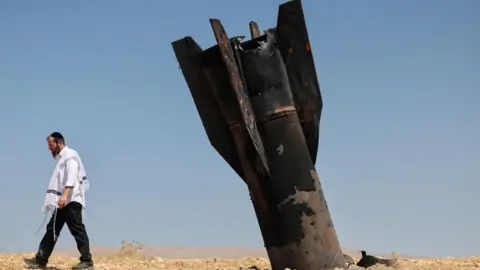
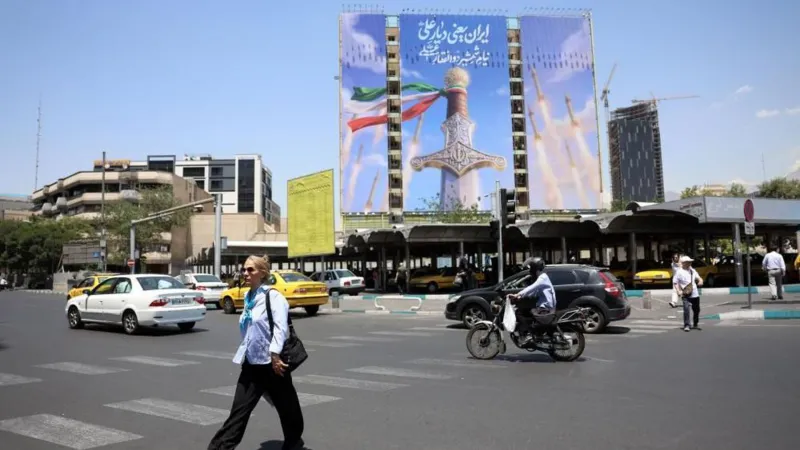
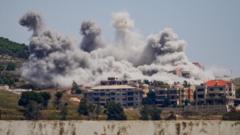
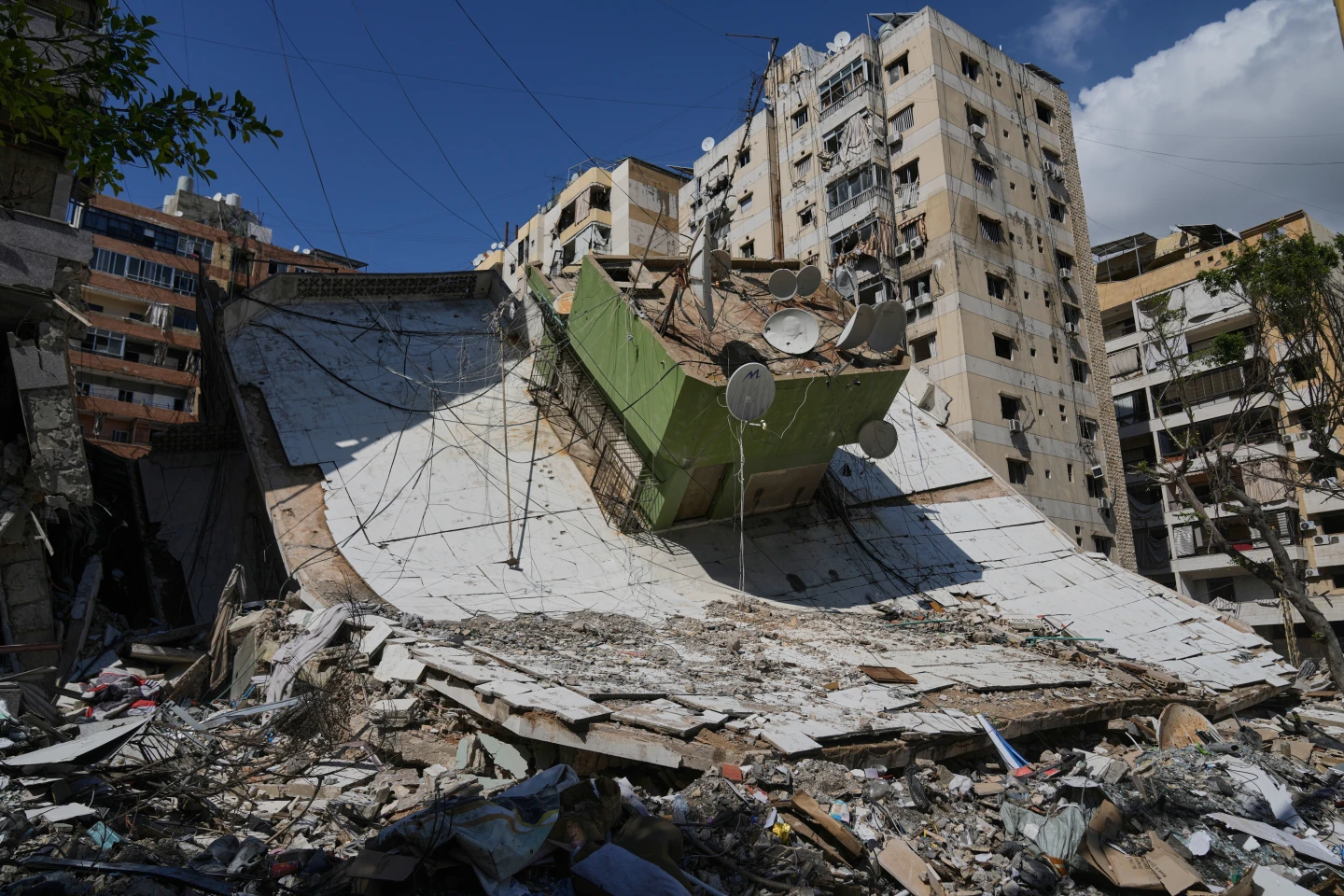
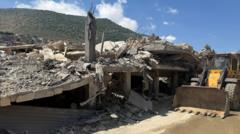
When Iran launched missiles and drones at Israel overnight in response to Israel’s strike on a Hezbollah‑linked building in southern Beirut, the military impact seemed limited, but the political repercussions reverberated across the region.
For years, Iran framed direct attacks on Israel as retaliation for assaults on Iranian territory. This time, however, Tehran acted after a strike on one of its allies—a departure from its usual pattern.
Although Iranian forces announced a pause in future attacks on Israel, the decision to strike now raises a critical question: why did Tehran choose to act when it risked renewed Israeli military pressure and jeopardised fragile diplomatic ties with the United States?
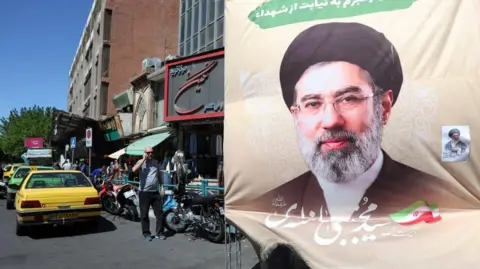
An answer may lie in how Iranian leadership views its position after years of conflict. While the Islamic Republic emerged from recent warfare still intact—its government, security apparatus, and state structures surviving—it has developed a stronger sense of resilience.
Having withstood extensive Israeli and American military pressure, economic sanctions, and a U.S. naval blockade, Tehran might now consider itself a formidable power that can enforce new red lines without fearing immediate collapse.
Thus the strike appears less a retaliation than a deterrent, signalling to Hezbollah, Iraqi militias, and other coalition partners that attacks on Iran’s allies will no longer be isolated from Iran itself.
For allies across the region, the move carries significant weight. Should Iran fail to respond after its warning, its credibility and influence could erode. By acting, it demonstrates that it is ready to back its promises.
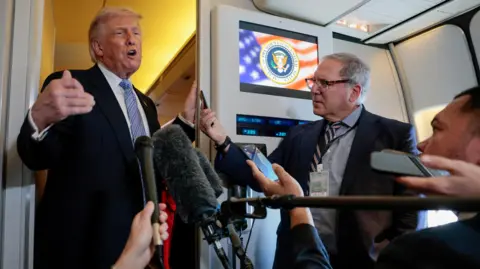
The timing of the attack also seems intentional. U.S. President Donald Trump had recently indicated a possible deal could be within reach, and conventional logic would suggest Iran avoid actions that could derail diplomacy. Yet Tehran seems to believe demonstrating force might bolster its negotiating position rather than weaken it.
In Tehran’s view, showing a willingness to use force reminds Washington and Israel that Iran still has options. This approach could be a calculated effort to reinforce its leverage without triggering a full‑scale war.
Whether this calculation pays off remains to be seen. Nevertheless, the strike indicates a leadership that feels more confident than predicted a few months ago, and that may now aim to negotiate from a position of strength while actively enforcing its own red lines.
For live updates, follow our live coverage here.
For more analysis from experts, read Bowen’s commentary on Middle East turbulence.
To share your opinion, visit: our feedback portal.