In brief
The recent rescue of a US pilot from an F-15 fighter jet downed in Iran highlights the ongoing missions of elite Air Force Pararescue units. These trained specialists undertake complex, time-sensitive operations to recover military personnel in hostile environments. With a rich history, these combat search-and-rescue teams are a crucial element of US military operations, facing perilous conditions to ensure no team member is left behind.
Early reports indicate that the pilot of a US F-15 fighter aircraft downed over Iran was rescued - a noteworthy achievement in the extensive history of US combat search-and-rescue missions.
According to CBS, the ongoing search operation aims to locate a second crew member deep inside Iran. Combat search and rescue missions, or CSAR, are among the most intricate and time-sensitive operations that US and allied militaries are strategically prepared for.
Elite units of the Air Force undergo specialized training for CSAR missions and are pro-actively stationed near areas of potential conflict where aircraft might be compromised.
What is Combat Search and Rescue?
Simply put, CSAR missions aim to find, assist, and potentially rescue individuals in distress, including downed pilots and isolated military personnel. Unlike typical search and rescue efforts, which may happen during humanitarian missions, CSAR occurs in hostile environments and often requires quick action due to the presence of enemy forces.
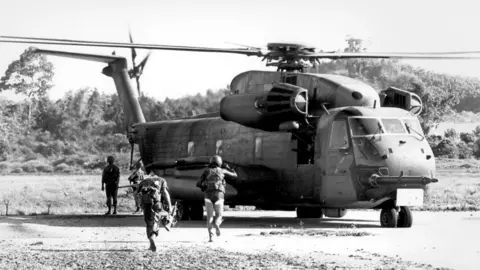
These operations demand rapid execution as they are time-sensitive; adversaries often also lack coordination as they work to locate the same personnel the CSAR teams are attempting to recover. Modern CSAR missions are frequently carried out using helicopters, supported by refueling aircraft and additional military units prepared for strikes in the area.
Recently, verified footage from Iran showed US military helicopters and at least one refueling aircraft operating in Iran’s Khuzestan province, indicating the active involvement of US forces on the ground.
A Legacy of CSAR Missions
The history of airborne rescue missions dates back to World War I, witness impromptu efforts by pilots who went beyond the call of duty to save their compatriots. The US military's Pararescue teams originated from a 1943 mission where combat surgeons parachuted into then-Burma to aid wounded soldiers.
The first helicopter rescue was conducted a year later, marking the beginning of helicopter use in combat scenarios. Following World War II, formal search and rescue units formed, and during the Vietnam War, the complexity of CSAR missions expanded significantly, refining tactics that are still employed today.
The US Air Force's Pararescue Teams
The US Air Force holds the leading role in CSAR missions. Known as Pararescuemen, these specialists belong to the military's broader special-operations community, with the motto These Things We Do, That Others May Live. Their extensive training incorporates combat skills, paramedics’ training, and rigorous physical selection processes with a high washout rate.
Each mission is led by Combat Rescue Officers, who are responsible for strategic planning and execution of the recovery operation. Throughout the conflicts in Iraq and Afghanistan, Pararescue teams completed thousands of missions, underscoring their vital role in the success of military operations, although missions to recover downed pilots have been relatively uncommon in recent years.
This legacy of commitment to recovering US personnel continues to thrive as exemplified by recent operations amid ongoing tensions.