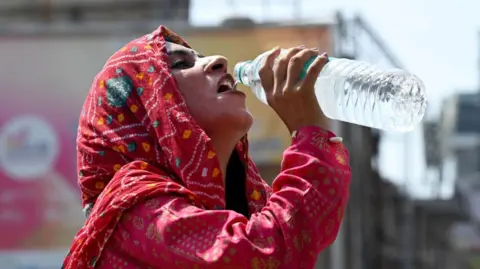
Indians are bracing for summer, with temperatures expected to cross 45C in some parts of the country. But the war with Iran is already putting India's $6bn bottled water industry under strain as manufacturers struggle to access crucial raw materials.
Last month, market leader Bisleri increased prices by 11%, making a box of 12 one-litre bottles costlier by 24 rupees ($0.26; £0.20). Brands like Bailley and Clear Premium Water have also increased their prices, as reported by Reuters.
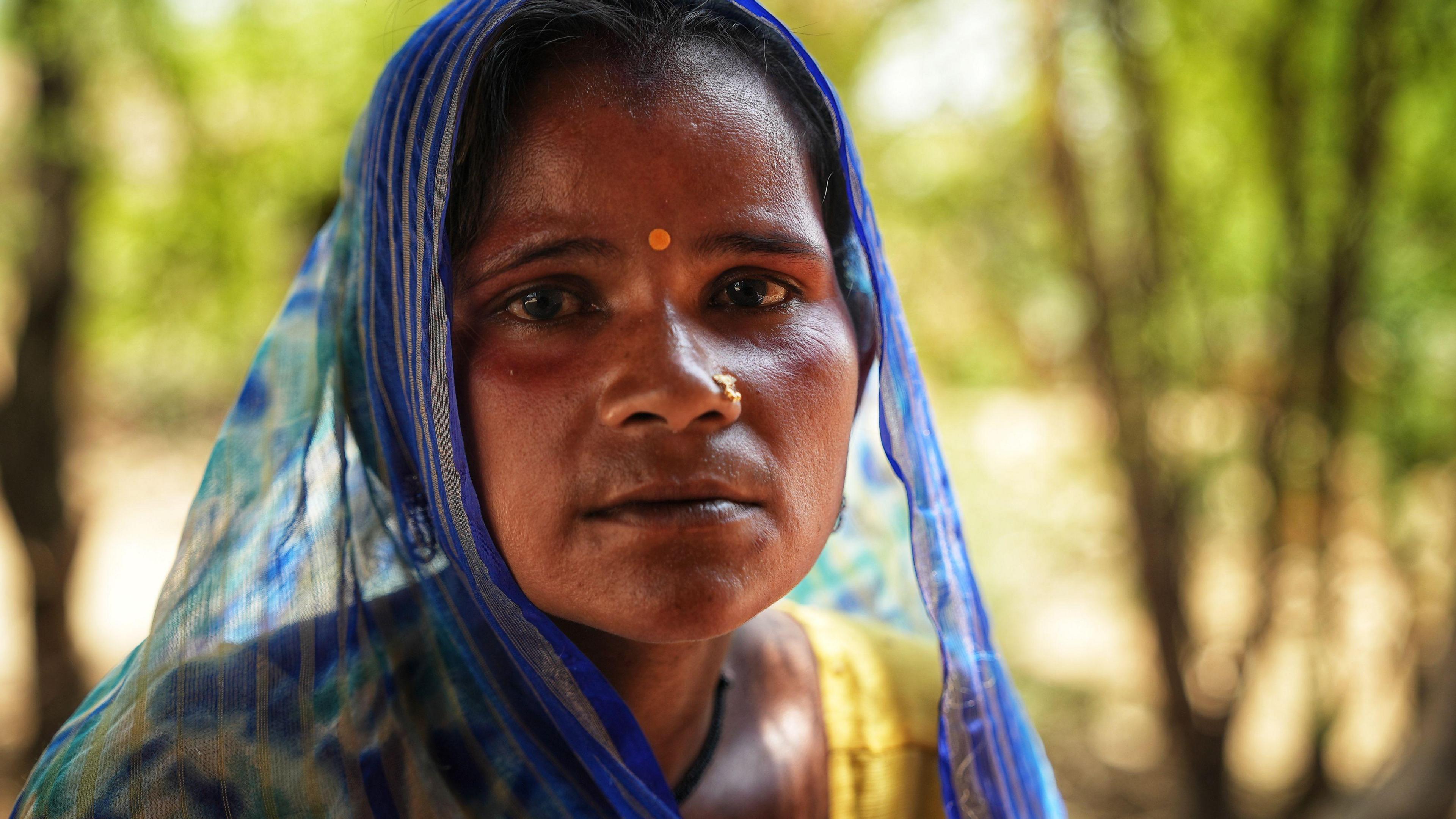
According to a study by Data for India, about 15% of urban households and 6% of rural households depend on bottled water for their drinking needs. Relying on bottled water is expensive, especially for people in rural areas as access to clean water remains a challenge due to shortages, contamination, and infrastructure gaps.
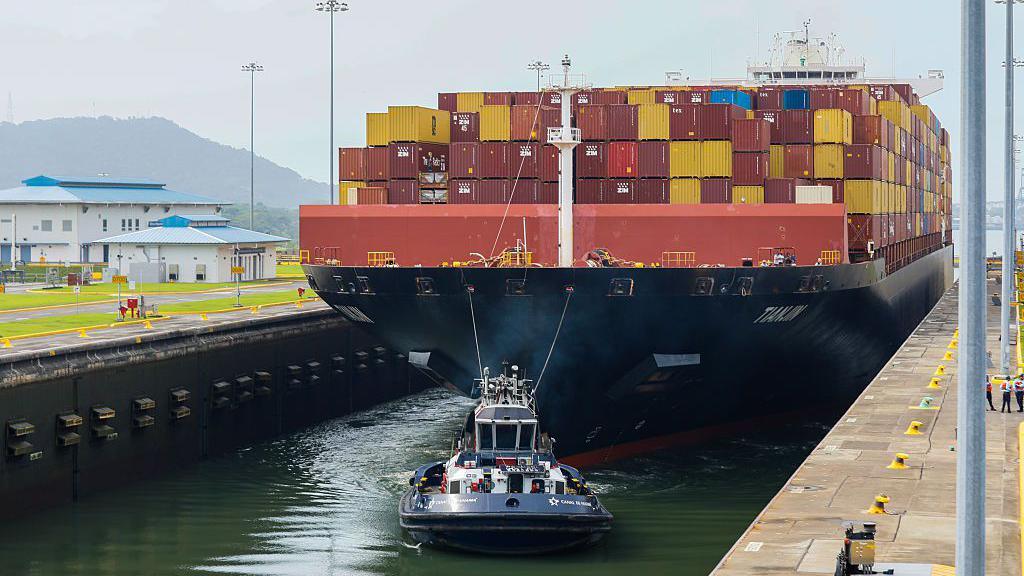
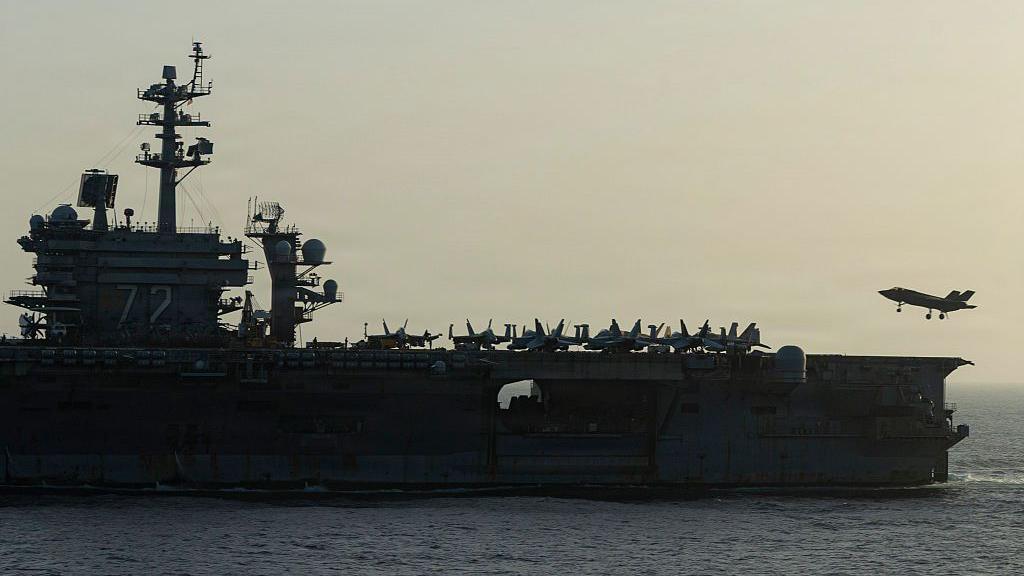
Brands and bottle manufacturers warn that a prolonged war will risk making a crucial commodity prohibitively expensive for many Indians. About 20% of the world's oil and liquefied natural gas usually passes through the narrow Strait of Hormuz, which is now almost completely blocked by Iran. The disruption in global shipping has sent fuel prices soaring.
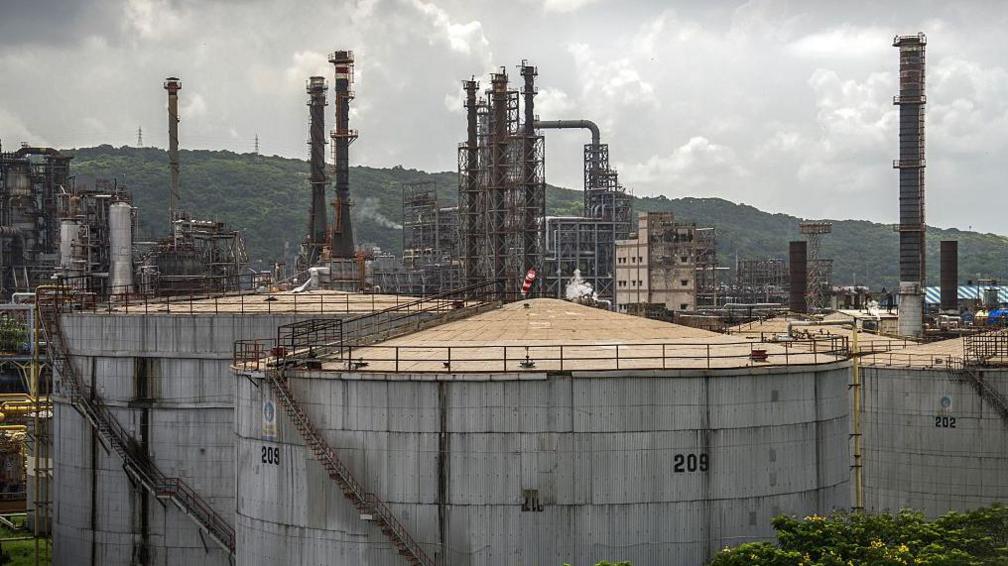
India, which relies heavily on oil and gas imports to meet domestic demand, is feeling the pressure. Vijaysinh Dubbal, president of the Maharashtra Bottled Water Manufacturers Association, explains that the surging costs of crude oil are driving up bottled water prices. The price of a barrel of Brent crude oil briefly hit $119 (£90) earlier this week, proximate to its highest since the ongoing conflict began.
Crude oil is essential for producing Polyethylene Terephthalate (PET) resin pellets, which are necessary for making plastic bottles. Dubbal noted a significant rise in the cost of preforms, indicating the struggle of many bottle manufacturers operating in Maharashtra.
While some companies have raised prices, others have absorbed these costs to protect consumers. However, this practice is not sustainable long-term. If the situation deteriorates, consumers will likely face a price increase for bottled water, which is particularly concerning as demand surges during the peak summer months.
Furthermore, the Brewers Association of India has warned that glass bottle prices have surged by around 20%, leading to calls for a price increase in beer as glass manufacturers also feel the impact of rising production costs due to the war.
The CEO of Vitrum Glass highlights the fluctuating supply of natural gas as another industry concern, particularly because the government has prioritized natural gas supply for domestic use amid the conflict.
As the story unfolds, many are left wondering how these rising costs will affect everyday consumers in India and whether the industry can adapt to these geopolitical challenges.