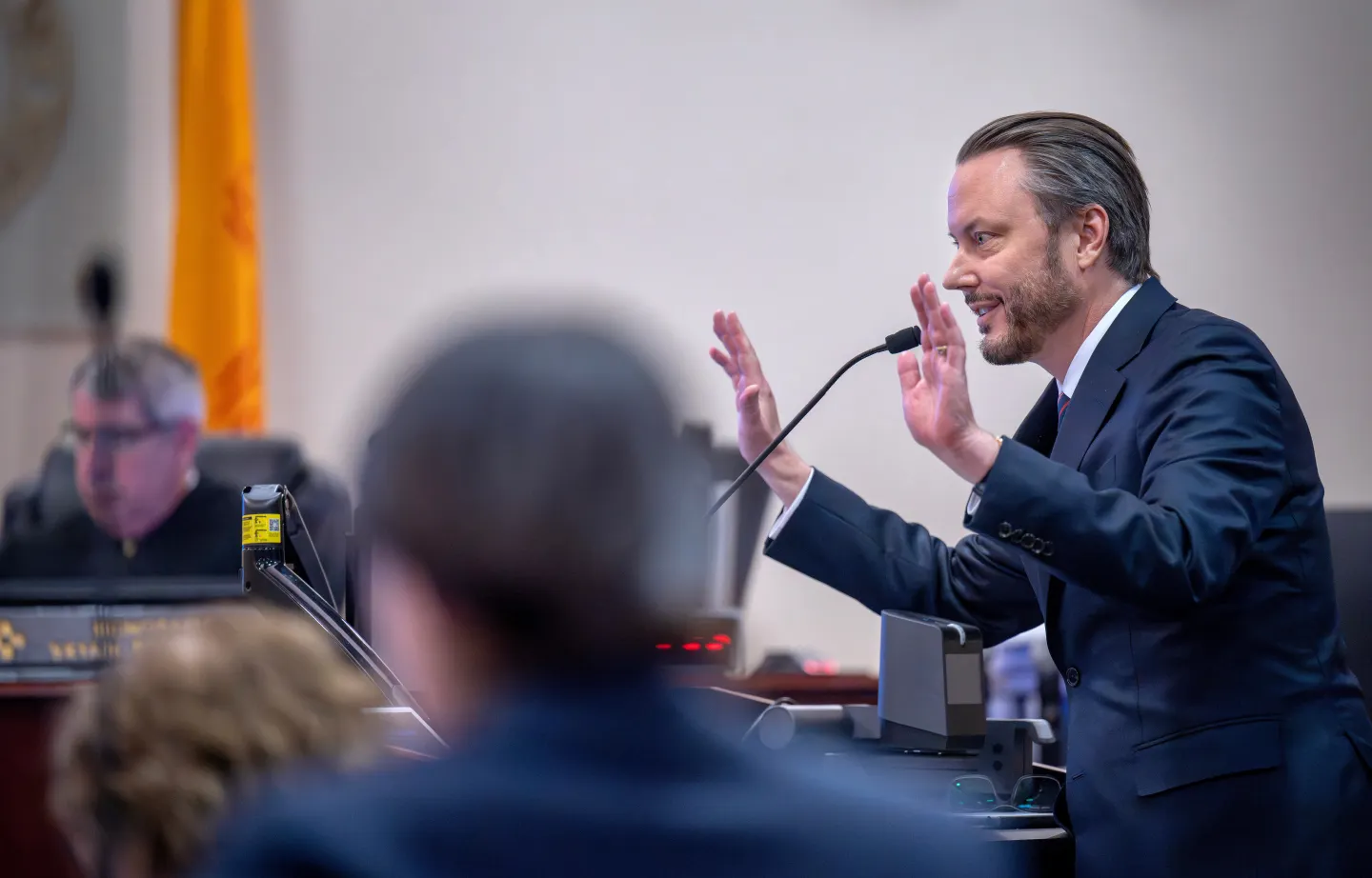
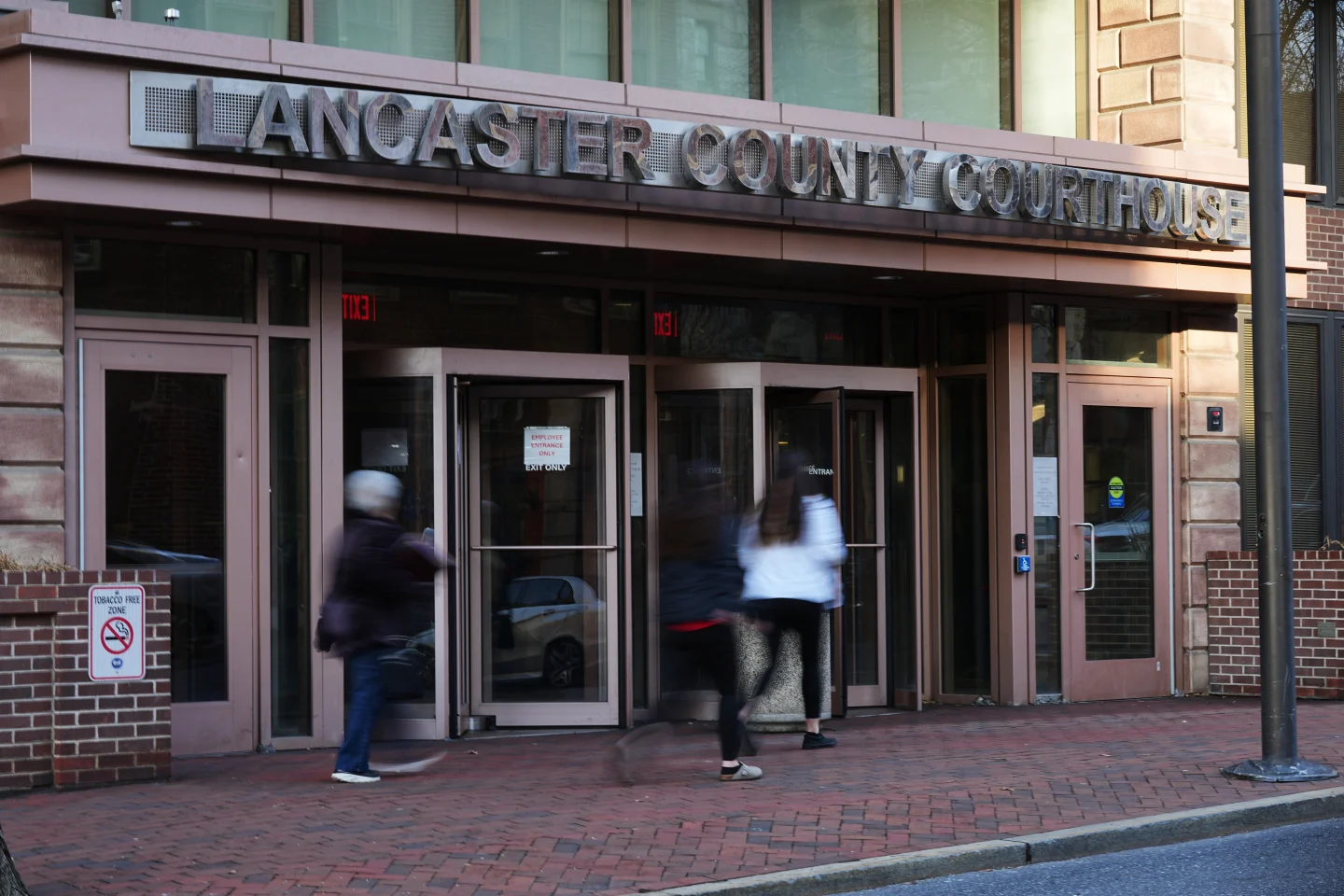
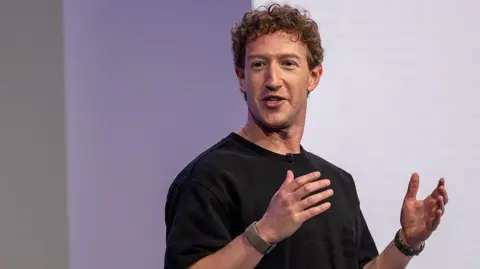
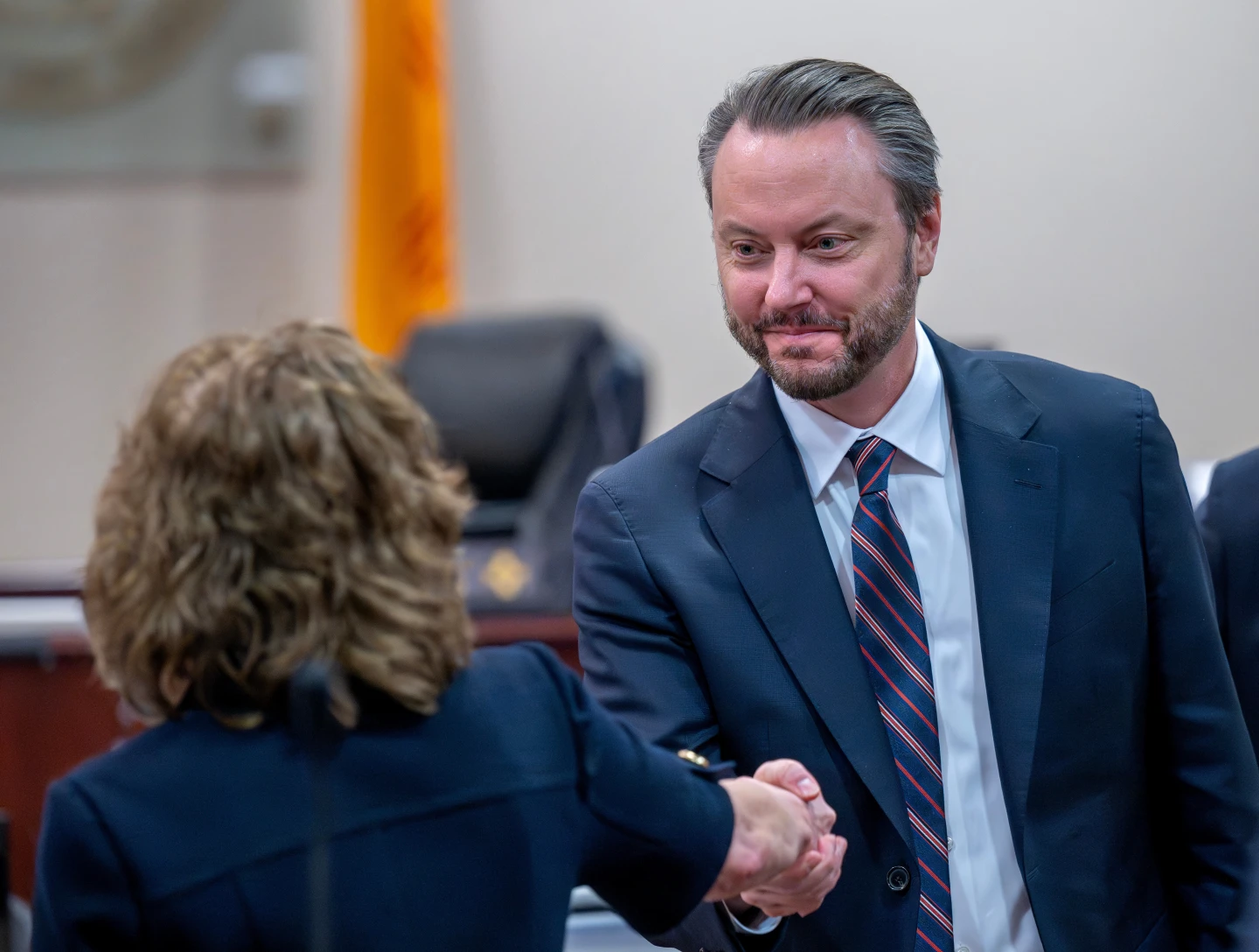
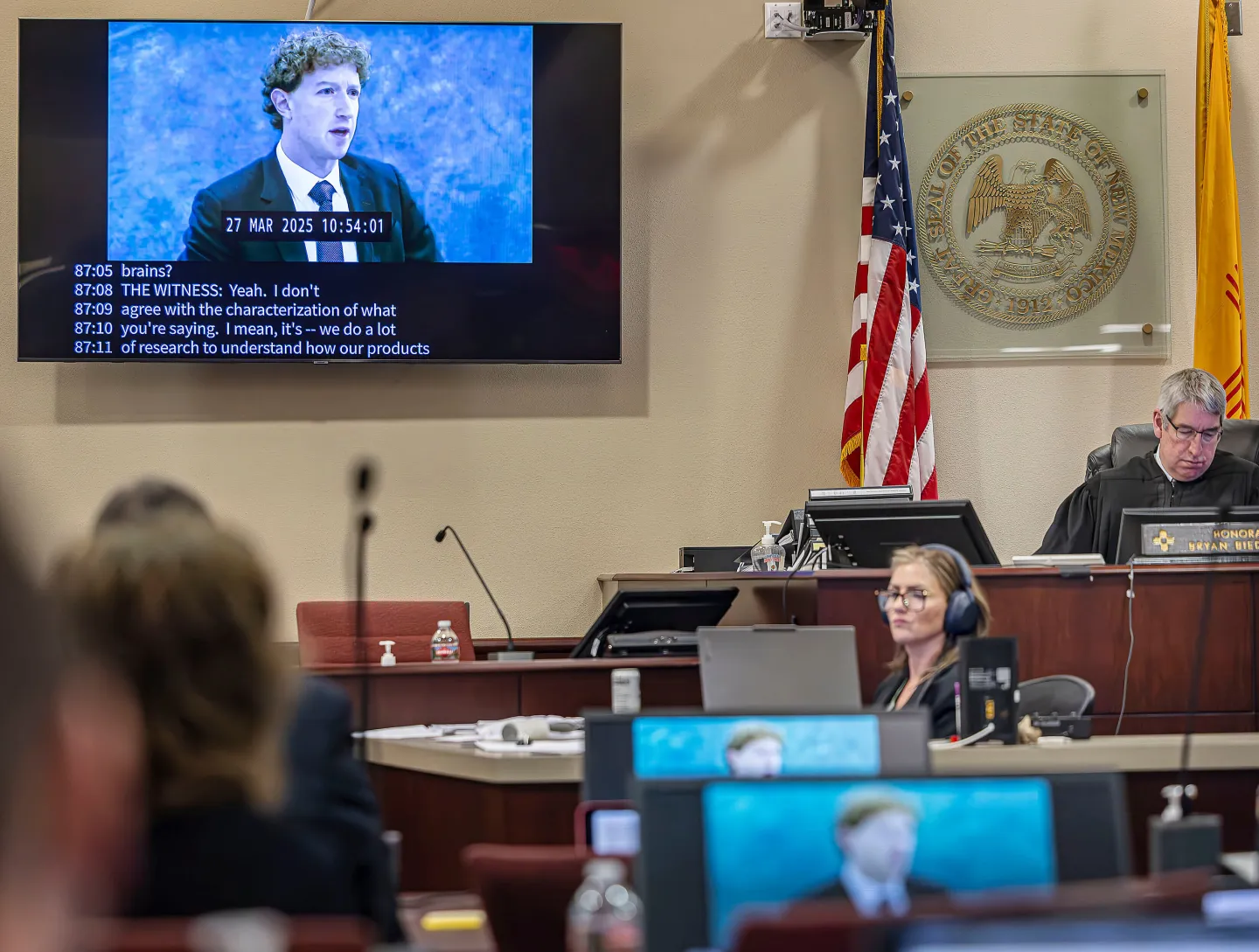
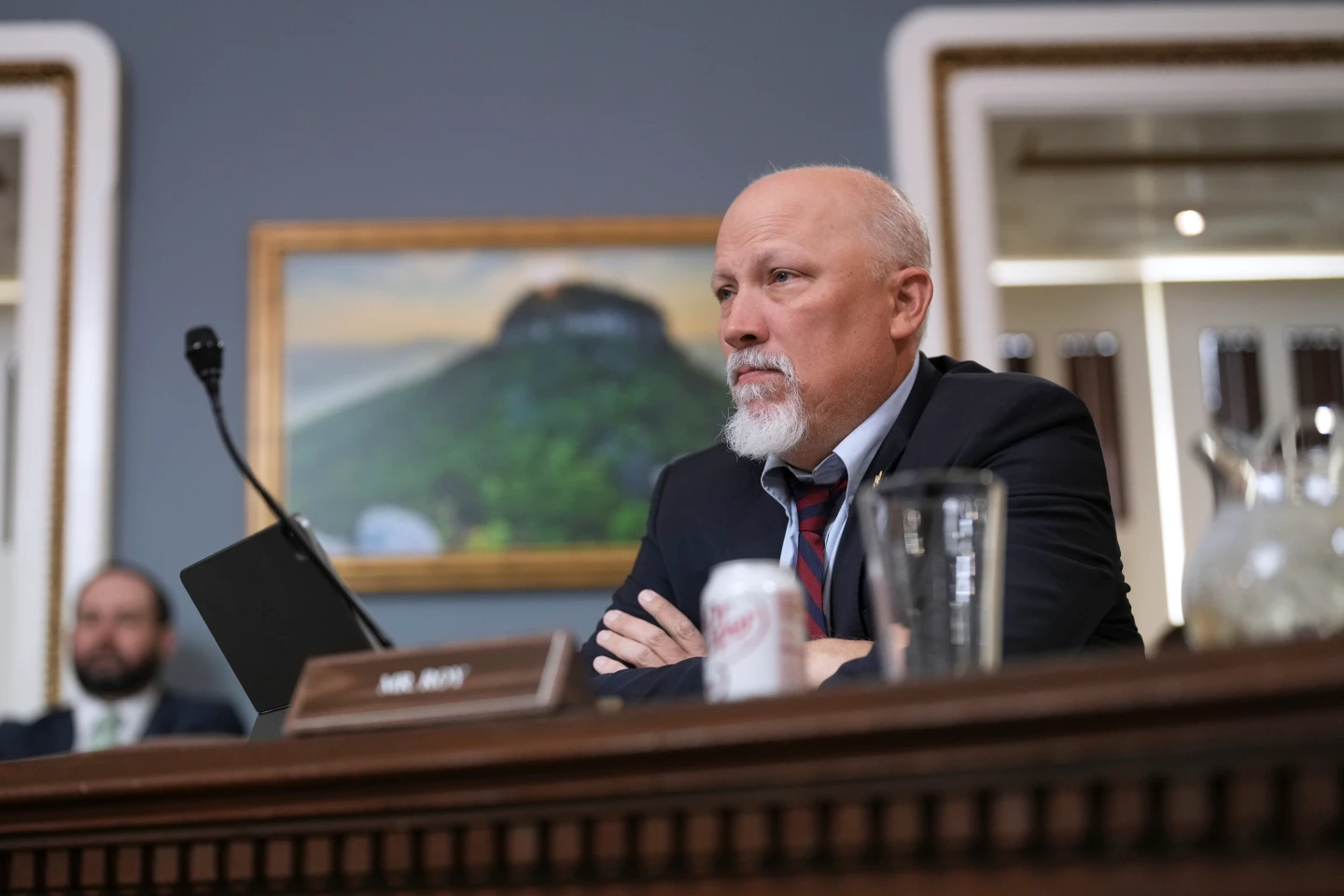
In a historic shift in the legal landscape surrounding social media, juries in both Los Angeles and New Mexico have ruled against tech giants Meta and YouTube, holding them liable for significant harms inflicted on minors using their platforms. These verdicts mark a pivotal moment for parents, mental health advocates, and public discourse surrounding the impacts of social media on youth.
The decision in Los Angeles earlier this week established that Meta and YouTube's operations knowingly contribute to detrimental outcomes for young users, while the New Mexico jury concluded that Meta had concealed knowledge regarding child exploitation issues on its platforms. These rulings are celebrated by watchdog groups as potential catalysts for more stringent regulations and greater accountability.
For years, stakeholders including educators, pediatricians, and families have raised concerns about the links between social media usage and worsening mental health conditions among teenagers, encompassing anxiety, depression, and even suicidal tendencies.
Advocacy groups praised the jury decisions as a reaction to years of corporate oversight. Sacha Haworth, executive director of The Tech Oversight Project, declared, The era of Big Tech invincibility is over, calling the verdicts a validation of long-held beliefs regarding the hazards posed by these platforms.
Although the long-term effects of these verdicts remain to be seen, they signal a changing perception of technology companies and could usher in an era of increased litigation and regulatory scrutiny. Before this pivotal moment, tech companies often downplayed the psychological risks associated with their platforms, claiming they are mere byproducts of broader societal issues.
As society grapples with these complex challenges, the implications from these cases extend beyond immediate penalties. They introduce vital discussions about the ethical responsibilities of social media companies and their design choices, which may inadvertently contribute to addictive behaviors, particularly among younger users.
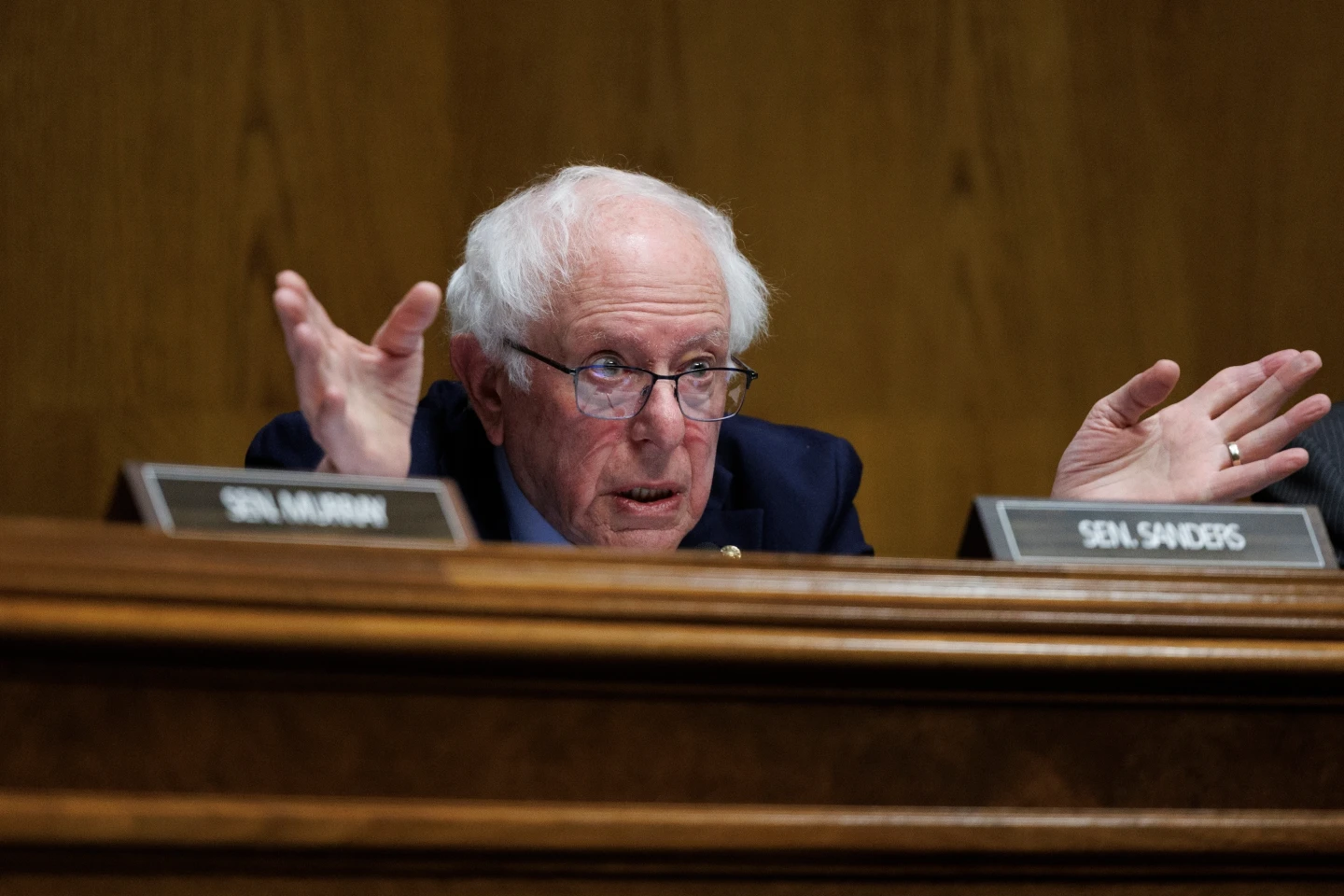
Experts suggest that true change may require regulatory intervention beyond courtroom verdicts, with Arturo Béjar, a former Meta engineer, emphasizing the need for government agencies to play a proactive role in driving industry reforms. One thing that is clear from working inside the company is that meaningful change often follows regulatory requirements, he noted.
Notably, these legal challenges also circumvent the protections of Section 230, which historically shielded social media platforms from liability in user-generated content cases. This legal approach focuses on the deliberate design decisions made by these companies that facilitate addictive usage patterns.
The implications of these rulings may reshape how social media firms operate, pushing them to reconsider their business models that prioritize engagement at all costs. Furthermore, recent data from the Pew Research Center highlights a growing unease among the youth, with nearly half of surveyed teens acknowledging social media's harmful impact on their generation.
While the outcomes of these legal battles are bound to evolve over time through appeals and potential settlements, they reflect a significant public awakening. This sentiment questions the longstanding norms around social media's role in society, opening pathways for discussions about future innovations like AI in the digital landscape.