Heartbreak and Resilience: Families Grieve After Southern Spain Rail Disaster
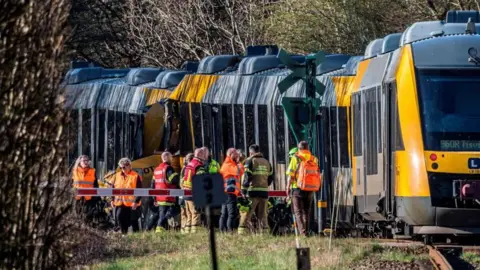
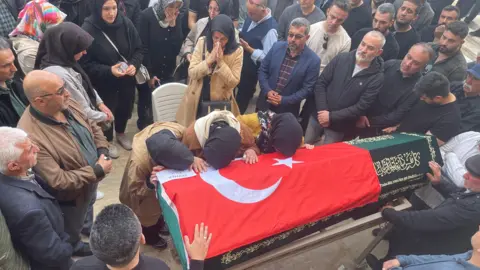
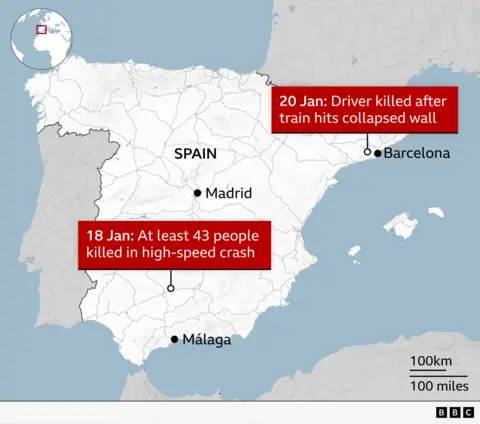
A harrowing scene unfolded near Córdoba, Spain, where a tragic collision between two high-speed trains claimed the lives of at least 43 individuals. As news of the disaster spread, families were plunged into mourning, desperately seeking answers about their loved ones caught in the calamity.
The attack on the sense of security provided by modern transport was stark. Eduardo Morán, a doctor at the Reina Sofía Hospital in Córdoba, expressed the shock of being part of the emergency response to such a catastrophic incident. Alongside his wife, who is also a medical professional, he prepared for a surge in casualties and treated those whose traumas ranged widely in severity.
The flood of injured patients, some suffering from grave wounds, was a first in Morán's 20-year career, highlighting the extent of the tragedy. We were expecting more; unfortunately, there were many who did not survive, he remarked somberly.
The aftermath has left families grappling with uncertainty and deep sorrow. Among the deceased was María del Carmen Abril, who was returning from a surprise birthday party, illustrating the fragility of life in the blink of an eye. Other families, like that of Victor Luis Terán, are similarly haunted by sudden loss and unanswered questions.
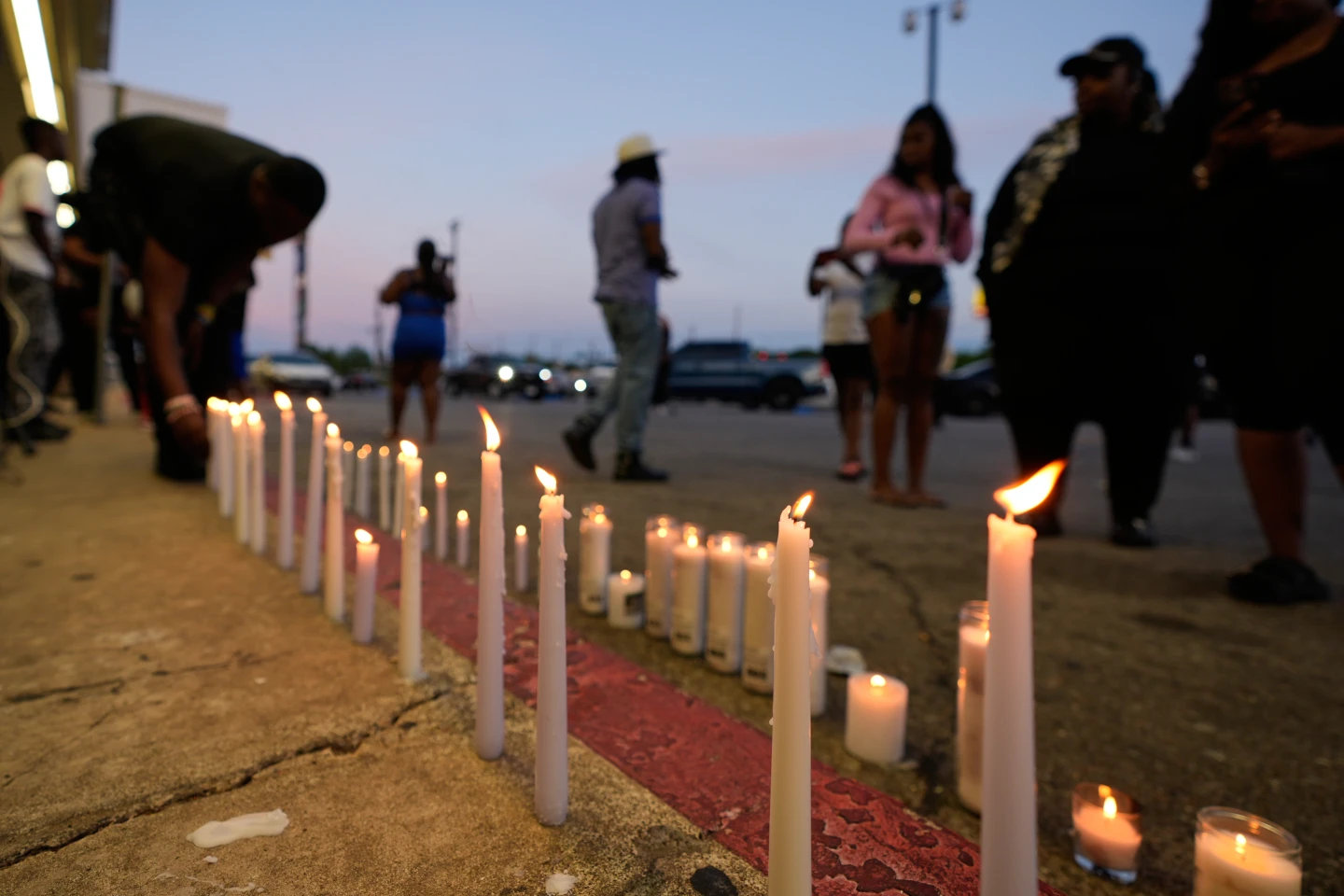
As investigations continue around a suspected fault in the rail track that might have led to the derailment, community members gather to share their grief and support one another through this trying time. The call for answers rings out, underscoring the need for closure and accountability in the wake of one of Spain's deadliest rail disasters in over a decade.
While the tragedy has sparked fears about the safety of rail transport in Spain—aggravated by a secondary incident involving another train in Barcelona—the resilience of the community shines through as they come together to honor those lost and navigate the difficult path ahead.