In brief
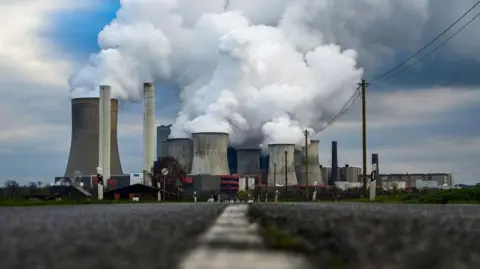
Germany, the largest user of coal in Europe, has pledged to shut all coal plants by 2038, but high global gas prices and supply uncertainty have prompted a debate over a short‑term coal revival. Current coal accounts for a fifth of German electricity, while renewables already supply 59% of the mix. Parliament is studying proposals to keep some hard‑coal plants online as strategic reserves, amid pressure from industry and political factions. The government must decide this year whether to keep the 2030 lignite deadline or allow limited coal use. A forthcoming review in August may shift the pace of the coal phase‑out.
Germany’s long‑term plan to shut all coal power plants by 2038 is being challenged by a sharp rise in global natural gas prices and the country’s dependence on imported gas.
Coal now supplies about 20 % of German electricity and renewables already deliver 59 % of output. The government is debating whether to keep a handful of hard‑coal plants online as a safety net while the nation pivots toward wind and solar.
The country owns large lignite reserves, which are cheap and plentiful, making coal an attractive alternative when gas costs climb. However, Germany has shut its nuclear plants in 2023, leaving it with fewer low‑emission options.
Industry groups demand reliable, affordable power. A coalition of SPD and CDU parties is split on easing the coal phase‑out: the SPD warns it would lock in new fossil emissions, while the CDU stresses economic security.
A parliamentary committee, formed in March, is reviewing proposals to keep six hard‑coal plants running permanently. If approved, these plants could supply electricity to millions of homes during peak demand. The outcome will be decided this year, with a detailed review scheduled for August.
The debate highlights the tension between Germany’s energy transition goals and the practicalities of supply security and price stability in a volatile global market.